15 October
Two First-Place Prizes for Carmen Dilara Bağış in Minerbio 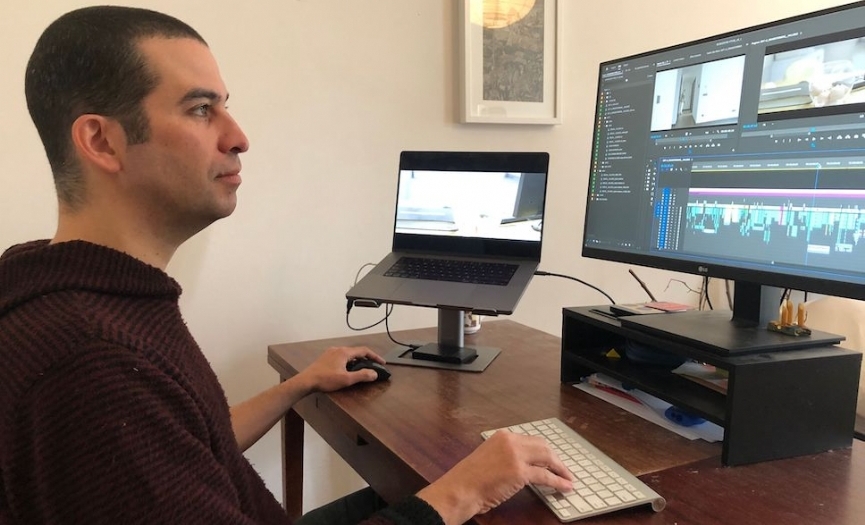
By Bessy ADUT
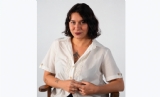
Eytan Ipeker is an award-winning editor, director, and experimental filmmaker based in Berlin. As an editor, his work has been shown at Cannes, Berlinale, Rotterdam, Sarajevo, DOK Leipzig, and Visions du Réel. He has received numerous awards, including the European Film Award for his work on Emin Alper's "Burning Days". More recently, he edited documentaries such as “Hold Still”, “Otherwise in Istanbul”, and “March 8 with Stella”, which earned him Best Editing awards for three consecutive years at Documentarist Film Festival. He was also a producer on “Albüm” by Mehmet Can Mertoğlu. The film premiered at Cannes Critics’ Week, where it won the France 4 Visionary Award, followed by the Best Feature Award at Sarajevo Film Festival and Best First Feature at Jerusalem Film Festival. As a director, his feature-length documentary “The Pageant” was screened at festivals such as Visions du Réel, Sarajevo, Jerusalem, and Odessa.
You were born in Istanbul and spent part of your childhood in Tel Aviv before returning to Turkey. How did growing up between these different places and cultures shape the way you see identity, belonging, and storytelling today?
Istanbul, the city I grew up in, is very dear to me. The Turkish culture and my Sephardic heritage shaped me deeply. At the same time, I would say that I don’t have strong geographical roots: I spent my childhood in Israel, studied in New York, and I’ve been living in Berlin for the last 8 years. I’m an introvert, so I’m basically happy as long as I have a space to dream.
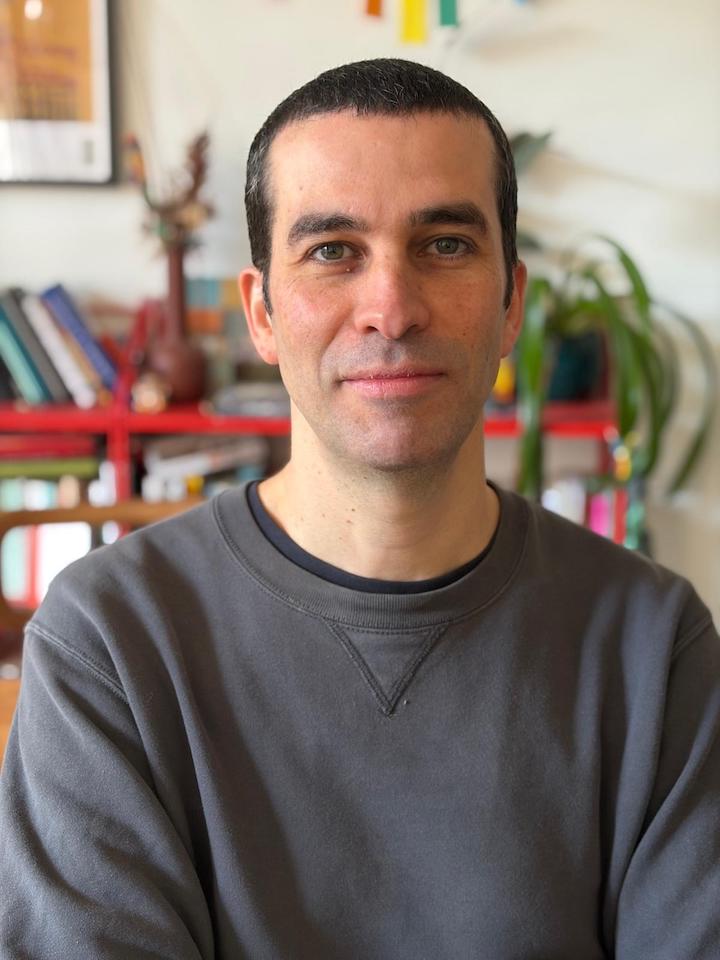
You have worked as an editor, director, producer, and experimental filmmaker. What initially drew you to cinema, and when did you realize that filmmaking was not simply a profession for you, but a way of understanding the world around you?
My love for filmmaking started very early, in my high school years. This was a time when seeing films in theaters mattered. Istanbul Film Festival was showing retrospectives of directors such as Fellini or Buñuel, which was extremely inspiring and mind-opening. In regard to the second part of your question, I think the answer is documentary filmmaking. In fiction films, the process can be restrictive: You’re expected to know where you’re going, you have to have a script that guides you. Later on, if it’s a big set (or a small set with a limited budget), it’s really difficult to keep on exploring things. I find documentary filmmaking to be much more liberating in that respect.
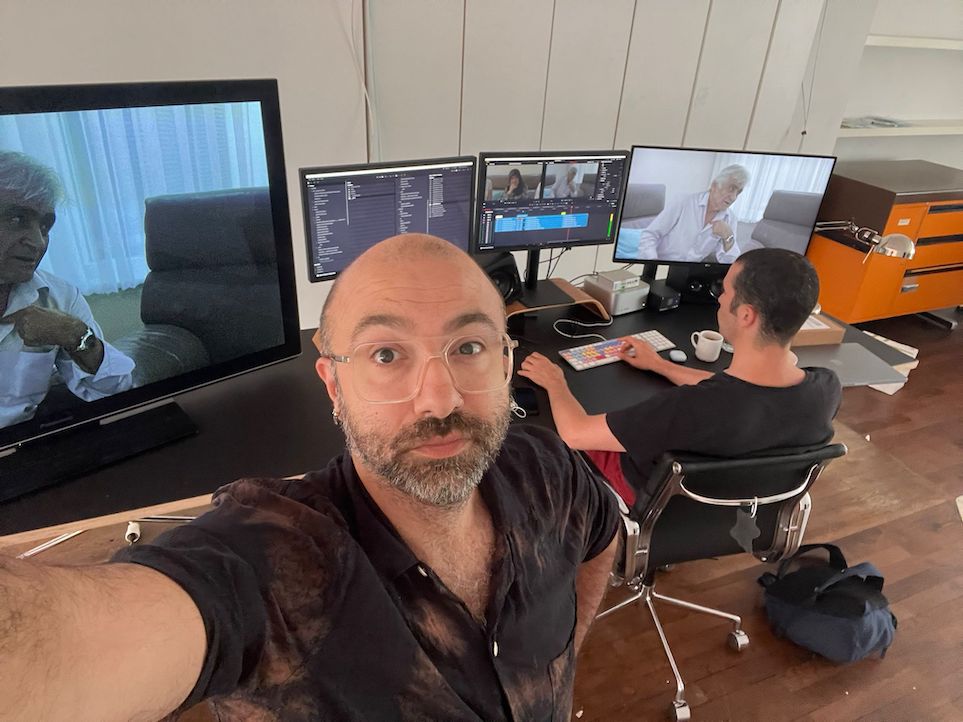
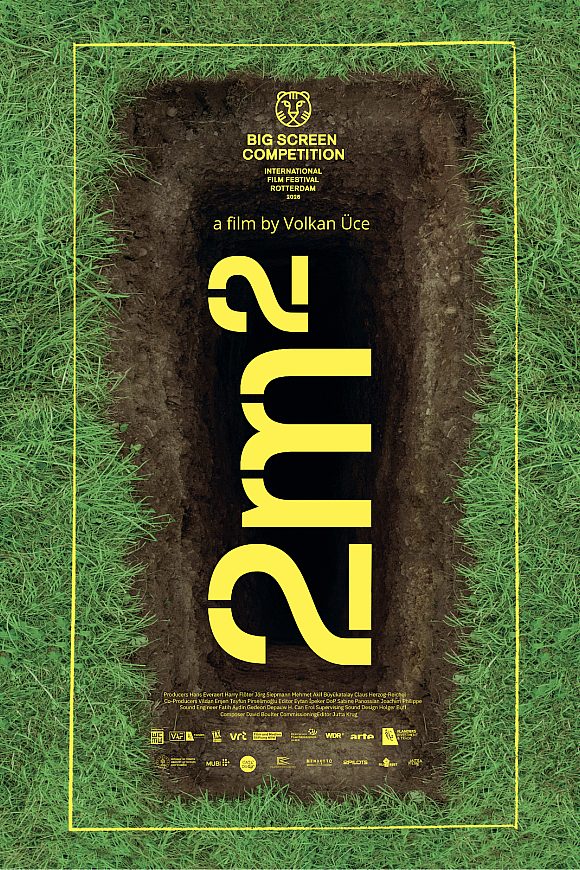
2m² - Editing with director Volkan Üce (2025)
Editing is often described as an invisible art because the best editing can feel completely natural to the audience. What do you look for when you are shaping a film in the editing room, and how does your approach change when you are editing your own work compared with someone else's film?
One of the first films that made me become a filmmaker was Kubrick’s “A Clockwork Orange.” The editing in that film is hard to ignore. So I don’t think editing is an invisible art. At least, not by its nature. There are different approaches, different styles. When I edit, I feel like an intimate companion to the director. I want to spend time together, to be in the same room and to synchronize to the same wavelength. The collaborative aspect is extremely important to me. I find it extremely challenging to edit my own films because, as a director, I tend to be very self-deprecating. Unfortunately, there’s usually no budget to hire an editor, so I end up doing it myself. It’s a different process for experimental filmmaking, where editing is indistinguishable from directing, and there it becomes pure joy.
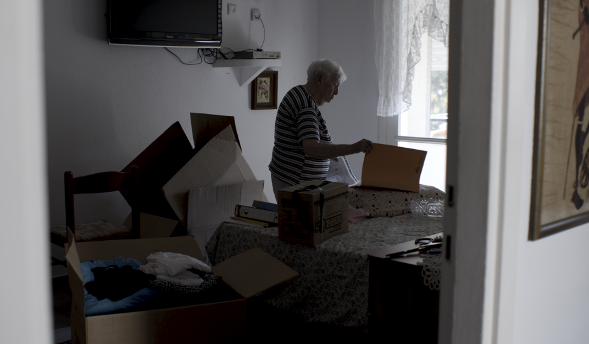
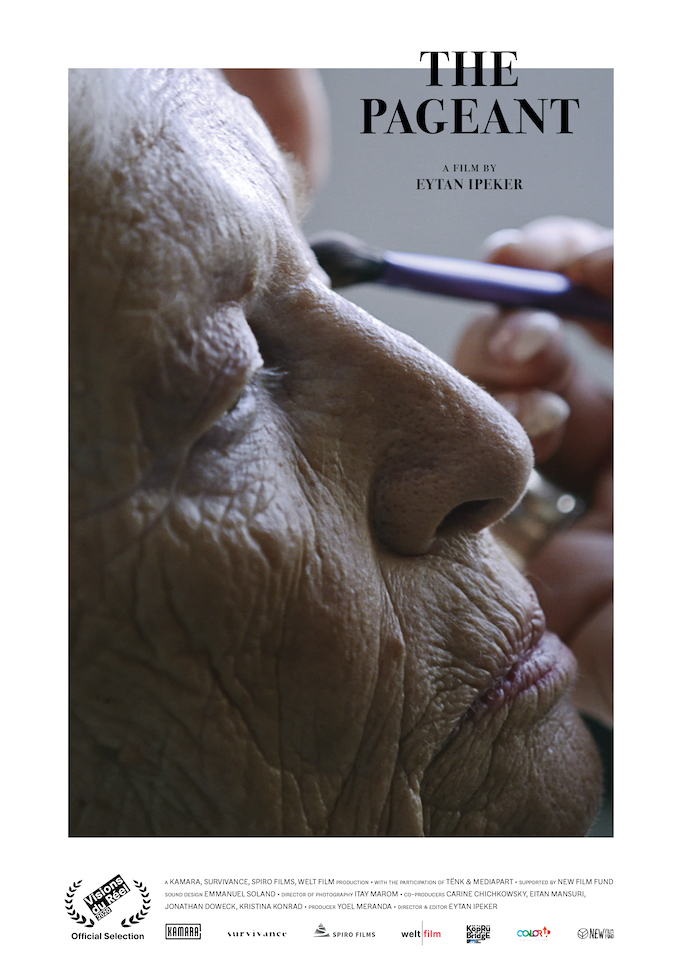
Your documentary The Pageant explores Holocaust survivors participating in a beauty pageant in Israel. The film touches on memory, aging, trauma, dignity, and the ways history becomes part of personal identity. What first drew you to this story, and what did making the film teach you personally about memory and survival?
I saw an article about this competition in the Israeli newspaper Haaretz and was immediately struck by the contrast between the traumatized survivors and the outdated spectacle of a beauty pageant. Once I found out that the event is financially supported by Christian Zionists, everything fell into place. I thought it was an amazing portrait of how the traumas of the past are instrumentalized and recontextualized in the present. The implications of comparing the traumas of the contestants and the notion of “inner beauty” as defined by the organizers. But did I have the right to pass judgment on the survivors who wanted to be in the spotlight? What were their motivations? The same goes for the organizers. So I decided to make the film in order to be out of my comfort zone and explore my mixed emotions. My aim was to make a meditative experience for the viewers on these themes. One of the questions that I didn’t foresee was about my own role: How could one document a spectacle like this, in a meditative and subtle way, without becoming part of the spectacle?
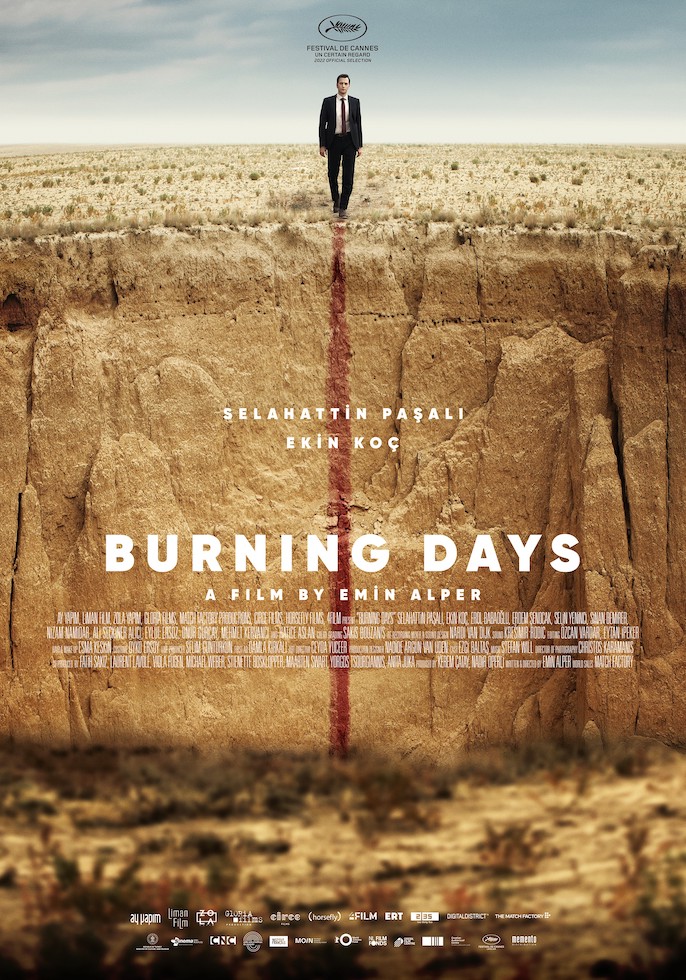
You edited Emin Alper's Burning Days, which received tremendous international recognition and earned you and Özcan Vardar the European Film Award for Best Editing. What was the most challenging aspect of constructing that film, and what did that experience teach you about the relationship between editing and directing?
In Emin’s previous film, “A Tale of Three Sisters,” there is a really long scene where characters get drunk, and lots of unexpected emotions and tensions come out. I’ve always admired that scene, which is edited by the great Çiçek Kahraman. When I had to edit a similar scene for “Burning Days,” I knew that I had to do justice to it. At the time, I was editing a lot of documentaries, so it was a bit difficult to make the switch to the fiction-film-editing mindset. Documentary editing is very free and open-ended. In the case of a film like “Burning Days,” I needed to deal with the rules of continuity and shaping pre-scripted scenes. The creative work is similar to that of an interpreter in classical music. But I managed to adapt, and the whole process went really smoothly. It also helped that Emin is a very humble and relaxed filmmaker.
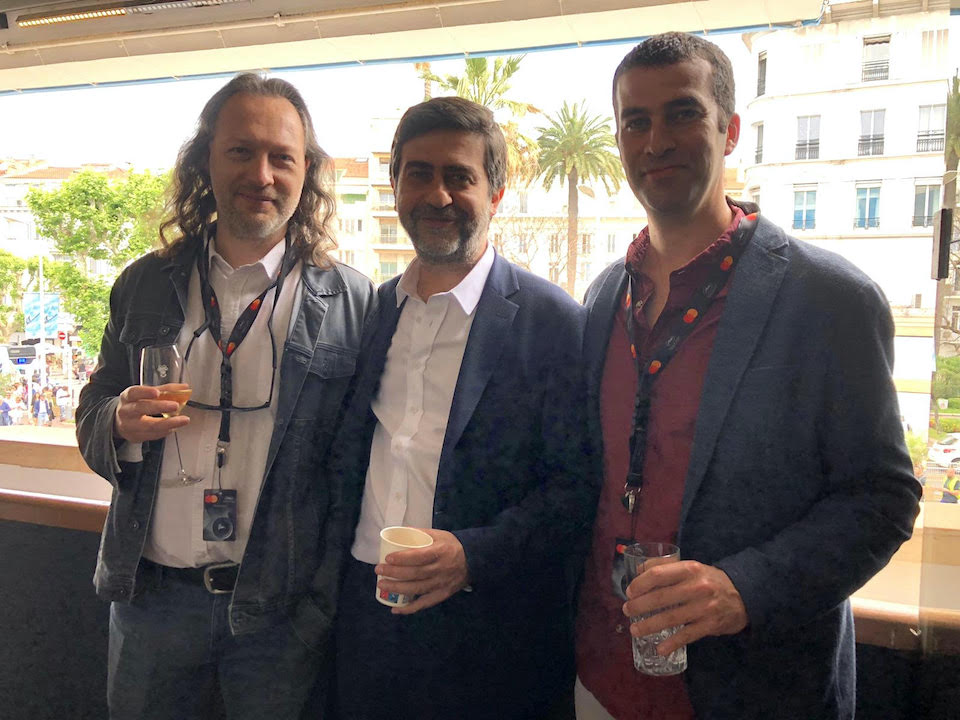
Burning Days - Özcan Vardar, Emin Alper, Eytan Ipeker (CANNES 2022)
Many of the projects you have worked on deal, directly or indirectly, with memory, history, politics, identity, and people whose stories might otherwise remain unseen. Is there a particular kind of story that you feel personally compelled to tell, and why?
I don’t have a preference in terms of stories, but I prefer working on personal projects. It inspires me to see that the director feels compelled to make that particular film, that it’s a passion project. It’s very important for me to feel connected with the vision of the director, even if I come from a different angle.
In your Berlinale Talents profile, you wrote, “In a world where communication and honesty is so rare, filmmaking is my only way to breathe.” That is a very personal statement. Has your understanding of that sentence changed as you have grown as a filmmaker, and what does filmmaking mean to you today?
That’s a very old quote, and hopefully I have found other ways to “breathe” by now. But I will stand by the essence of it. Filmmaking is a way to communicate your deepest thoughts and emotions. It’s invaluable to me. At the same time, my focus has shifted a bit as I’ve become an editor. Nowadays, I’m also interested in the journey and enjoying the collaborative process.
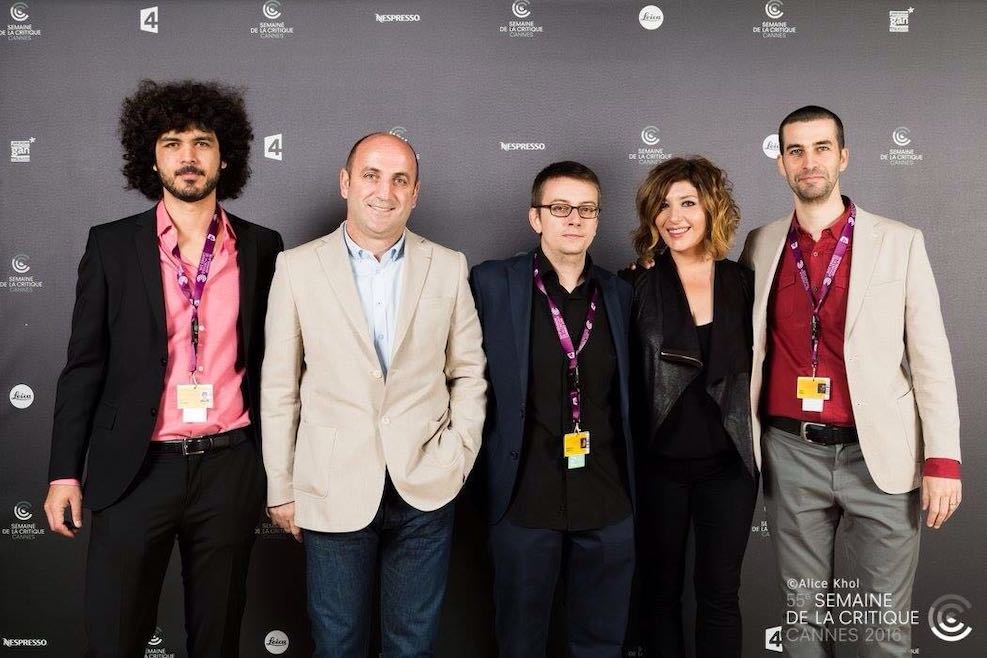
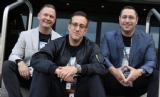
Yoel Meranda, Murat Kılıç, Mehmet Can Mertoglu, Şebnem Bozoklu, Eytan Ipeker (CANNES 2016)
Looking back at your journey from Istanbul to studying filmmaking in the United States, working internationally, and becoming an award-winning editor and director, what are you most proud of, and what is the story you still feel you have not yet told?
During my career, there were many wrong turns along the way, but for the most part, I’ve managed to work with people and projects that inspire me. Producing “The Album” by Mehmet Can Mertoğlu was a huge privilege. I’m happy that when I look back, I can remember a lot of passionate debates with my directors. I cherish all these artistic encounters. As for the future, I would like to make a film that relates directly to the Turkish Jewish community in the future. The problem is that they are already in a very vulnerable position due to antisemitism and political tensions within the country, so it has to be done very delicately. Hopefully I will solve that puzzle someday.