12 October
Sephardic Music on Turkish Airlines Flights 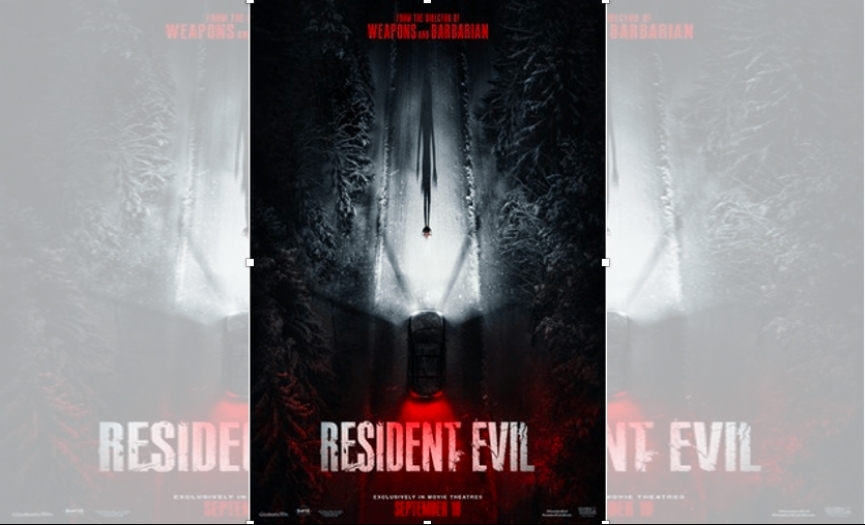
By Bessy ADUT
One Level at a Time
When medical courier Bryan Hodukavich (Austin Abrams) accepts a last-minute delivery to a hospital in Raccoon City, he has little idea of the nightmare awaiting him. An outbreak has transformed the city into a landscape of grotesque mutations, and Bryan soon finds himself fighting for survival while attempting to deliver a package that may hold the key to developing a cure. With the sinister Umbrella Corporation at the center of the catastrophe, his journey becomes a race against time in a world where the line between human and monster is rapidly disappearing.
I approached Zach Cregger's Resident Evil with more than a film critic's curiosity. I am also a longtime fan of the franchise who remembers playing the games during my college years, staying up all night and jumping in my seat at every unexpected scare. Those were the nights when a game could completely absorb you, making you forget the time and feel as though danger was lurking just around the next corner. That experience stays with you, and it inevitably shapes the expectations you bring to an adaptation.
As a popcorn horror movie, Cregger's film delivers plenty of entertainment. It knows how to keep its audience on edge, placing its protagonist in one difficult situation after another and making each obstacle more dangerous than the last. The escalating stakes give the narrative momentum, and there is always another threat waiting around the corner.
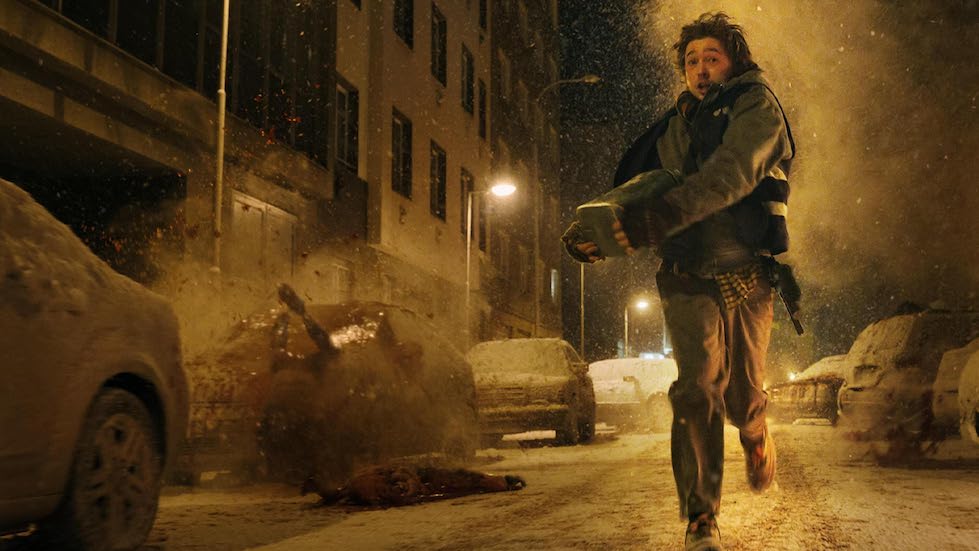
The film works particularly well when viewed through the lens of a video game adaptation. Each new obstacle feels like another level to overcome, with danger increasing as the protagonist progresses. The film captures the rhythm of gameplay, turning survival into a succession of increasingly demanding tests. From a screenwriting perspective, this is an effective way to sustain suspense and keep an audience engaged.
However, I felt that the plotting was comparatively thin outside these survival horror set pieces. While the individual encounters provide suspense and momentum, the narrative connecting them feels less developed. The film is often more compelling in the moment of danger than in the larger story those moments are supposed to serve. Overcoming one level after another can keep an audience engaged, but it does not necessarily create a story with thematic depth or emotional resonance.
This is where my affection for the franchise meets my disappointment with the reboot. I enjoyed the ride, but I was not as satisfied as I had been with the earlier films. For me, a successful adaptation needs to do more than reproduce the sensation of playing a game. It should capture that excitement while offering something equally compelling through cinematic storytelling.
Where Are the Women Who Fight Back?
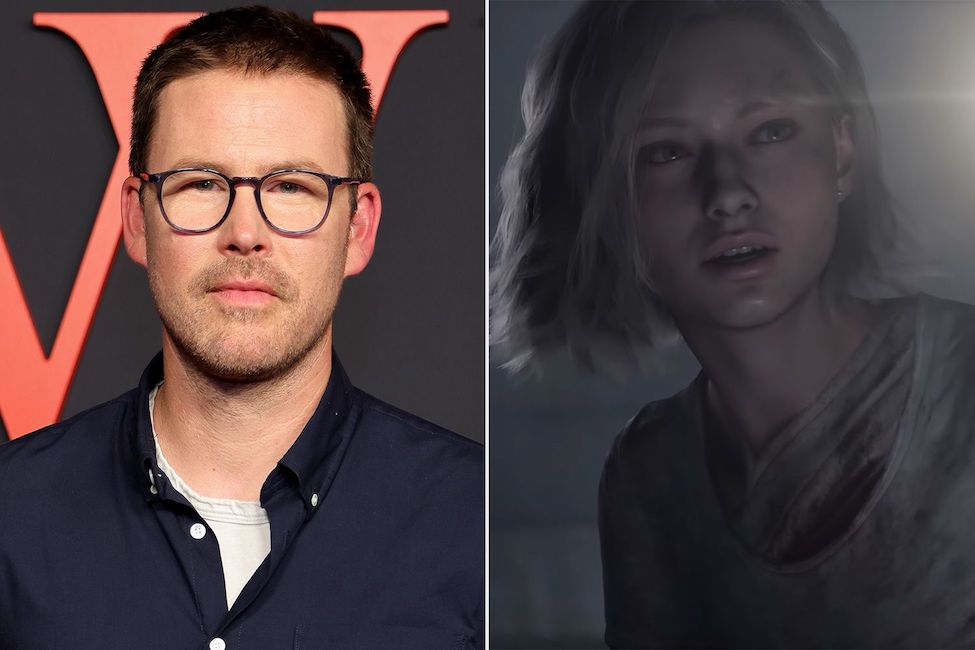
Personally, I much prefer the Resident Evil films starring Milla Jovovich. Her formidable action heroine gave the franchise an unmistakable identity. With her physicality, determination, and commanding screen presence, Jovovich embodied the kind of female protagonist I find particularly compelling: a woman who confronts danger directly rather than simply becoming someone to be rescued.
As a woman watching this reboot, I found myself missing that presence. There is something deeply satisfying about seeing a female character take control of her circumstances, make difficult decisions, and fight back against overwhelming forces. Jovovich brought an intensity to the franchise that made its heightened action fantasy entertaining while placing a powerful heroine at the center of the story.
Of course, not every horror film needs a female protagonist, and a male lead can certainly carry an effective survival story. Nevertheless, I missed the particular energy Jovovich brought to this world. Her character made survival feel like an active struggle against the forces responsible for the nightmare, rather than simply an attempt to endure the next attack.
I also missed the stronger presence of the Umbrella Corporation and the more expansive mythology of the earlier films. For me, those elements made the franchise more memorable and gave its action a greater sense of purpose.
The Real Monsters Behind the Corporate Mask
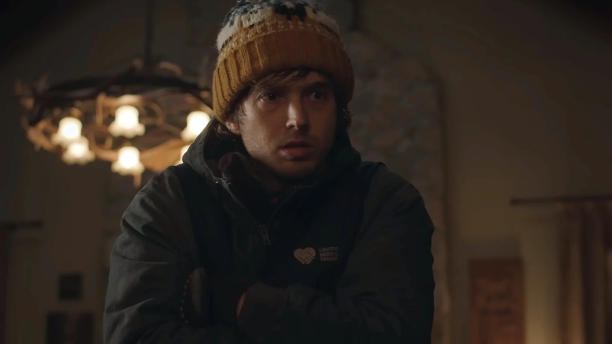
Beneath the familiar nightmare of scientific experimentation and biological catastrophe lies an opportunity to examine the destructive relationship between corporate power, profit, and human life. The Umbrella Corporation has always offered fertile ground for such a critique. When the pursuit of progress becomes inseparable from greed, the monsters are not necessarily the most frightening things in the room. The real horror lies in the human decisions that made their existence possible.
I found this metaphor comparatively superficial in the new film. Its premise offers considerable potential to explore how capitalism can encourage institutions to place profit and power above human welfare. Yet the story seems more interested in the immediate spectacle of the outbreak than in examining the system that allowed it to happen.
The result is a missed opportunity. A corporation capable of creating such devastation should be more than a convenient explanation for why the world has gone wrong. Its influence could give the film a deeper moral dimension, connecting its fictional catastrophe to recognizable questions about accountability, exploitation, and the cost of unchecked ambition.
Horror can be particularly effective when it exposes something frightening about the world beyond the screen. Here, I wanted the corporate critique to carry more weight. The monsters provide the immediate danger, but the institution behind them could have provided the film's most unsettling idea.
A Little Humor Goes a Long Way
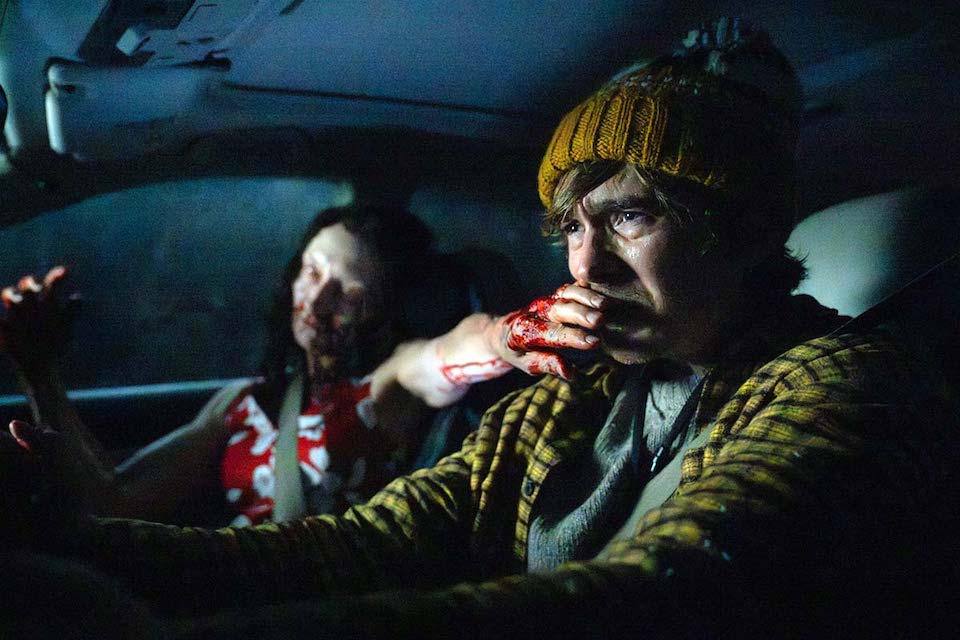
The film has moments of promise. The appearance of a zombie woman early in the story introduces an unexpected touch of comedy, briefly reminding us that horror can be absurd as well as frightening. That moment made me smile. Unfortunately, the humor gradually recedes, and the film becomes increasingly serious without always finding an equally compelling emotional depth to replace it.
I missed the balance between horror and absurdity. Dark humor can make a frightening situation even more unsettling because it allows the audience to laugh before confronting the danger again. It can also give a story a distinctive personality, preventing a succession of gruesome encounters from becoming monotonous.
The film's relentless escalation might have benefited from more of this contrast. Instead, the early promise of a more playful approach gradually gives way to a heavier atmosphere. The result is a film that knows how to intensify its horror but does not always know when to let the audience breathe.
When Emotion Needs More Than Shock
The dialogue occasionally feels repetitive, reinforcing ideas the audience has already understood. Repetition can be an effective tool in horror, creating rhythm, anticipation, or mounting dread. Here, however, it sometimes feels as though the screenplay is explaining itself rather than trusting the audience to connect the dots.
Even the scene seemingly designed to serve as the film's deepest emotional moment struck me as too simple for the weight it was expected to carry. An emotional scene needs more than the right circumstances. It needs complexity, character development, and a sense that the feelings on screen have been earned.
I was also troubled by some of the film's depictions of violence, particularly when women and children become the objects of horror. Even in a fictional world populated by monsters, I find a distinction between frightening an audience and repeatedly confronting it with images of vulnerability being violated. The presence of a child makes that discomfort especially difficult to ignore.
I understand that horror is designed to unsettle us. Yet I sometimes wonder what we lose when shock becomes more important than sensitivity, particularly when such imagery becomes familiar to younger audiences. These choices may serve the genre, but their emotional implications deserve consideration.
For me, the issue is not whether horror should be disturbing. It should be. The question is whether that disturbance contributes to something meaningful or simply becomes another way to raise the stakes. When violence involving vulnerable characters is used, I want the emotional consequences to carry more weight than the shock itself.
A Soundtrack That Gets It Right
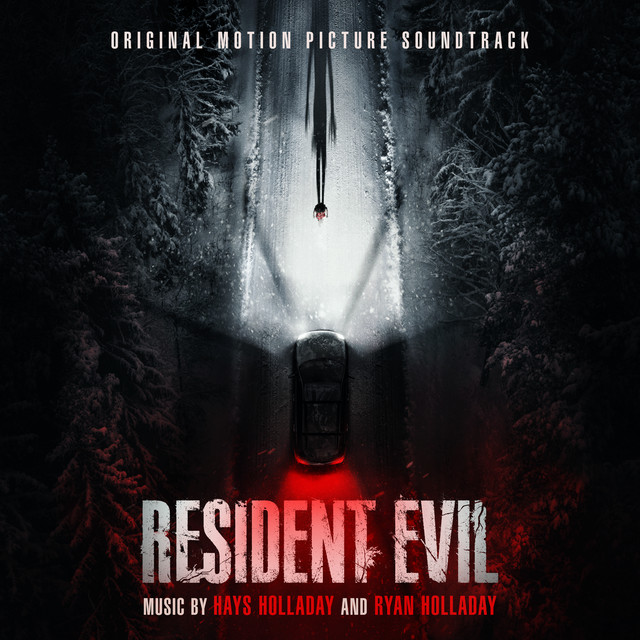
One element that deserves recognition is the soundtrack. Composed by Ryan and Hays Holladay, the music contributes to the film's unsettling atmosphere and helps sustain its tension. The music is a welcome component of the cinematic experience, even when other aspects of the storytelling fall short of their potential.
Music can shape an audience's experience of fear, anticipation, and emotion, sometimes communicating what dialogue cannot. In this respect, the soundtrack provides a strength within a film whose emotional storytelling I found less convincing.
Game Over?
Ultimately, I watched Resident Evil with two perspectives in mind: that of a horror movie enthusiast looking for a thrilling night at the movies, and that of a gamer who remembers the sleepless college nights spent trying to survive its digital nightmares. The film succeeds in delivering a series of tense, grotesque, and often entertaining encounters. As a popcorn movie, it has its pleasures.
But nostalgia also makes you recognize what is missing. I wanted the stronger female action hero, the more compelling presence of the Umbrella Corporation, the sharper social commentary, and the emotional payoff that would make the journey feel worthwhile. The earlier films, particularly those featuring Milla Jovovich, gave me more of the action, mythology, and personality I associate with the franchise.
Cregger's Resident Evil understands how to raise the stakes, and its succession of obstacles gives it a strong sense of progression as a game adaptation. Yet the plotting feels comparatively thin beyond the survival horror sequences, the corporate metaphor lacks depth, and the emotional conclusion did not satisfy me.
A horror film does not need to offer hope, but when it chooses despair, I want that despair to leave me with something to contemplate. I want the characters, the ideas, and the consequences of their actions to come together in a way that feels earned.
So, is it game over? Not necessarily for the franchise. I had fun playing along, but as both a gamer and a horror movie geek, I left the theater wishing for another chance to play a better game.

Film Credits
Title: Resident Evil (2026)
Director: Zach Cregger
Screenplay: Zach Cregger and Shay Hatten
Principal cast: Austin Abrams, Zach Cherry, Kali Reis, and Paul Walter Hauser
Cinematography: Dariusz Wolski
Music: Ryan and Hays Holladay
Production company: Constantin Film
Distributor: Sony Pictures Releasing
Based on: Capcom's Resident Evil video game franchise
Genre: Horror, action
US theatrical release: September 18, 2026
Filming location: Prague, Czech Republic