
15 October
Two First-Place Prizes for Carmen Dilara Bağış in Minerbio 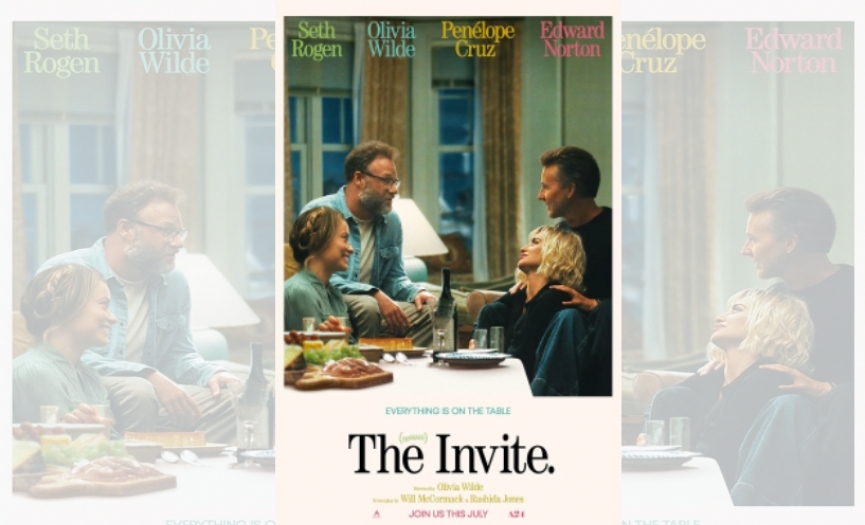
By Bessy ADUT
One of the aspects of filmmaking I admire most is the ability to tell a compelling story within a single location using only a handful of characters. There is nowhere for filmmakers or actors to hide. Every line of dialogue, every silence, and every performance must carry the emotional weight of the film. The Invite is a reminder that cinema does not always need grand spectacle to captivate an audience. Sometimes four people around a dinner table are enough.
Watching Olivia Wilde's latest film also reminded me how much I have missed one of cinema's greatest pleasures: collective laughter. There were several moments when the entire theater erupted in laughter, and it felt almost nostalgic. In an era where streaming has become second nature, sharing spontaneous laughter with strangers remains one of the magical experiences that only movie theaters can truly offer.
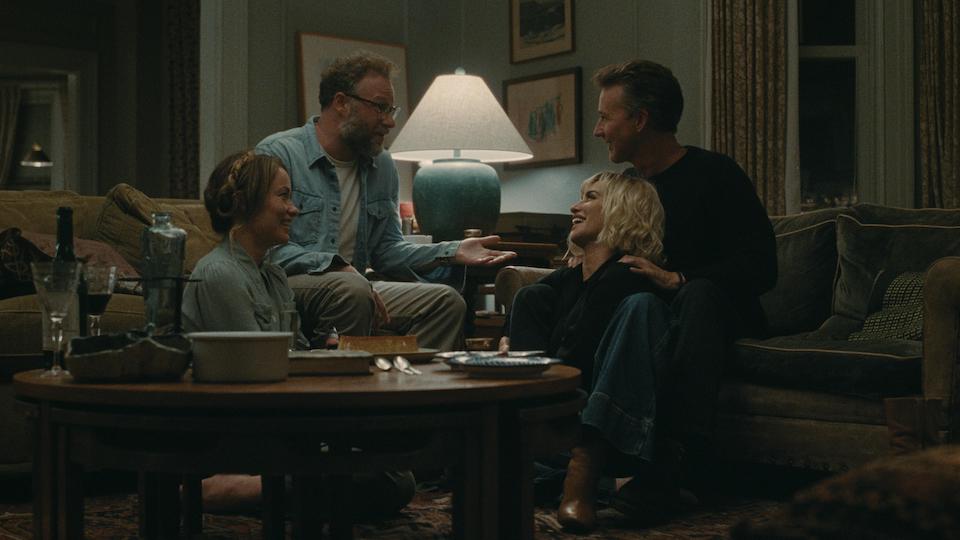
Adapted from Cesc Gay's acclaimed Spanish film The People Upstairs, The Invite understands that some of life's funniest moments emerge from discomfort, honesty, and emotional vulnerability.
At first glance, the premise appears deceptively simple. A struggling married couple hosts their upstairs neighbors for dinner. Yet within the walls of a single apartment, Wilde constructs an intimate psychological landscape where every conversation slowly dismantles years of emotional repression.
Olivia Wilde continues to grow as a filmmaker with confidence and restraint. She trusts both the screenplay and her actors, allowing the dialogue and performances to carry the emotional weight instead of relying on stylistic excess.

Seth Rogen delivers one of the strongest performances of his career, while Olivia Wilde, Penélope Cruz, and Edward Norton create an ensemble that feels authentic and effortlessly engaging.
The arrival of the neighbors shifts the evening into fascinating territory. Audiences expecting an explicit comedy may be surprised. The Invite is more of a playful tease than a provocative drama. Rather than showing sensational moments, it builds tension through clever dialogue, emotional honesty, and the endless curiosity of what might happen next.
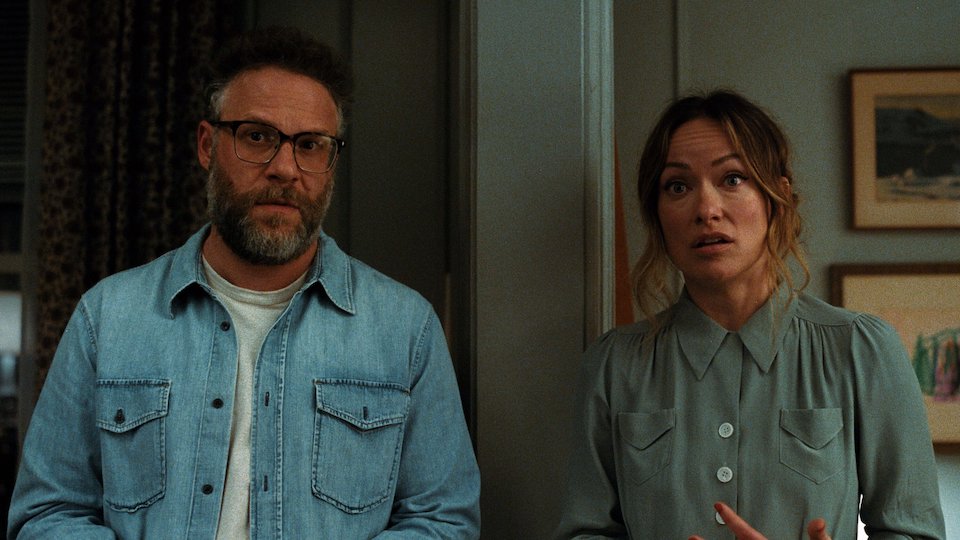
What impressed me most is that sexuality is never the destination. Instead, it becomes a doorway into larger questions about intimacy, communication, and commitment. Anyone who has lived with a long-term partner or experienced marriage will likely recognize pieces of themselves somewhere within these conversations, making the humor all the more relatable.
Visually, Wilde embraces simplicity. Carefully composed interiors prove that compelling filmmaking depends less on scale than on confident storytelling. Devonté Hynes' understated score complements the emotional rhythm beautifully, while the inclusion of Sade's 'By Your Side' provides one of the film's most touching moments.
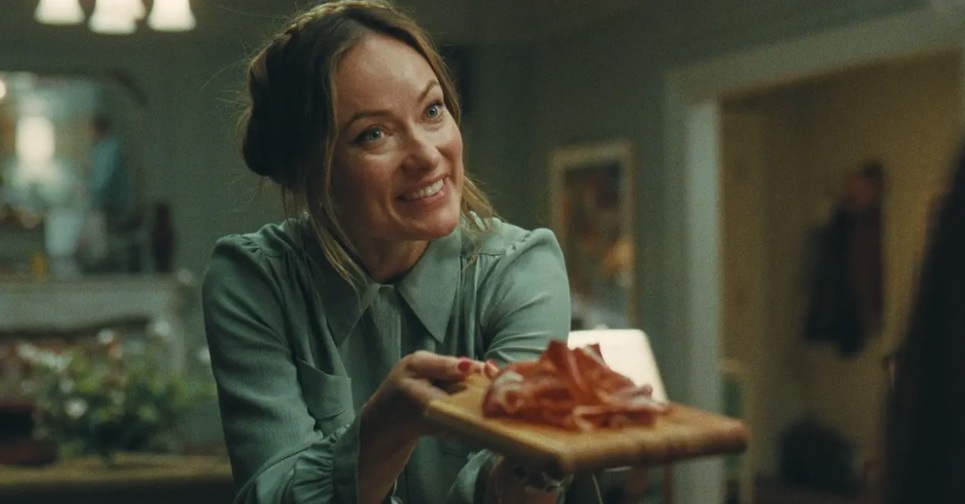
As someone constantly searching for stories that reveal what connects us as human beings, I found The Invite thoughtful and engaging. At its best, cinema becomes more than entertainment. It becomes a way to better understand ourselves and each other.
Still, I left the theater wanting just a little more. Throughout the film, I kept expecting a more original turn or a final twist that would completely reframe everything that had come before. Perhaps that is why the ending left me wanting more originality. The film spends so much time inviting our curiosity that I expected its final reveal to reward that curiosity with a more daring surprise. Instead, the conclusion felt more predictable than I had anticipated.

That said, the film succeeds where it matters most. Its ensemble cast delivers consistently strong performances, the dialogue remains sharp and engaging, and its single location never feels limiting. Most importantly, it reminded me why I continue to love going to the movies. Not simply to watch stories unfold, but to experience them collectively. I had forgotten how wonderful it feels to hear an entire theater laugh together. Those shared moments remind us that cinema is not only about entertainment. At its best, cinema becomes a way to better understand ourselves and each other. Even when a film doesn't fully meet our expectations, it can still invite meaningful conversations long after the credits roll.
Rating: ★★★☆☆ (3/5)