15 October
Two First-Place Prizes for Carmen Dilara Bağış in Minerbio 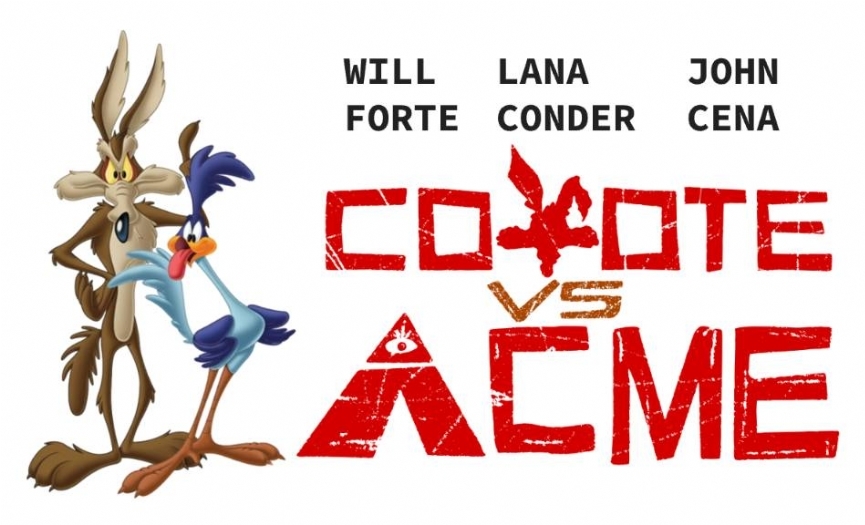
By Bessy ADUT
Where Animation Meets Reality
I have always loved films that bring together animation and live action. There is something magical about watching characters from an animated world exist alongside real human beings, creating a cinematic universe where imagination and reality can occupy the same space.
Perhaps my connection to this kind of storytelling is also deeply personal. When I was a child, I had an imaginary world of my own, a place somewhere between animation and reality. In my imagination, the real world and a fantastical animated world could coexist. It was my own imagination land, a space where anything was possible.
Maybe that is why I have always been drawn to films that blur the boundaries between reality and fantasy. Whenever I see animation and live action brought together successfully, it reminds me of that childhood world I created for myself. There is something deeply nostalgic about it, but also creatively inspiring.
Even today, watching films like Coyote vs. Acme makes me think about the possibilities of bringing that same kind of imaginative world into my own future projects. Cinema has the extraordinary ability to make the impossible feel real, and the combination of animation and live action opens a door to storytelling without traditional boundaries.
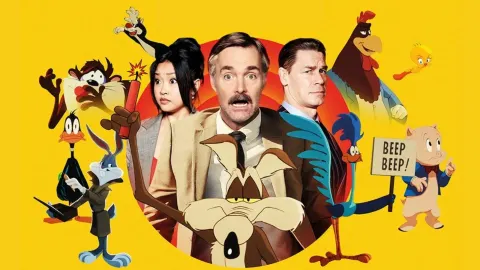
Watching Coyote vs. Acme immediately reminded me why I have always been drawn to this particular form of filmmaking. I remembered fondly Who Framed Roger Rabbit, which remains one of the great achievements of hybrid cinema. Throughout film history, memorable classics have explored this fascinating combination. Mary Poppins invited audiences into a hand-drawn fantasy world, Who Framed Roger Rabbit brought animated characters into a noir-inspired Hollywood mystery, Enchanted transported a traditional fairy tale princess into contemporary New York City, and Cool World explored a darker and more adult relationship between reality and animation.
These films demonstrate that animation is not simply entertainment created exclusively for children. When combined with live action, it can become a powerful cinematic language capable of exploring imagination, satire, fantasy, and even serious social issues. Coyote vs. Acme understands that potential remarkably well.
From a Humorous Legal Piece to the Big Screen
One particularly interesting detail about Coyote vs. Acme is that the central idea behind the film can be traced back to Ian Frazier's humorous 1990 piece, “Coyote v. Acme,” published in The New Yorker.
Frazier took one of the most familiar relationships in animation and looked at it from a completely different perspective. For decades, audiences watched Wile E. Coyote order one Acme product after another in his endless attempts to catch the Road Runner. Rockets, explosives, traps, and increasingly elaborate inventions promised to help him achieve his goal. Yet, time after time, those products failed, malfunctioned, or spectacularly backfired, and usually the customer himself paid the price.
Frazier's brilliant comic idea was essentially to ask a question that suddenly seems completely obvious once you hear it: after all these years of defective products, why wouldn't Wile E. Coyote sue Acme?
That humorous legal premise eventually became the foundation for a feature film. Directed by Dave Green and written by Samy Burch, with the story developed with James Gunn and Jeremy Slater, Coyote vs. Acme expands that absurdly logical idea into a larger legal comedy and satire. For me, this origin story makes the film even more interesting because sometimes a great movie begins with one simple question: what if the Coyote finally fought back?
More Than a Cartoon
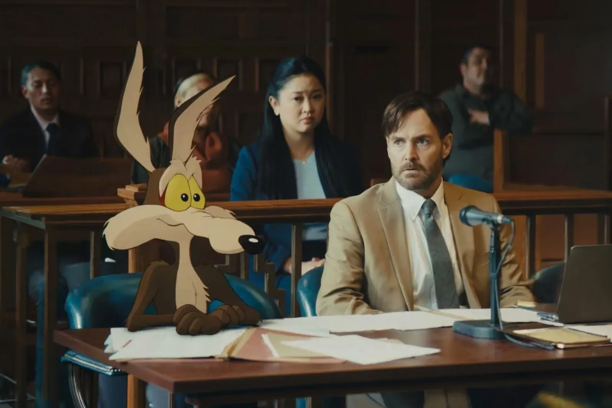
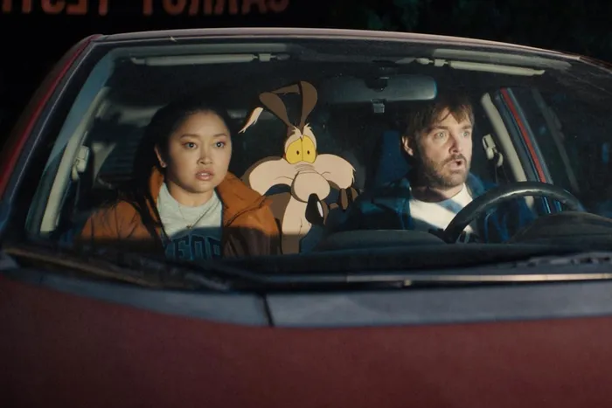
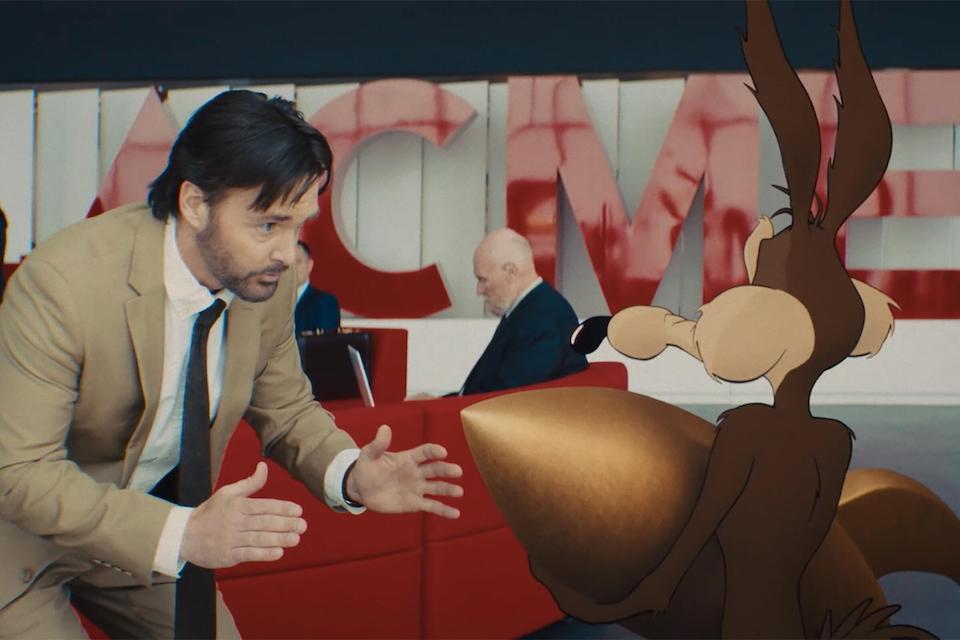
The story follows Wile E. Coyote as he decides to take legal action against Acme Corporation after years of defective and dangerous products. To fight a company with enormous resources, he turns to Kevin Avery, a struggling billboard personal injury lawyer played by Will Forte. Lana Condor plays Paige, an ambitious young member of his legal team, while John Cena brings considerable presence to the opposing side of the courtroom battle.
What begins as an entertaining and absurd premise gradually develops into something with deeper implications. At first glance, the film may appear to be a lighthearted comedy built around one of the most recognizable characters in animation history. Yet beneath its humor, spectacular inventions, and familiar cartoon chaos lies a surprisingly meaningful story about power, justice, and the ways powerful corporations and institutions can affect individuals.
The Film That Almost Never Reached the Audience
Here is where the story behind Coyote vs. Acme becomes almost as fascinating as the film itself. My film geek co-producer mentioned this history to me, and when I started looking into it, I found the entire journey of the film remarkably ironic.
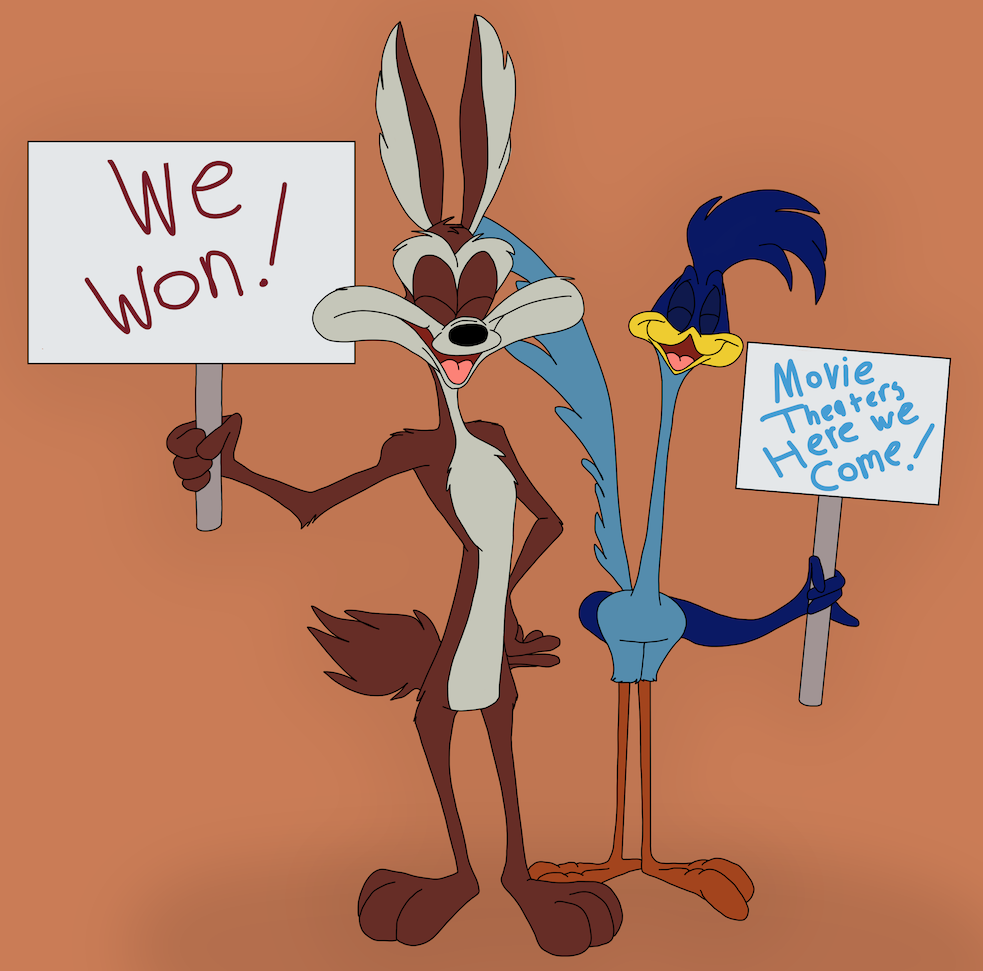
Warner Bros. Discovery initially shelved the completed film in 2023 as part of a tax write-off strategy. The decision created enormous backlash among filmmakers, animation professionals, and audiences who could not understand why a completed film would potentially disappear without ever reaching the public. Eventually, the film was allowed to seek another distributor, and after a long journey, Ketchup Entertainment acquired the rights and brought it to audiences.
And honestly, after seeing the film myself, I have to ask the same question: why was such a great film shelved in the first place? It beats me.
When the Audience Becomes Part of the Story
For me, the journey of Coyote vs. Acme also became an interesting example of viewer and consumer power. Audiences are not always completely powerless. People can speak up, fans can create conversations, artists can protest decisions, and when enough people care about something, their collective voices can sometimes become impossible to ignore.
There is something wonderfully ironic about a film centered on an underdog fighting a powerful corporation becoming involved in its own real-life struggle to reach an audience. The fictional Coyote fights Acme, while the film itself had to fight to be seen.
Of course, business negotiations, distribution rights, and financial decisions ultimately determined its path to release. But public backlash transformed what might have been a quiet corporate decision into a major conversation about the value of creative work and whether audiences deserved the opportunity to see it. In a strange way, the film's journey almost became its own Coyote vs. Acme story.
When One Voice Is Not Enough
The legal system presented in the film can feel painfully familiar. Powerful corporations and institutions often have enormous resources, while individuals who have been harmed can find themselves pressured into accepting settlements simply because fighting a larger system appears impossible.
For me, this idea extends beyond corporations. I know people who have suffered because of failures within the health care system, people who felt dismissed, unheard, or unable to fight against institutions that seemed far more powerful than they were.
One person's voice can sometimes be ignored, one complaint can be dismissed, and one individual can be made to feel that challenging a large and complicated system is simply impossible. But history has also shown us something else. When people come together, their voices become louder. When individuals who have experienced similar harm recognize that they are not alone and decide to stand together, change becomes more possible.
That is why I found Coyote vs. Acme more meaningful than I initially expected. Beneath the comedy is a story about what can happen when someone who has been repeatedly harmed decides not simply to accept what happened. It becomes a story about finding allies, challenging a system, and believing that justice may still be possible.
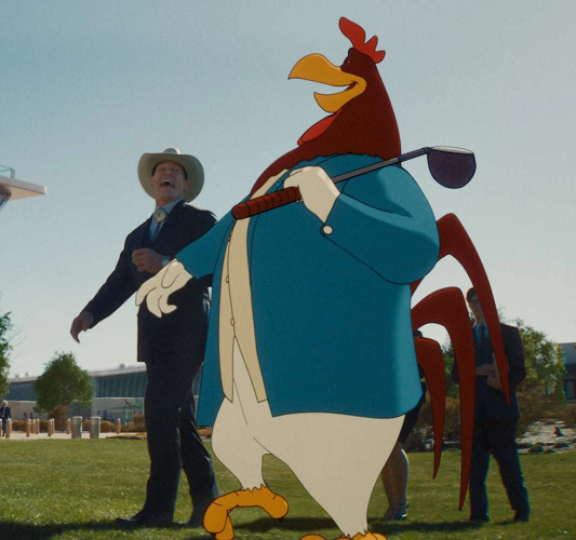
The Ultimate Consumer Fights Back
Interestingly, other critics saw many of the same themes that stood out to me. Wile E. Coyote can be seen as the ultimate consumer. For decades, he has remained loyal to Acme. He keeps buying its products, trusts its promises, and invests in one invention after another. Every time, the products fail him, yet he continues consuming.
That creates an interesting commentary on consumer culture and the complicated relationship between customers and powerful corporations. At what point do you finally say enough?
Critics including Catherine Wheatley of Sight and Sound explored the film's treatment of corporate power and consumer culture, describing Wile E. as trapped in a cycle of repeatedly consuming products that continue to fail him. Wheatley also recognized the film as something far more layered than a simple family comedy, finding elements of courtroom drama, political satire, and conspiracy thriller within its playful structure.
Justin Chang of The New Yorker similarly recognized the extraordinary parallel between the film's fictional underdog story and its own real-life history. A movie about challenging corporate power almost disappeared because of a corporate decision. The film's story and the story of the film almost mirror each other.
It turns out other critics were thinking about many of the same ideas I was thinking about after leaving the theater.
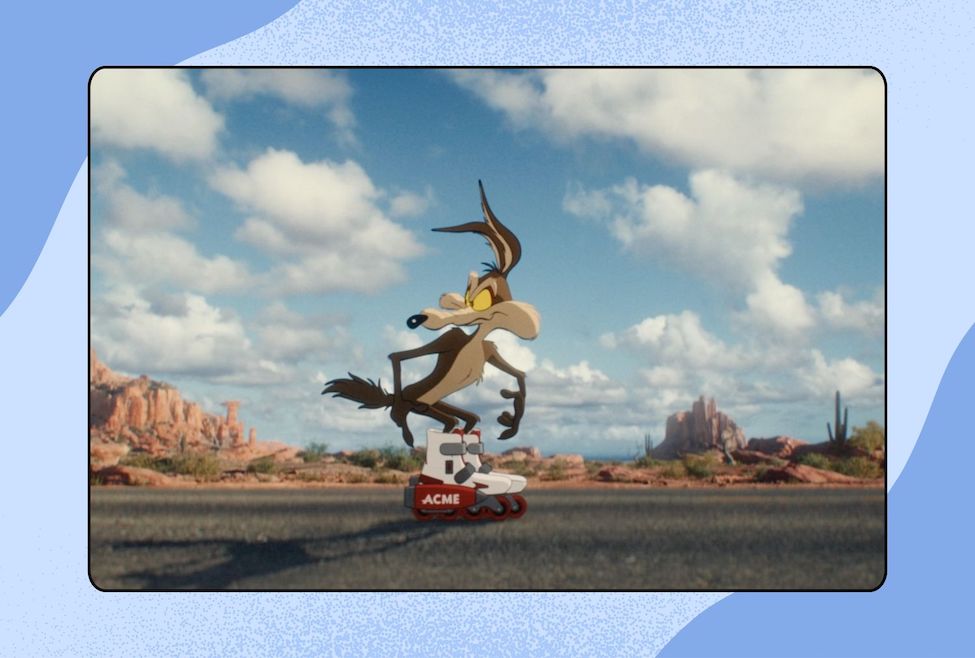
Wile E. Coyote and Sisyphus
Another fascinating interpretation connects Wile E. Coyote with Sisyphus, the figure from Greek mythology condemned to push a massive rock uphill, only to watch it roll back down again. When you think about it, Wile E. may be one of cinema's great comic versions of Sisyphus. He tries, fails, falls, gets back up, and then tries again.
For decades, that has been the rhythm of his existence. No matter how spectacularly he fails, he refuses to give up. That persistence has always been part of what makes Wile E. such a fascinating character. Beneath the comedy and explosions is someone who simply refuses to surrender.
This time, instead of simply buying another product and attempting another impossible scheme, the Coyote tries something different. He fights back.
From Black and White Sketches to a Living Cartoon World
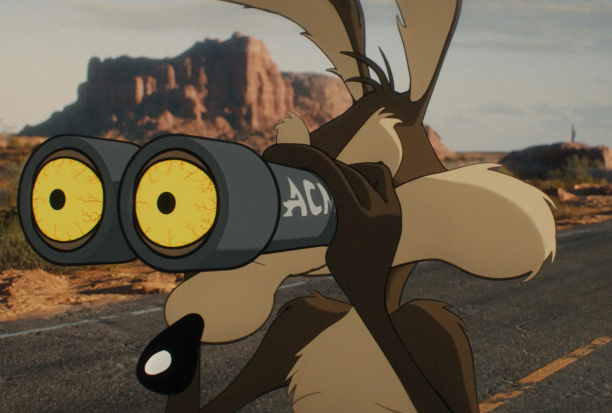
One of the most fascinating aspects of Coyote vs. Acme is the creative process behind bringing animated characters into the live-action world. While audiences ultimately see Wile E. Coyote and other Looney Tunes characters interacting with human actors in a fully realized environment, part of that journey began in a much simpler form: black and white drawings.
Artists created black and white line drawings of important poses and expressions over rough edits of scenes. These sketches helped the filmmakers visualize performance before the final animation and visual effects were completed. The production team referred to this process as “sketchviz.”
For me, there is something beautiful about the fact that a technologically sophisticated film involving modern visual effects still begins with one of the oldest and most fundamental tools of animation: a drawing.
The process brought traditional artistic thinking into conversation with modern computer animation. The finished film exists between two worlds, combining animation and reality, old-school cartoon language and contemporary filmmaking, hand-drawn imagination and modern visual effects.
In a way, the black-and-white sketch became the bridge between imagination and reality. For someone like me, who has always been fascinated by worlds where animation and live action come together, that creative process is almost as magical as the finished result itself.
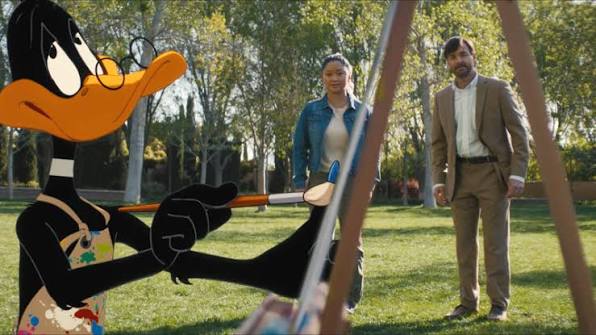
The Child and the Adult in All of Us
That may be one of the things I appreciated most about Coyote vs. Acme. It never forces us to choose between being entertained as children and thinking as adults. It is a great mix of the child and the adult in us.
There is the child inside us who laughs at the impossible inventions, spectacular falls, and timeless cartoon chaos. But there is also the adult inside us who recognizes the satire, the commentary about corporations and consumer culture, the legal battle, and the larger questions about justice and accountability.
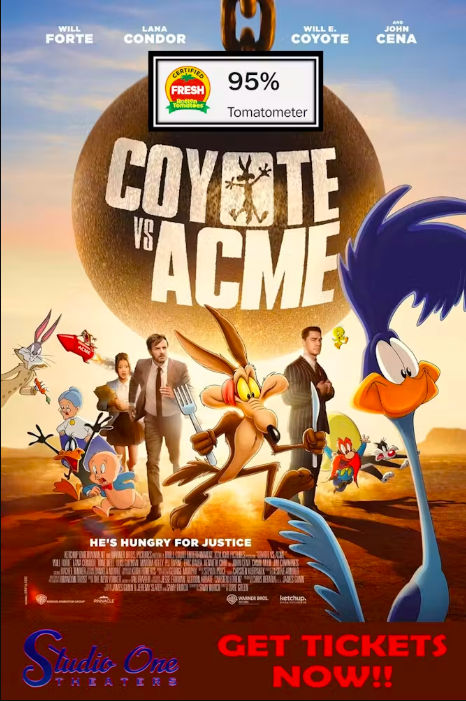
That balance has clearly resonated with critics as well. The film has earned an overwhelmingly positive response, including a 96 percent positive rating from 246 critics on Rotten Tomatoes at the time these figures were reported. Brian Tallerico of RogerEbert.com gave the film three out of four stars, praising its clever and funny qualities.
And I think that is exactly why the film works. The child in us gets the cartoons, the adult in us gets the message, and both get to have fun.
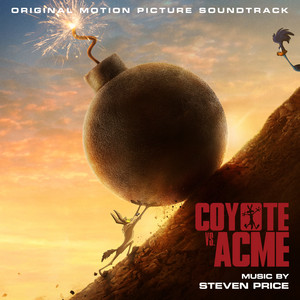
Meep Meep! A Soundtrack Worth Listening To
The music was another element of Coyote vs. Acme that I really enjoyed. Steven Price's score adds energy, emotion, and cinematic scale to the film. Music is especially important in a world inspired by classic cartoons, where timing, movement, and sound work together to create both comedy and emotion.
There is also one particularly delightful musical detail. Price shared the wonderfully playful idea of the “Meep Meep Choir,” a choral interpretation of the Road Runner's famous sound set in conversation with Tchaikovsky's iconic 1812 Overture. Meep meep meets Tchaikovsky, and that combination perfectly represents the spirit of the film for me: classical music, sophisticated orchestration, and one of the most recognizable sounds in animation history.
I also thought the soundtrack was great overall. Two tracks particularly stood out to me: “A Little Pain for the Greater Good” and “Are You Coming Back.” The second title carries an especially emotional resonance once we reach one of the most touching moments in the story.
For vinyl collectors and film score lovers, this is definitely a soundtrack I would recommend adding to your collection. It is another example of how the film combines nostalgia, humor, and genuine emotion in unexpectedly creative ways.
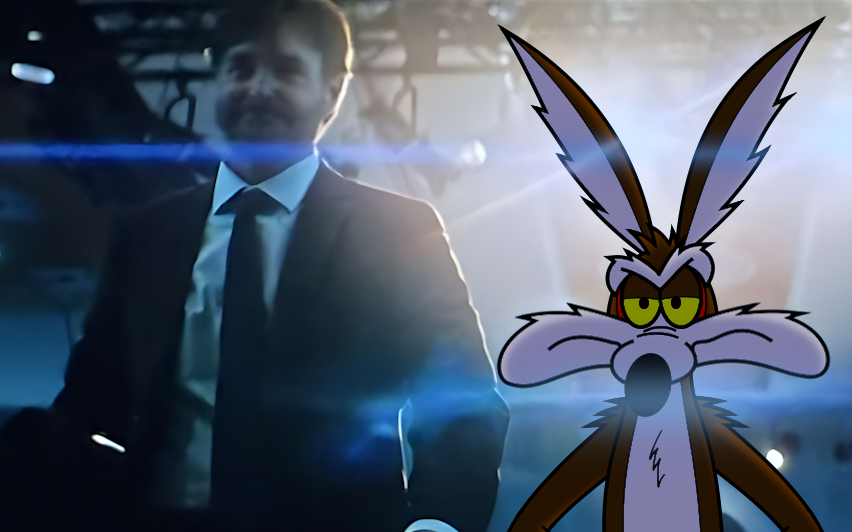
The Moment That Moved Me Most: Coyote & Road Runner, Friends
For all its slapstick comedy, legal satire, and cartoon chaos, one particular scene genuinely moved me: the realization that Coyote and Road Runner are, in their own unusual way, friends.
The Road Runner arrives and communicates what he has witnessed over the years, including the harm Acme products have caused Wile E. Through his famously simple language of “beep” and “beep beep,” he communicates something surprisingly profound. He has seen what happened to Wile E. and witnessed his pain and suffering.
But the most touching revelation is that the Road Runner does not simply see him as an enemy. He sees him as a friend. The Road Runner expresses that he cares about him and misses him, deeply moving Wile E.
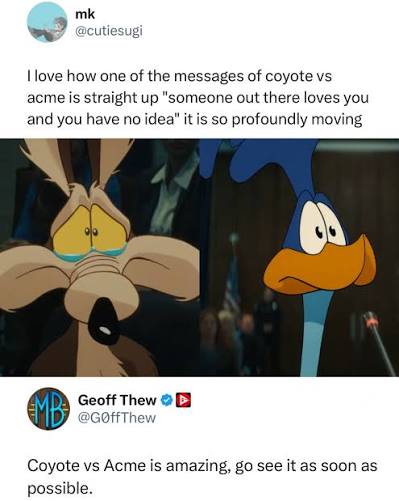
Suddenly, decades of chasing each other take on a completely different meaning. For generations, we have watched these two characters as opponents locked in an endless chase. Wile E. tries to catch the Road Runner, the Road Runner escapes, and the Coyote falls off cliffs, gets blown up, or becomes the victim of another spectacular Acme disaster.
But beneath that familiar routine, the film finds something unexpectedly tender. They were never simply enemies. They were part of each other's lives. Their endless chase was what they knew, and perhaps, in its own strange way, it was also a form of connection.
What moved me most was how the Road Runner managed to communicate so much emotion with almost nothing more than his iconic sounds. Sometimes words are not necessary to communicate friendship, love, or concern. For me, the idea of Coyote and Road Runner as friends carried more emotional weight than I ever expected from a story built around one of the most famous cartoon chases in cinema history.
My Oscar Vote
And yes, I am going to say it: I would vote for Coyote vs. Acme for an Academy Award next year. At the very least, I believe this film deserves serious consideration for an Oscar nomination in animation.
The film combines animation, live action, comedy, nostalgia, and emotional storytelling in a way that feels technically ambitious and genuinely heartfelt. It made me laugh, made me nostalgic, and, unexpectedly, moved me. That emotional range is not easy to achieve.
For me, Coyote vs. Acme deserves to be part of the conversation when awards season arrives.
Returning to My Imagination Land
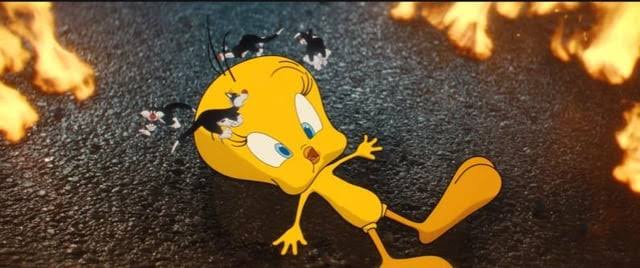
For me, that is ultimately what makes the experience work. It is entertaining, nostalgic, and visually imaginative, but it also carries an underlying message about persistence, solidarity, and the courage to challenge powerful systems.
Perhaps that is another reason the film stayed with me. Beyond the courtroom story and the familiar Looney Tunes humor, it brought me back to that child who once imagined a world where animation and reality could exist together.
That imagination has never completely disappeared, and perhaps one day some version of that childhood imagination land will find its way into one of my own films.
Sometimes one voice may be dismissed, but when many voices come together, they can become impossible to ignore. History has shown us that collective voices can create change and demand accountability when justice once seemed impossible.
And sometimes, all it takes is a simple beep beep to remind us that even the relationships we think we understand may contain much more heart than we ever realized.
Watch the Trailer: https://www.youtube.com/watch?v=H-43VeYGiPM