14 September
President Erdoğan Extended Greetings for Rosh Hashanah 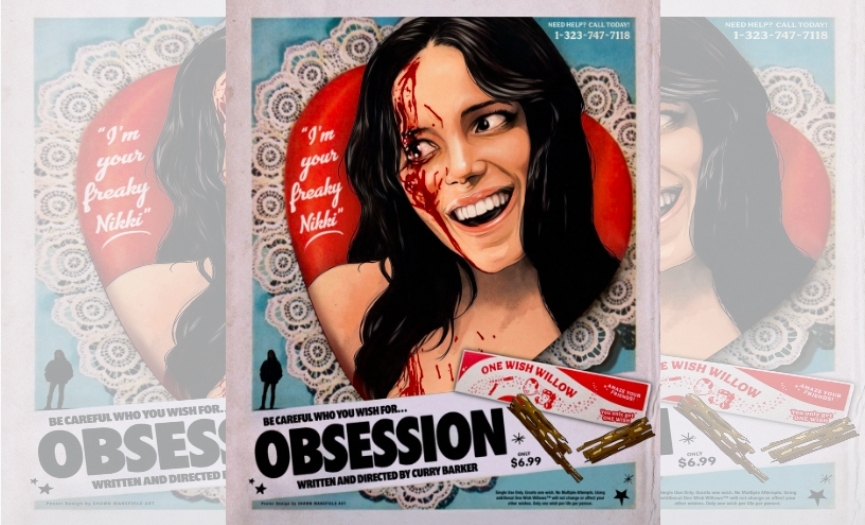
By Bessy ADUT
Every so often, a young filmmaker arrives with a project that feels like a signal flare for the future of cinema. With Obsession, writer, director, and editor Curry Barker delivers a clever, unsettling, and surprisingly thought-provoking horror film that establishes him as one of the most exciting new voices in the genre.
I saw Obsession in a movie theater, and it was one of the most entertaining audience experiences I have had in recent memory. The crowd screamed, laughed, gasped, and reacted throughout the film. Horror is often at its best when experienced collectively, and Obsession reminded me why movie theaters remain such special places. There is something magical about sharing fear, suspense, and laughter with a room full of strangers.
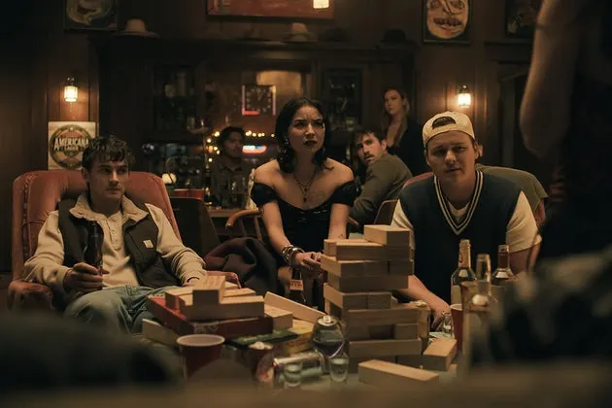
Long before I saw the movie, I had already encountered one of its most talked-about scenes all over social media. The now-famous dinner sequence had been circulating online for months. Even knowing it was coming did not lessen its impact. Watching the scene unfold in context, with its escalating tension, awkward humor, and emotional chaos, was one of the highlights of the film.
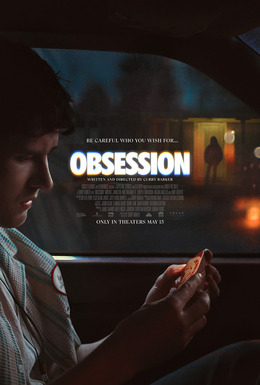
The supernatural psychological horror film follows Bear, a shy music store employee secretly in love with his longtime friend Nikki. After a series of awkward interactions and missed opportunities, Bear purchases a novelty item called the One Wish Willow, a supernatural toy that promises to grant a single wish. In a moment of frustration and heartbreak, he wishes that Nikki would love him more than anyone else in the world. At first, the wish appears to work. But as Nikki's behavior becomes increasingly disturbing and obsessive, Bear realizes that getting exactly what he wanted may be the worst thing that could have happened.
What follows is a tense blend of psychological horror, dark comedy, and supernatural suspense that manages to entertain while exploring surprisingly meaningful themes.
When Love Stops Being Love
The true horror of Obsession is not the supernatural toy or the violence that follows. It is the realization that affection loses all meaning when it is no longer freely given.
Bear's wish comes from a place many people can understand. Almost everyone has experienced unrequited love, loneliness, or the longing to be seen by someone they care about. Barker wisely begins the story from this relatable emotional foundation before gradually pulling the audience into darker territory. The result is a film that forces viewers to confront uncomfortable questions about desire, entitlement, and the difference between love and possession.
What makes the story effective is that it never feels preachy. Instead, the themes emerge naturally through the escalating nightmare, allowing audiences to draw their own conclusions.

The Rise of a New Scream Queen
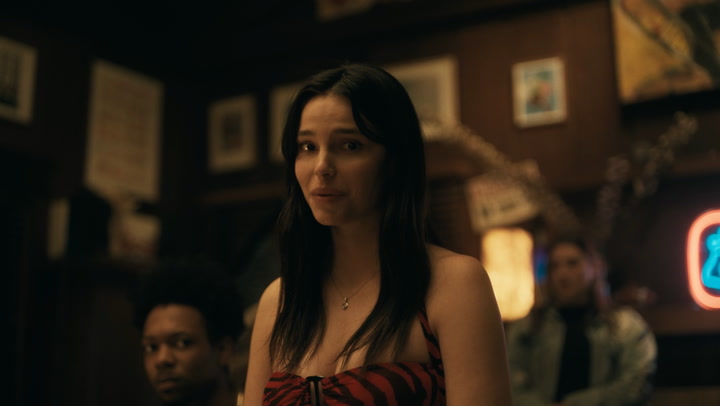
A major reason the film works so well is its casting. Barker reportedly spent considerable time searching for the right actress to play Nikki, a role that required someone capable of being both an ordinary young woman and a terrifying supernatural force. He found that rare balance in Inde Navarrette, whose performance is nothing short of remarkable.
Navarrette carries much of the film's emotional and psychological weight. Nikki is simultaneously a victim, a threat, tragic, funny, heartbreaking, and terrifying. Lesser performers might have reduced the character to a collection of horror movie mannerisms, but Navarrette brings humanity to every stage of Nikki's transformation. Her natural charm and relatability make audiences care about her before the horror takes hold, which ultimately makes the film's darker moments even more disturbing.
At times, her fearless physical performance recalls the elastic unpredictability and commitment of Jim Carrey, while firmly placing her among a new generation of scream queens. Much of Nikki's unsettling behavior, facial expressions, vocal shifts, and chilling physicality were achieved through performance rather than computer tricks. Drawing inspiration from Toni Collette's unforgettable work in Hereditary and Mia Goth's performance in Pearl, Navarrette creates a character who is likely to be remembered by horror fans for years to come.
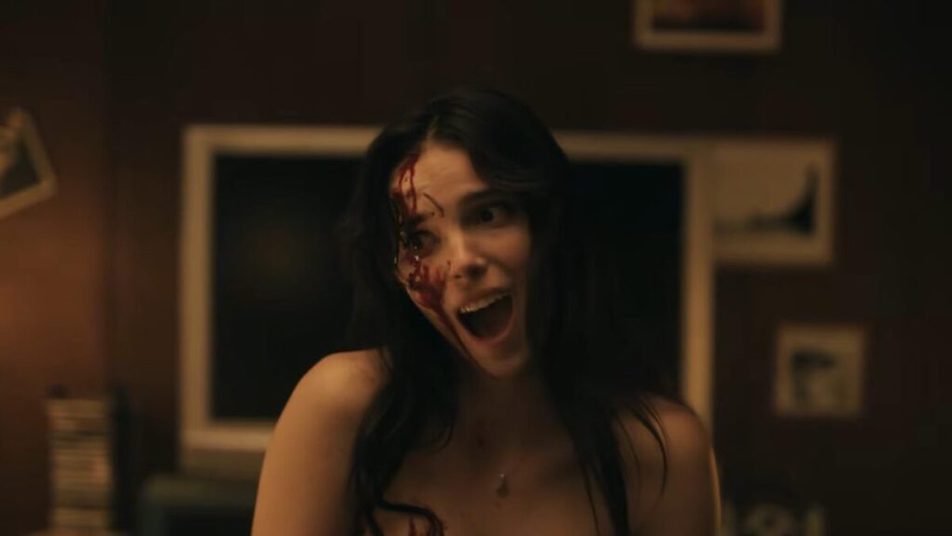
She feels authentic, vulnerable, naturally beautiful, and genuinely human even when the story descends into madness. It is easy to understand why audiences around the world connected with her performance.
Part of what makes Nikki such a memorable character is that she feels recognizable beneath the horror. While the film takes her behavior to supernatural and extreme levels, many viewers will recognize elements of jealousy, insecurity, heartbreak, and emotional dependency that exist in real life. Navarrette taps into those emotions in a way that makes Nikki more than simply a horror villain.
In some ways, she reminded me of women I have known throughout my life. Not because they became violent or dangerous, but because love can sometimes bring out intense emotions, insecurities, and irrational fears. That familiarity makes Nikki simultaneously frightening and sympathetic. Even when the story becomes outrageous, there remains a very human sadness beneath her character that keeps us emotionally invested.
My admiration for Navarrette's work is far from an isolated reaction. Following the film's release, her performance received widespread critical acclaim, with many reviewers identifying her as one of the film's greatest strengths. Critics praised her ability to balance vulnerability, humor, terror, and tragedy while navigating the film's increasingly demanding emotional and physical challenges.
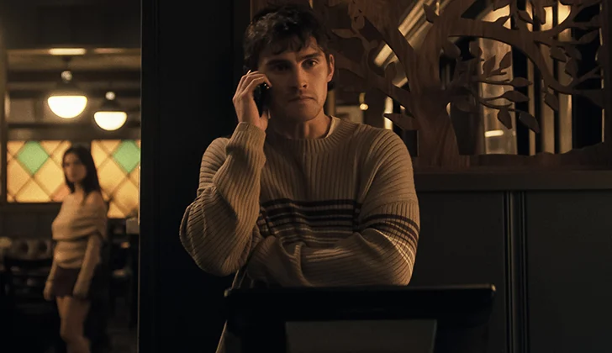
Michael Johnston is equally effective as Bear, capturing both the character's loneliness and his increasingly desperate attempts to fix a terrible mistake. His chemistry with Navarrette is essential to the film's success and helps ground the supernatural story in believable emotions.
Horror Without Hiding Behind Technology
One of the most impressive aspects of Obsession is how much of its horror comes from performance rather than visual effects.
In an era when filmmakers often rely heavily on digital effects, Barker and his cast achieve something more difficult. Many of the film's most unsettling moments are created through body language, facial expressions, vocal changes, and timing. The audience is frightened not because they are looking at a computer-generated monster, but because they are watching a human being become something unfamiliar.
That creative choice gives the film an old-school quality reminiscent of some of horror's most memorable performances. The fear feels tangible because it exists right there in front of the camera.
From YouTube Sketches to a Horror Phenomenon
Part of what makes Obsession so fascinating is the story behind its creation.
Long before becoming one of the biggest horror hits of 2026, Curry Barker was known online as one half of the sketch comedy duo That's a Bad Idea, alongside Cooper Tomlinson. While building an audience through comedy videos, Barker also experimented with horror filmmaking, releasing a short film titled The Chair on YouTube in 2023.
The short caught the attention of producer James Harris, who approached Barker about expanding it into a feature film. Instead, Barker pitched an entirely different idea: Obsession. Originally conceived as a story about an unhealthy romantic fixation, the project evolved after Barker stumbled upon a rerun of a classic The Simpsons episode involving a monkey's paw. The supernatural wish concept suddenly clicked into place, giving the story its unique blend of psychological horror and dark fantasy.
Barker spent eight months developing the screenplay while working closely with producers and refining his vision. One particularly charming detail from the film's development is that the design of the One Wish Willow, the cursed object at the center of the story, was created with the help of his mother, a graphic designer.
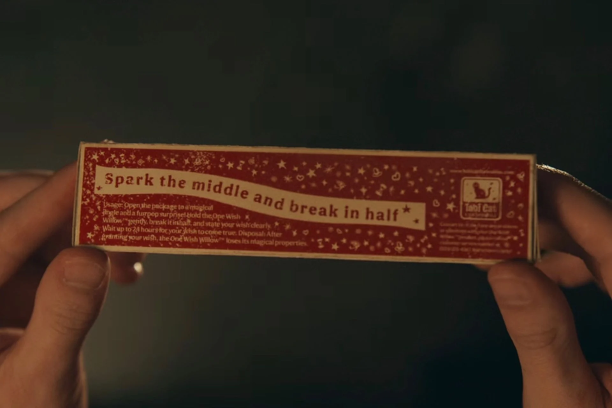
As a filmmaker myself, I always enjoy hearing stories like this. Behind every successful artist is usually a network of family members, friends, mentors, and collaborators helping bring a dream to life. While audiences see the finished film, they rarely see the countless conversations, sketches, ideas, and encouragement that helped shape it.
Looking at Barker's journey, I could not help noticing that there appear to be two creative parents quietly standing behind his success story. His mother contributed to the design of the film's most memorable object, while his playwright father later helped influence the ending that audiences ultimately saw in theaters. Kudos to both of them. Their contributions are a reminder that creative talent is often nurtured in environments where imagination, storytelling, and artistic collaboration are encouraged.
The involvement of Barker's parents adds a touching human element to a story that is otherwise filled with supernatural horror. It reminds us that filmmaking is rarely a solitary endeavor. Even the most personal artistic visions are often strengthened by the people who believe in us along the way.
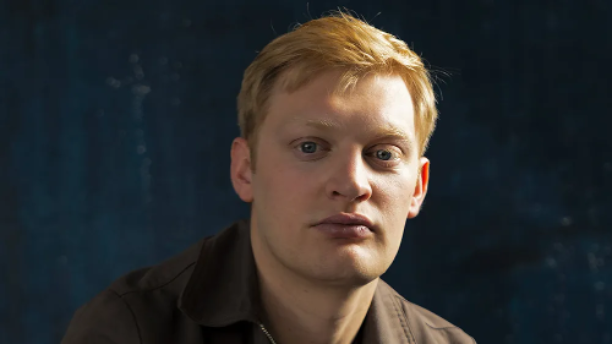
Curry Barker
Making a Big Movie on a Small Budget
One of the most impressive aspects of Obsession is how efficiently it was produced. Principal photography began in late October 2024 and was completed in just 26 days, including additional photography and reshoots. Working at an ambitious pace of five to six script pages per day, Barker and his team demonstrated the kind of discipline and preparation often required in independent filmmaking.
For aspiring filmmakers, the production serves as a valuable lesson in maximizing limited resources. Much of the film was shot in practical locations throughout the Los Angeles area, including Burbank and the San Fernando Valley. Production designer Vivian Gray transformed a house in Burbank into Bear's home, where the filmmakers spent the first week and a half of production shooting nearly all of the house scenes.
Barker and cinematographer Taylor Clemons also developed a distinctive visual style for the film. Many scenes were shot using center-composed framing with extra headroom, creating a subtle feeling of discomfort and unease. The technique often leaves viewers feeling that something is not quite right, even before the horror elements fully emerge.
The production also faced unexpected challenges. Some planned reshoots became impossible after the house used for the party sequence was destroyed in the devastating Los Angeles fires of 2025.
Even the ending evolved during production. Barker originally envisioned a more tragic conclusion inspired by Romeo and Juliet. Encouraged by feedback from collaborators, including his playwright father, who contributed Nikki's haunting Hansel and Gretel monologue, Barker filmed an alternate ending in which Nikki survives. After reviewing both versions, he chose the more emotionally complex ending for the theatrical release.
For filmmakers, stories like these are fascinating reminders that movies are living creations. Scripts change, locations disappear, actors contribute ideas, families offer creative input, and directors make difficult decisions right up until the final cut.
The Final Cut
The filmmaking journey did not end when production wrapped. By March 2025, Obsession had entered post-production, with Barker once again taking on multiple responsibilities by editing the film himself.
One detail that perfectly captures the independent spirit behind the project is Barker's performance as the voice of the One Wish Willow customer service representative. Rather than recording in an expensive studio, he reportedly recorded the dialogue on his phone while editing the film from his bedroom, even adjusting lines to better fit the evolving cut.
Following the film's festival premiere, one particularly violent sequence had to be trimmed to avoid receiving an NC-17 rating. According to Barker, several impacts were removed from a graphic scene in order to secure a wider theatrical release.
The film's growing momentum attracted even more attention after its successful festival run. Legendary horror producer Jason Blum joined the project as an executive producer through Blumhouse Productions, further validating Barker's arrival as a significant new voice in genre filmmaking.
As I was reading about Barker editing Obsession himself and even recording dialogue on his phone from his bedroom, I found myself thinking about filmmaker Robert Rodriguez and his book Rebel Without a Crew, which I happened to read this year.
While Barker and Rodriguez come from different generations, I noticed similarities in their approaches. Both filmmakers seem driven by the belief that if they do not have the resources they need, they will simply find another way to make the movie. Rather than waiting for ideal circumstances, they create with whatever tools are available.
A Victory for Independent Dreamers
Made for a reported budget of less than $750,000, Obsession demonstrates a level of confidence and craftsmanship that many directors spend years trying to achieve.
What makes Barker's achievement even more remarkable is his age. Still in his twenties, he has gone from creating YouTube sketches and independent horror shorts to directing a theatrical feature that became a cultural phenomenon.
As someone who spends her own life creating stories, I found myself thinking about the journey behind the film almost as much as the film itself. Hollywood often feels inaccessible to emerging artists. Yet Obsession stands as proof that creative determination still matters.
There is something deeply encouraging about that story. It reminds aspiring filmmakers that careers are not always built through shortcuts. Sometimes they are built one project at a time, one lesson at a time, and one audience member at a time.
More Than a Horror Movie
The industry's response was immediate. After premiering at the Toronto International Film Festival's Midnight Madness section, Obsession generated enormous buzz and sparked a bidding war that ultimately led to Focus Features acquiring distribution rights in a record-breaking deal reportedly worth between $14 and $15 million, making it the highest price paid for a genre film in TIFF history.
The movie went on to become a box office sensation, grossing nearly $250 million worldwide and becoming the highest-grossing film in Focus Features' history.
Yet despite its commercial success, the film never loses its independent spirit. Barker understands that horror works best when audiences care about the characters before the nightmare begins.
Success and the Conversation It Sparked
The film's remarkable rise also sparked a conversation about the realities of independent filmmaking. In June 2026, art director Sally Choi publicly discussed the challenges faced by some members of the production team, noting the multiple responsibilities she carried during filming and raising broader concerns about compensation on low-budget productions.
As someone who works in creative fields, I find this discussion worth acknowledging. Independent filmmaking often exists in a complicated space between passion and sustainability. Many artists willingly take on multiple jobs because they believe in a project and hope it will lead to future opportunities.
At the same time, the industry continues to grapple with important questions about fair pay and working conditions, especially when a small independent production ultimately achieves major commercial success.
Rather than diminishing the achievement of Obsession, these conversations highlight the complex realities of filmmaking. Behind every successful movie are countless artists, technicians, designers, assistants, and crew members whose contributions deserve recognition.

Final Thoughts
Several scenes stayed with me long after leaving the theater. I found myself repeatedly revisiting the famous dinner scene online because of how expertly it balances comedy, tension, and escalating chaos. I also laughed during several moments that caught the audience completely off guard, particularly the chair pulling and kiss sequence, as well as the unforgettable moment involving a wish for a billion dollars.
One aspect of the film that I found particularly interesting was my reaction to Bear. While I sympathized with his loneliness, I also found myself increasingly frustrated with many of his choices. The story begins with him desperately wanting Nikki's love, yet once he obtains it, his attention begins to drift elsewhere. At times, I questioned whether he truly loved Nikki or whether he simply wanted validation. There were moments when I felt he contributed to the situation in ways he did not fully acknowledge.
I also felt tremendous sympathy for Nikki by the story's conclusion. Beneath the horror and chaos is a tragic figure who loses nearly everything. While the film's central message is clearly "be careful what you wish for," I occasionally found myself wrestling with another question. Why are women in love so often portrayed as unstable, obsessive, or dangerous in popular culture? To the film's credit, Nikki is given enough humanity and vulnerability that she never becomes a simple stereotype. Still, the question lingered in my mind after the credits rolled.
Ultimately, I believe Obsession deserves its success. Horror audiences have seen countless variations of the same stories over the years, and while some of the film's ideas may feel familiar, Barker presents them with enough originality, confidence, and personality to make them feel fresh.
I am genuinely curious to see what Curry Barker and Inde Navarrette do next. Hopefully, neither proves to be a one-hit wonder. Based on the talent displayed here, I suspect this is only the beginning of their careers.
Obsession is creepy, funny, emotionally engaging, and unexpectedly insightful. For horror fans, it offers scares, suspense, and memorable performances. For filmmakers and dreamers, it offers something equally valuable: inspiration.
★★★★½☆ (4.5/5)
Bessy Adut is a filmmaker, writer, and host of the podcast Searching for Goodness, where she explores stories of people making a positive impact around the world.