18 September
Gamze Terra and A Warm Gaze 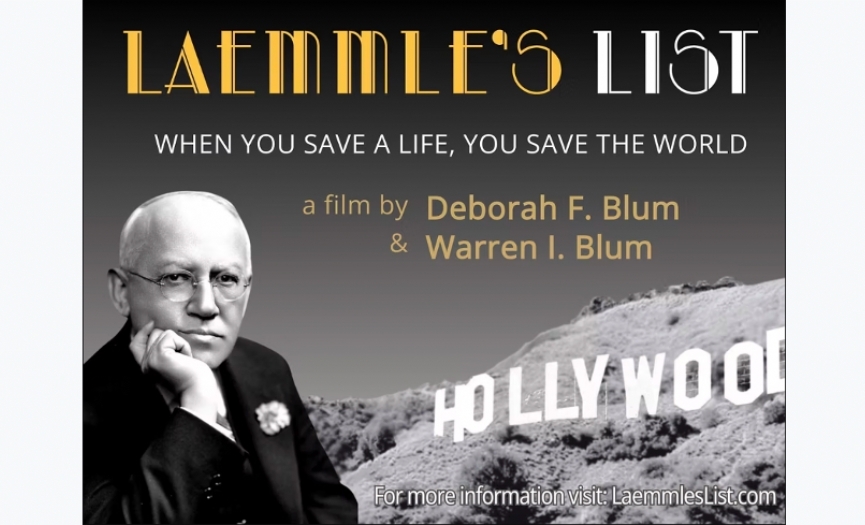
By Bessy ADUT
At this year’s Los Angeles Jewish Film Festival, audiences will have the opportunity to discover a moving and heartfelt documentary, Laemmle's List, directed by Deborah Fletcher Blum and Warren I. Blum.
The film begins with a simple but fascinating family question. Deborah grows up hearing that her family was somehow connected to Universal Studios, yet she does not fully understand how. That mystery immediately drew me into the story. What begins as curiosity slowly unfolds into something much deeper: an emotional and spiritual journey through memory, identity, family history, and moral courage.
This is an especially rich story because it connects so many important themes at once: Hollywood history, Jewish history, immigration and refuge, moral courage, memory and reconciliation, family legacy, and contemporary relevance. Rather than feeling overwhelming, the film weaves these subjects together naturally through Deborah’s deeply personal perspective and journey.
What makes Laemmle’s List especially compelling is that it is deeply personal while also historically significant. The documentary beautifully blends investigative storytelling with family discovery, moving fluidly between past and present. Deborah’s search for answers becomes an emotional bridge connecting generations, histories, and cultures. The inclusion of modern Germans dedicated to preservation, remembrance, and reconciliation adds an important dimension to the film, showing that memory can also become a path toward understanding and healing. Rather than focusing only on tragedy, the documentary thoughtfully explores remembrance, humanity, and the importance of carrying these stories forward.
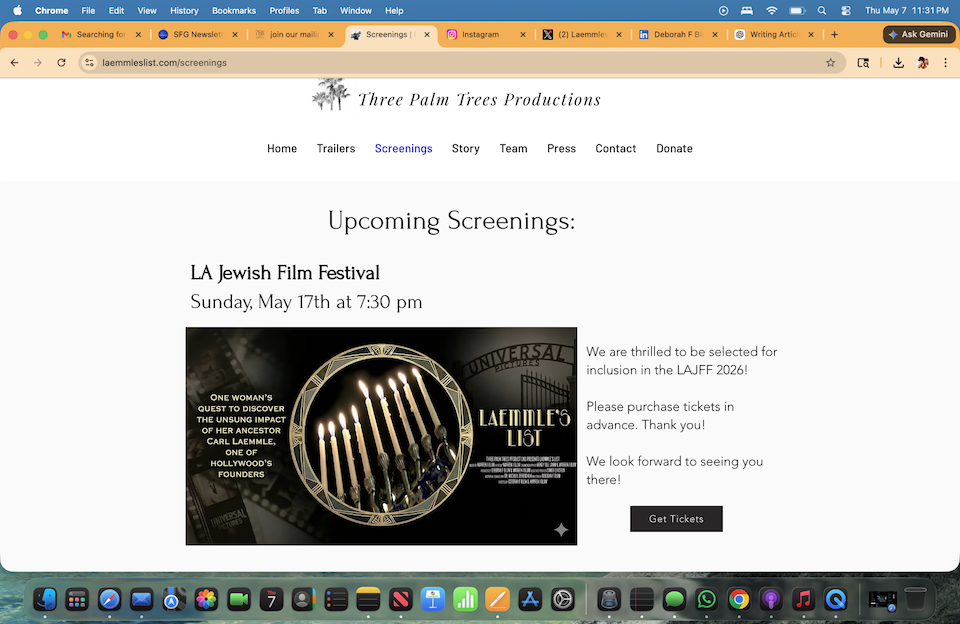
Joined by her husband Warren and their daughter Esther, Deborah travels from California to Germany to trace the legacy of her relative Carl Laemmle, one of the founders of Universal Studios and an early Hollywood pioneer. The documentary explores not only the birth of modern filmmaking, but also the humanitarian legacy of a man who quietly helped rescue more than three hundred Jews from Nazi Germany through affidavits, sponsorships, and personal support.
The film beautifully reminds viewers that Carl Laemmle was not simply a studio executive, but a visionary immigrant who helped shape Hollywood itself. Born in Germany in 1867, Laemmle immigrated to America as a teenager and eventually founded Universal City, one of the first fully integrated movie studios in the world. His independent spirit challenged the powerful Motion Picture Trust led by Thomas Edison, and his studio later produced classics such as The Phantom of the Opera, Dracula, Frankenstein, and All Quiet on the Western Front. Yet despite these enormous contributions to cinema, the film reveals that one of the most important parts of his legacy remained largely forgotten for decades: his efforts to save Jewish families during the rise of Nazism.
One of the strongest aspects of Laemmle’s List is how personal and intimate it feels. Rather than presenting history from a distance, the documentary invites viewers directly into Deborah’s search for truth and belonging. Throughout the journey, she discovers archives, letters, and testimonies while meeting descendants, historians, and modern Germans dedicated to remembrance and reconciliation. As the story unfolds, Deborah also seems to experience a spiritual connection to her family history, giving the documentary an emotional layer that feels authentic and deeply human.
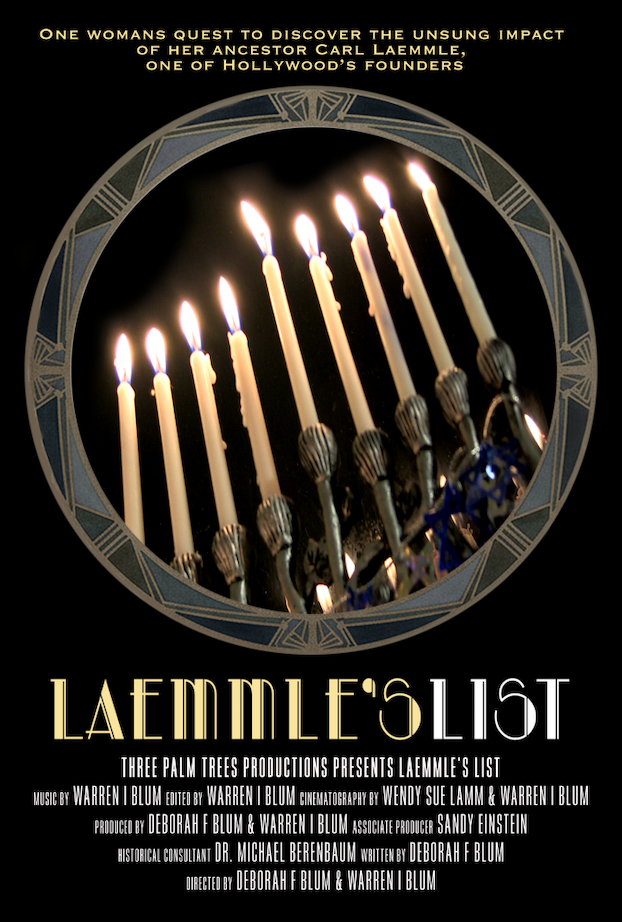
I especially enjoyed the creative visual style of the film. The documentary incorporates special effects and silent-era-inspired sequences that make the experience more immersive and cinematic. These artistic touches add charm and energy while honoring the early days of Hollywood that Carl Laemmle helped create. The film balances historical information with warmth and accessibility, making it both educational and genuinely pleasant to watch.
Another meaningful aspect of the documentary is its emphasis on hope, compassion, and human responsibility. Laemmle’s List does not focus only on tragedy, but also on the individuals who chose courage during dark times. The film reminds us that history is shaped not only by governments and wars, but also by ordinary people willing to act with empathy and conscience.
In an era when empathy often feels in short supply, Laemmle’s List offers a powerful reminder that courage can exist quietly, through letters, sponsorships, and human connection.
From a filmmaker’s perspective, I was also happy to see From the Heart Productions involved as a fiscal sponsor, supporting independent films that preserve important stories and cultural memory. The creative team behind the documentary also includes acclaimed cinematographer Wendy Sue Lamm and Holocaust scholar Dr. Michael Berenbaum, whose contributions help ground the project in both visual artistry and historical depth.
Laemmle’s List is thoughtful, emotionally resonant, and inspiring. It succeeds not only as a historical documentary but also as a meditation on legacy, remembrance, and the power of human kindness across generations.
I highly recommend that audiences attend the screening at the Los Angeles Jewish Film Festival and experience this meaningful documentary for themselves. In a time when empathy and understanding feel increasingly important, Laemmle’s List offers a beautiful reminder that one person’s compassion can help change countless lives.
As the film so beautifully reminds us, “We’re all like shooting stars because when we help others, then our light is traveling and we’re sharing our light.”