15 October
Two First-Place Prizes for Carmen Dilara Bağış in Minerbio 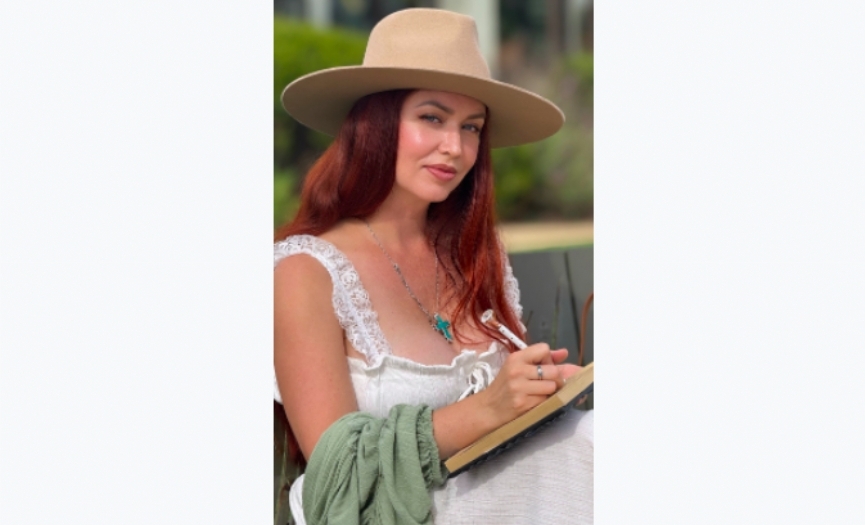
By Bessy ADUT
I was born on May 12, 1984, in a small village in Russia, surrounded by the wild beauty of nature. Raised in a large family, I was the youngest of three siblings. My mother, a dedicated nurse, and my father, who worked in the agricultural sector, instilled in me the value of hard work and the importance of human connection. But it was nature that truly shaped me—its vast fields and whispering forests were my playground. I often found myself walking through the woods, lost in daydreams, creating entire worlds in my mind. The lack of children my age meant I spent my time crafting stories, imagining grand adventures and heroic journeys. These stories, born from the land I loved, became the seed of my writing.
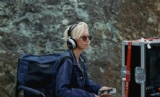
After university, I worked in a variety of fields, but my heart always belonged to the film industry. Since childhood, I had dreamed of bringing my stories to life on the big screen. I entered the film world and found myself working alongside renowned directors and producers on the sets of many projects. My journey began humbly as a talent assistant, performing small tasks like fetching tea and coffee. But even in these quiet moments, I observed the way stories were made—the way every detail, no matter how small, was vital in creating the magic of cinema. I was like a sponge, absorbing everything I could about the craft, watching how each department—props, costumes, lighting, and camera—worked in harmony to create a story.
As I tried my hand in various departments, I realized that my true strength lay in my ability to understand people—to capture their emotions, their motivations, and their dreams. Eventually, I became the second assistant to the director, a role that allowed me to witness firsthand how a story came together from behind the scenes. With every project, I honed my storytelling abilities, learning the art of pacing, conflict, and resolution.
I wanted to tell my story—one that could inspire others, one that could take them on the same kind of adventures I had imagined as a child. So, I made the bold decision to move to Hollywood. I had visited twice before, working small jobs on sets and photoshoots, but I knew that wasn’t enough. I had to be in the heart of the industry, creating stories that would resonate on a global scale. I stayed, but the journey was far from easy.
I struggled to find my footing. I took on any job I could find—babysitting, washing dishes, working as an assistant in various companies—while my passion for film and writing burned in the background. But it wasn’t until I started visiting friends on set or sitting in theaters, watching films, that I realized the only place I truly belonged was in the center of the action. I could feel the stories calling to me, pulling me forward, and I knew that if I wanted to be a part of that world, I had to create my own.
So, I turned back to writing. My hard drive was filled with old manuscripts, ideas that had simmered in my mind for years. As I reread them, a new spark of inspiration ignited. I thought about a friend who dreamed of joining a street dance community but was paralyzed by the fear of not being accepted. She thought she wasn’t good enough. That’s when the idea of Fear as a person, a character who danced alongside her, came to life. In this dance, she would confront and overcome her fears—just as I had always done in my writing.
I poured my heart into creating this story and turned it into a short film. I showed it to my friend and producer, Mark Buntzman. He loved the idea and, though he is no longer with us, his belief in me and my work was a turning point. He and his wife, Jenya, would sit with me on the carpet, sharing tea and snacks, and we would talk about fears—about how to overcome them, how to move past what holds us back. These moments, full of magic and inspiration, shaped not only my work but my very approach to storytelling.
Inspired by their unwavering support, I decided to build an entire universe around the concept of overcoming fear. Years passed, and I completed the book. It took another two years to edit it, to perfect the story, and to create a cover that captured the essence of what I had built. Along the way, I met my husband, and together, we presented the book as a movie and series concept. I also finished the second and third parts of the story, knowing I was creating something truly special.
In 2024, when I became pregnant, I slowed down my work on the books, but now, with our child by our side, we’re back on track. We’re ready to launch the campaign for the first book, with complete faith that one day, my story will be brought to life on the big screen. I know that through my words, through my ability to create worlds and characters, I will continue to inspire others to face their fears and embrace their own adventures. And in that, I’ve already begun to live the adventure I always dreamed of.
Where are you located?
LA
What are your current projects?
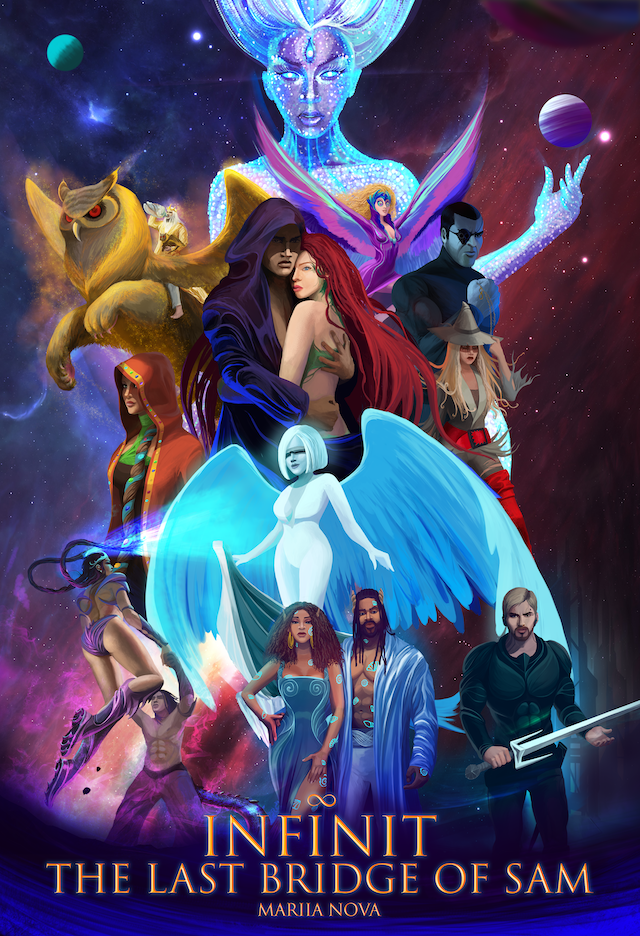
NOVA WORLD trilogy - a spiritual sci-fi book.
How did you get started and what led you to where you are today?
I feel like I’ve been preparing for this project my entire life. As a child, I wandered fields with a notebook and pen, sketching worlds and jotting down adventures until I found a quiet spot in nature to finish a story. Over the years, that habit became craft: I learned to compose scenes, shape mood, and trust the small details that make speculative worlds feel true.
Eventually, I wanted those inner landscapes to exist beyond paper, so I began directing—first music videos and shorts, then art films. In art videos, I discovered a freedom to blend image, sound, and narrative that matched how my imagination works. After I moved to the United States in 2014, a story about a girl confronting her fear of dance opened into something far larger. That single thread turned into a twelve‑year journey of research, making, and revision.
The result is my first sci‑fi trilogy: INFINIT — The Last Bridge of Sam, INFINIT — The Love of Mother, and INFINIT — The Way of Heart. Each book feels like the culmination of those childhood wanderings, the lessons from filmmaking, and a long, patient insistence on translating my inner maps into worlds readers can enter.
Has it been a smooth road?
Far from it — especially as an immigrant. I juggled multiple jobs for years, working days that paid the bills and nights that belonged to the book. I learned to carry stories in my head like a secret tool: while stocking shelves or folding laundry, while waiting tables or commuting, I’d let scenes play out quietly behind my eyes. The grind of work seeped into the fiction; minor cruelties, small kindnesses, the odd glimpses of strangers became raw material I transmuted into something uncanny and luminous.
Those years taught me discipline and a strange kind of economy of imagination — how to write in the margins, how to turn exhaustion into focus. They also taught me resilience: every rejection, every late deadline, every rented room lit by a single lamp pushed me deeper into the worlds I was building. What could have been defeat became fuel. In hindsight, the difficulty was part of the apprenticeship. It hardened my resolve and filled my work with the textures of real life, so the fantastic always carries a heartbeat you can recognize.
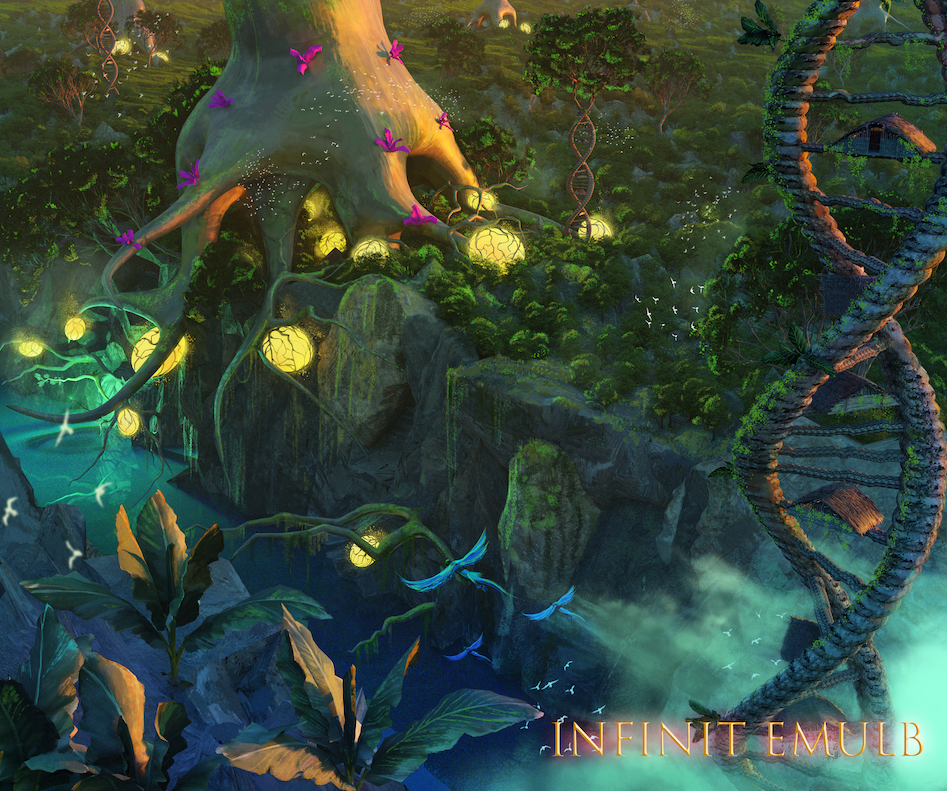
Could you tell us more about your life and career?
My life is quietly beautiful — I live inside a dream I can shape. I build whole worlds from the images in my head, and nothing delights me more than writing them down. I experimented with scripts, but my true gift lives in novels; so I have cultivated my career as an author — tending a writer’s vlog, drafting new books, and letting the stories I love take form on the page.
What do you think goodness is?
Goodness, for me, is the quiet courage that builds bridges — the same bridges I write about in INFINIT: The Last Bridge of Sam. It’s the patient impulse to repair what’s broken, to carry light into places of shadow, and to choose connection over isolation even when survival feels safer. Growing up wandering fields with a notebook, then years of juggling jobs as an immigrant while carrying stories like secret tools, taught me that goodness is not a grand gesture but steady labor: the small mercies, the risking of comfort to protect another, the persistence to turn hardship into care.
In Sam’s story, goodness shows as refusal — refusal to let fear close the passage between worlds, refusal to let pain calcify into cruelty. It is the braid of human tenderness and machine logic that heals a wounded world: tending, translating, and guiding others across the inner bridges we all carry. Practically, goodness is the daily choice to listen, to act gently, and to make art that remembers the human heart beneath the future’s shine.
Who are you outside of your professional life?
Mom, librarian and an adventurer.
Are you interested in environmental issues?
Yes.
Do you think the world is not in a good place right now?
Yes. I believe humanity must come together to heal and protect the planet. We’ve reached a point where individual actions help, but systemic cooperation—between communities, nations, and technologies—is essential to reverse damage and preserve biodiversity. Protecting ecosystems means more than cleaning plastic from shores; it requires restoring soil and watersheds, protecting pollinators, reforesting strategically, ending extractive practices that sacrifice future generations, and designing cities and industry around regeneration rather than depletion.
In my third book I imagined underground cities where people lived not out of escape but out of choice: to leave the surface wild and recovering, to let forests and rivers reassert themselves without constant human pressure. That idea is an invitation to rethink settlement patterns, to design human habitats that minimize footprint and maximize space for nonhuman life. It’s also a moral argument—if we can redesign where and how we live, we can preserve landscapes and species that have no voice in our policy debates.
Practically, this means promoting renewable energy at scale, investing in circular economies, restoring degraded lands, and protecting indigenous stewardship practices that have kept ecosystems healthy for centuries. It means centering science and local knowledge in decision‑making, and teaching future generations to see themselves as part of an ecological web rather than its masters. Fiction lets me explore those futures imaginatively—how technology, empathy, and sacrifice might align to let the world be what it should be—and, I hope, to inspire readers to demand real policies that make such futures possible.
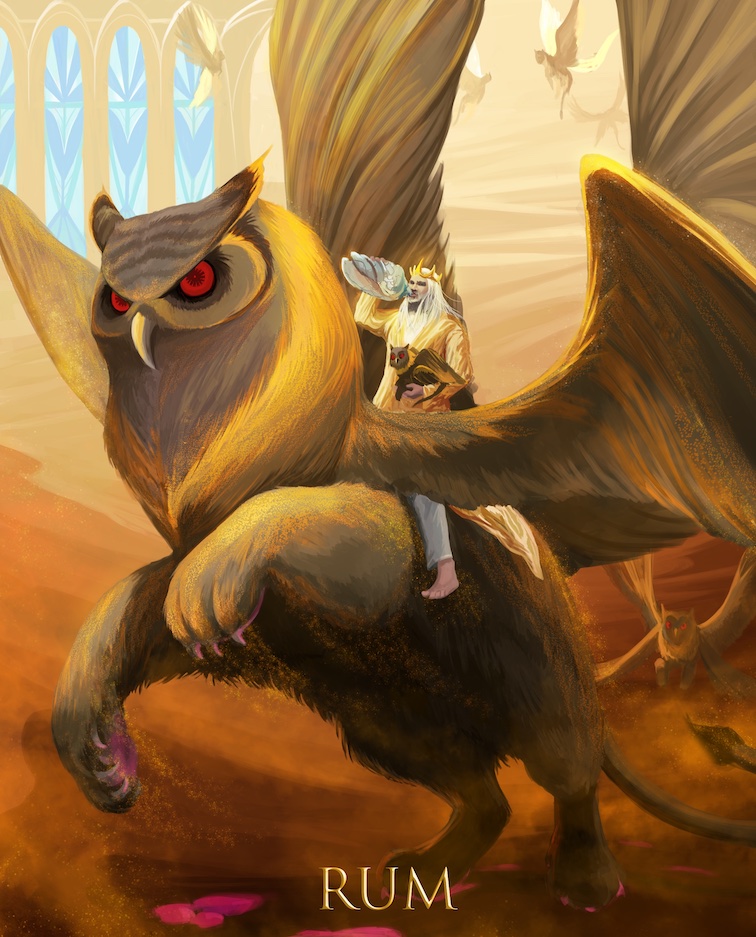
How do you make the world a better place?
I dive deeply into biology, chemistry, and physics and use those sciences as the scaffolding for the magical worlds and creatures in my books. By grounding fantastical elements in real principles—how ecosystems circulate energy, how cellular systems adapt, how materials behave under stress—I create imagined systems that feel plausible and emotionally true. Readers absorb those details almost unconsciously: the science lends internal logic to the magic, so the wonder reads as if it could exist.
Beyond research and imagination, I put ideas into practice. I volunteer in park cleanups, care for injured animals, and support conservation initiatives through donations. Those hands‑on efforts inform my fiction as much as the textbooks do; they keep me connected to the living systems I write about and remind me that stewardship is both imaginative and practical.
How can we all make the world better?
I'd say that by tenderly exploring the world within, we discover how closely it mirrors the world outside. Both inner and outer worlds need our gentle attention and steady care.
How can science and spirituality coexist?
In INFINIT, science and spirituality are not opposites but two languages describing the same architecture of meaning. The trilogy imagines bridges — neural, material, and symbolic — that connect inner worlds to outer realities. Science maps the structure of those bridges: neural pathways, engineered interfaces, and ecological feedback loops. Spirituality names the purpose that animates them: compassion, stewardship, and the longing for connection. When read together they become a practical theology of care. The seven worlds also get a very spiritual meaning as they represent seven chakras of our spiritual body.
Grounding mythic elements in biology, chemistry, and physics gives the fantastic a logic readers can trust. Machines that tend a recovering Earth in my world follow rules of systems science and materials engineering; those technologies are framed by rituals and prophecies that orient human behavior toward repair rather than extraction. The result is a culture where ritual and measurement reinforce each other: a ceremony that marks the seasonal recalibration of a reclamation field is backed by sensors and data, and the data are interpreted within a narrative that gives people moral reason to act.
Spiritual practices in INFINIT — listening to the bridges inside you, honoring the memory-cores, tending community rites — are ways of aligning attention. Science supplies methods to make those practices scalable and safe: neural maps reveal which trainings cultivate empathy; ecological monitoring shows which interventions restore biodiversity. Neither side pretends to solve the other’s mysteries; instead, they form a feedback loop. Spiritual insight motivates care; scientific rigor measures its effects.
Ultimately, the trilogy proposes a covenant: technologies must be designed to deepen belonging, and spiritual frameworks must be informed by reality. That synthesis turns wonder into stewardship, prophecy into policy, and inner transformation into practical repair for the living world.
If you could go anywhere, where would you go, and why?
On the set of "DUNE"; I want to see the process of how they shoot such a massive idea.
Please provide shareable links (website, social media)...
Instagram: @book_infinit
TikTok: Mariia Nova_Sc-fi Writer