18 September
Gamze Terra and A Warm Gaze 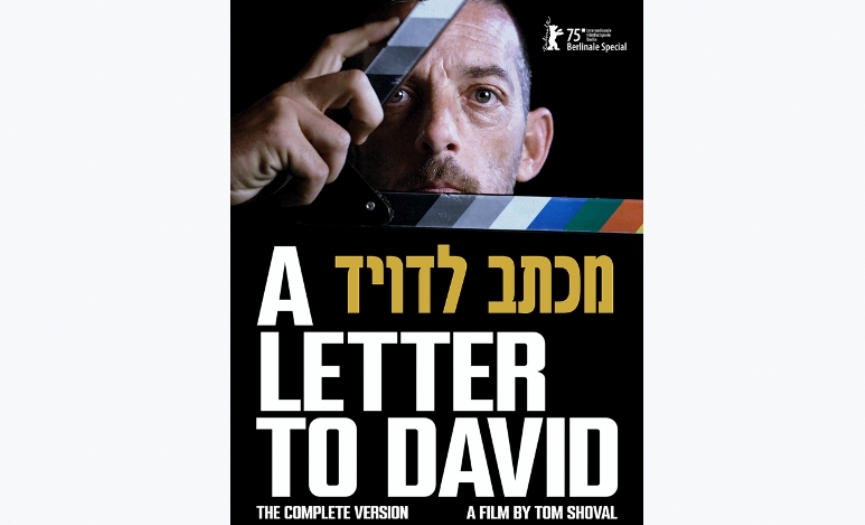
By Bessy ADUT
I was invited to a private screening of A Letter to David by the Jewish Storytellers community, whom I had the pleasure of meeting through the Los Angeles Jewish Film Festival events over the years. The screening took place at Creative Artists Agency, also known as CAA, which honestly felt surreal for me as a filmmaker and storyteller. Walking into a place I dream of someday being represented by carried its own emotional energy and inspiration.
I was also happy to reconnect with Nancy Spielberg, whom I had previously met at Furman University during another film screening and Q&A event some time ago. Nancy Spielberg, sister of Steven Spielberg, is among the producers of the film. During the Q&A, it became clear how personal this project was for many involved behind the scenes. Nancy had been visiting Israel during the October 7 attacks and was deeply affected by the events, later becoming connected to the film through Jake Paltrow and director Tom Shoval.

Nancy Spielberg & Bessy Adut
When Fiction and Reality Collide
Directed by Tom Shoval, A Letter to David is not a conventional documentary. It feels more like a cinematic conversation across time, memory, grief, and hope. The film revisits footage connected to actor David Cunio and his twin brother, who years earlier starred in Shoval’s 2013 feature Youth.
What makes the documentary so haunting is the almost unbelievable parallel at its center.
In Youth, the twins portrayed brothers connected to a fictional kidnapping storyline. Years later, reality mirrored fiction in a heartbreaking and surreal way when David Cunio was abducted during the October 7 attacks from Nir Oz and taken hostage into Gaza. Suddenly, scenes once written as fiction gained devastating new emotional meaning.
The film explores this overlap between cinema and reality in a way that feels deeply unsettling yet profoundly moving.
The Power of Parallel Editing
What particularly moved me about A Letter to David was how beautifully it blends narrative filmmaking with documentary storytelling. Through parallel editing, archival footage, audition tapes, behind-the-scenes moments, scenes from Youth, and present-day reflections all flow together almost like memories colliding with reality.
Watching fictional scenes echo real-life events creates a strange emotional experience where cinema itself seems to become prophetic.
But the film never feels exploitative. Instead, it becomes an exploration of memory, trauma, coincidence, brotherhood, and the mysterious power of storytelling itself.
It was a very humanistic, unique, and deeply touching story, filmed and edited beautifully. You can genuinely feel how much heart, care, pain, and love went into making this documentary. The emotional reactions in the audience around me were undeniable. The film does not simply present information. It invites reflection, empathy, and conversation.

Brotherhood Beyond Politics
More than politics, what stayed with me most was the bond between the twins. Their connection felt intimate, emotional, and universal. You could feel the pain of separation not only through words, but through silence, old footage, glances, and absence itself.
I found myself emotionally invested not simply because I am Jewish, but because I am human.
Their connection, their family, their children, and their losses transcend religion, nationality, and borders.
To me, this is also about what cinema can do for humanity, empathy, and dialogue. That is what gives the film its emotional depth. What makes A Letter to David so effective is that it works beyond identity or religion. It reaches toward something fundamentally humanistic. Even if someone comes from a completely different culture or belief system, they can still understand the fear of losing someone, the pain of separation, and the love between brothers.
Stories Need to Be Heard on All Sides
One thought I shared with Nancy Spielberg after the screening was this: stories like this need to reach wider audiences, including Muslims, Christians, and people from every background. If we want empathy and understanding, people need to witness each other’s pain and humanity.
At the same time, we need to hear stories from the other side as well. Suffering cannot be understood through only one lens. There has been immense pain, grief, fear, and loss across multiple communities.
What I appreciated about this film is that it opens a door for conversation instead of shutting it down.
In a world where antisemitism is rising again and divisions are becoming deeper, films like these can help humanize experiences that many people only discuss politically from a distance. Cinema has the power to remind us that behind headlines are real families, friendships, memories, and lives.

A Story That Continued Beyond the Film
Another extraordinary twist of fate surrounding the film is that David Cunio was eventually released nearly six months after the documentary’s release in Israel, something even the filmmakers themselves did not anticipate while making it.
Knowing that the story continued evolving beyond the film adds another emotional layer to the experience, almost as if reality itself refused to stay confined within the frame. Tom Shoval later announced plans to revisit the ending, which somehow feels fitting for a film so deeply connected to life unfolding in real time.
Festival Journey and Recognition
The documentary first premiered at the 75th Berlin International Film Festival in the Berlinale Special section, where it quickly attracted international attention for its emotional storytelling and unusual blending of fiction and reality.
Following Berlin, the film screened at major festivals including the Karlovy Vary International Film Festival, Doc Edge, and the Mar del Plata International Film Festival. It also appeared at Jewish film festivals in Berlin, San Francisco, Toronto, and London.
Film critic Jordan Mintzer of The Hollywood Reporter praised the film’s haunting emotional impact and the lingering images of the Cunio brothers caught between cinema and real-world tragedy. Film scholar Pablo Utin described the film in Haaretz as a powerful combination of personal letter, philosophical essay, activist film, and documentary.
The film later won Best Documentary at the Ophir Awards, a recognition that feels deserved not only because of the filmmaking itself, but because of the emotional courage behind the project.

Bessy Adut at Creative Artists Agency (CAA)
Final Thoughts
Ultimately, I left the screening feeling that diplomacy, coexistence, communication, and finding a middle path rooted in compassion are the only sustainable ways forward. Otherwise, humanity risks remaining trapped in endless cycles of violence, hatred, and revenge.
Films like A Letter to David remind us why storytelling matters in the first place: to help us see each other more fully as human beings.
I am also grateful to the filmmakers, producers, Jewish Storytellers community, and everyone involved in creating such a thoughtful evening centered around cinema, humanity, and dialogue. As both a filmmaker and storyteller myself, experiences like this continue to inspire me and remind me of the power films have in connecting people across backgrounds and perspectives.
★★★★★ from me.
With gratitude...