25 September
The Eggplant´s culinary journey woven into Jewish history 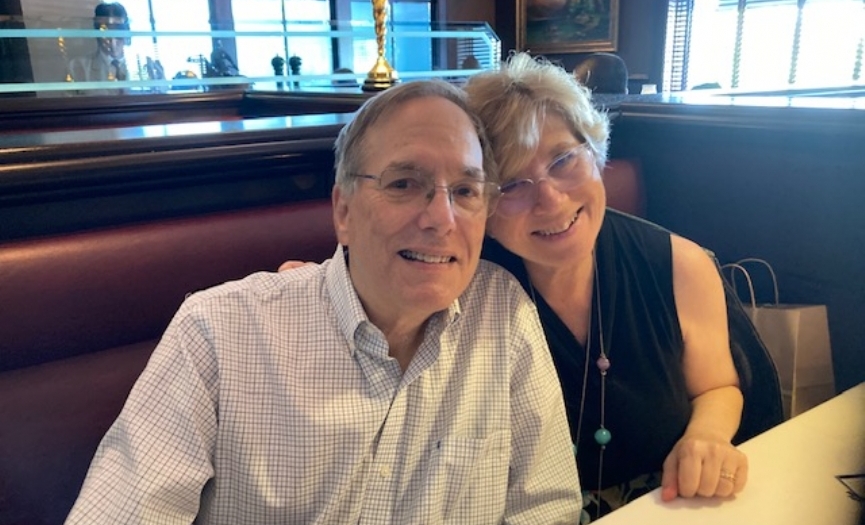
By Bessy ADUT
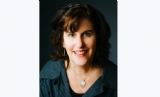
Judi Uttal is a nonprofit leader, autism advocate, and former high-tech marketing executive dedicated to creating meaningful opportunities for neurodivergent individuals in the entertainment industry. As the co-founder of Autism In Entertainment and former President of Autism Society Orange County, Judi has spent years building programs, partnerships, and communities focused on inclusion, employment, mentorship, and advocacy.
A graduate of the University of California, Los Angeles with a degree in Math and Computer Science and an MBA from Carnegie Mellon University, Judi spent more than 30 years working in high-tech marketing before dedicating much of her time to autism advocacy and workforce development.
Her advocacy journey began through her son Joshua, whose autism diagnosis inspired her lifelong commitment to supporting not only her own family, but the broader autism community. Judi became a leader in helping introduce and expand the use of Toastmasters International programs for autistic individuals, recognizing the powerful role communication and self-advocacy skills play in helping people find their voice, build confidence, and develop social and professional connections.
Over the years, Judi has helped launch innovative programs focused on communication skills, career development, and employment pathways for autistic individuals.
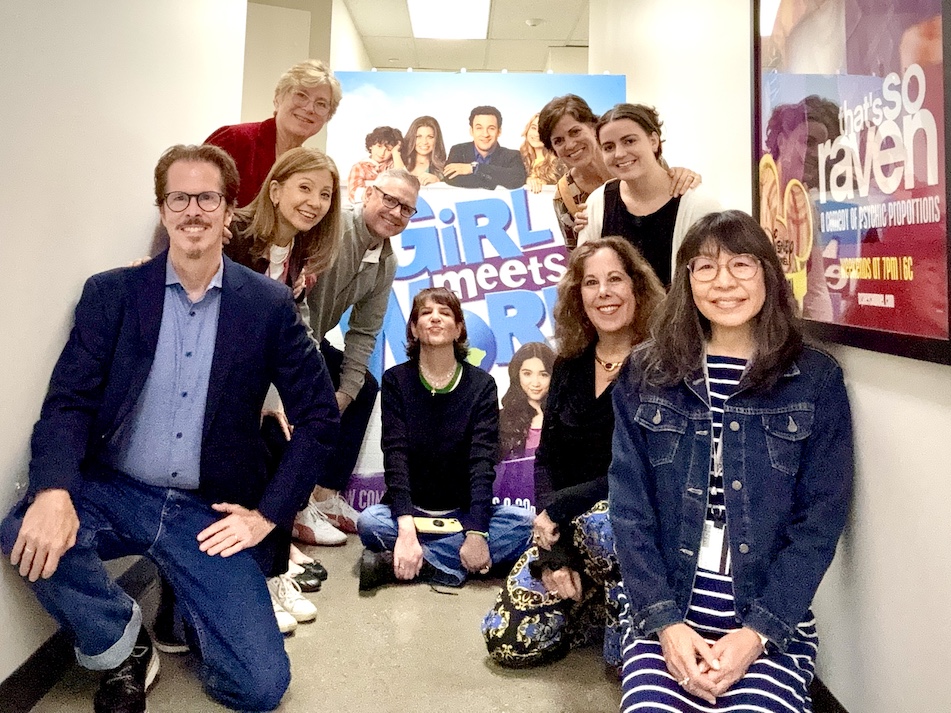
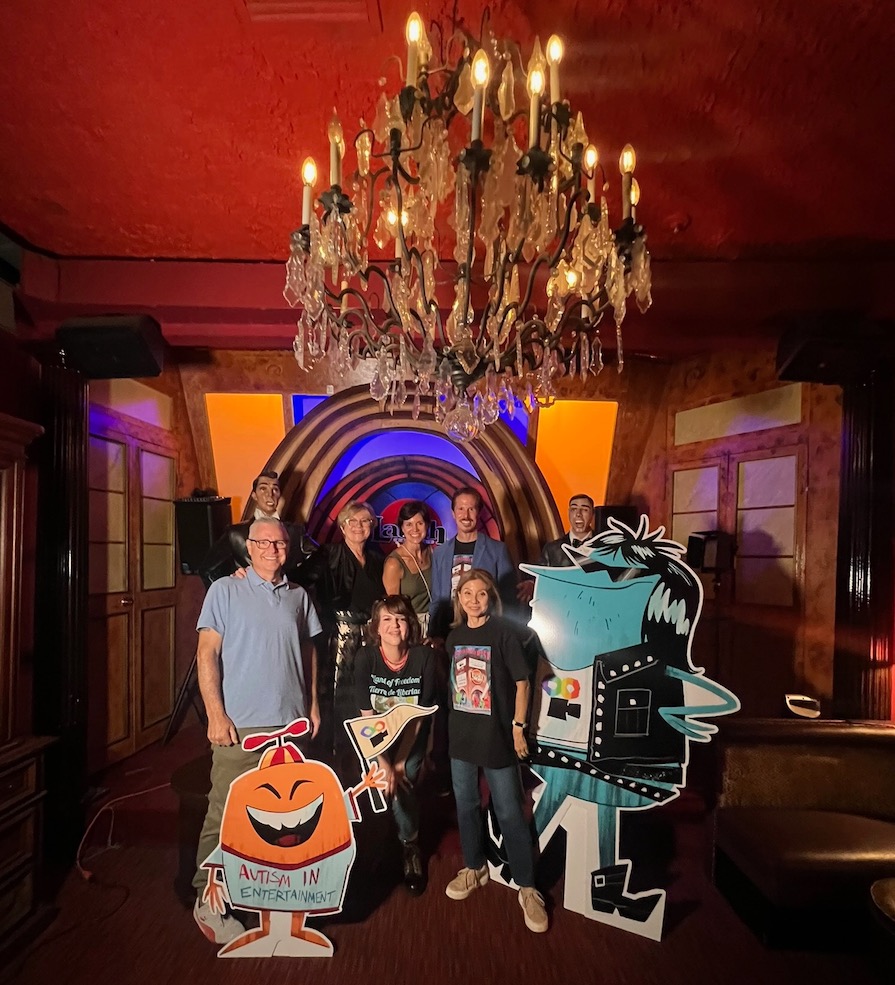
In 2022, Judi helped launch Autism In Entertainment to address the lack of industry-specific employment initiatives for neurodivergent talent. The organization works to increase representation and career access across film, television, animation, gaming, and digital media through partnerships, education, networking, and workforce development.
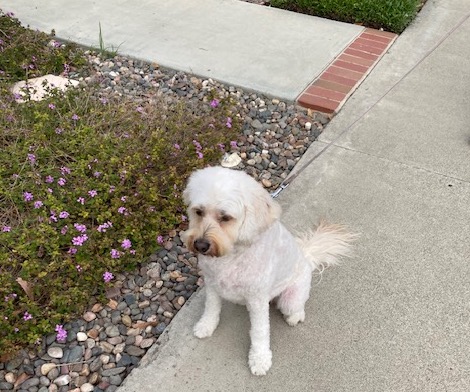
Outside of her professional work, Judi enjoys travel, entertainment, community building, and spending time with family, friends, and her dog Ellie.
Where are you located?
Irvine, CA
What are your current projects?
Right now, much of my work is focused on expanding opportunities for neurodivergent professionals through Autism In Entertainment. We are building partnerships with studios, production companies, educational institutions, and employers to create real pathways into careers in entertainment. We’re also continuing to grow our conference, networking opportunities, mentorship initiatives, and employer outreach efforts. One of the things I’m most excited about is helping move the conversation beyond awareness and toward long-term employment and inclusion.
How did you get started and what led you to where you are today?
Much of my journey began with my son Joshua, who was diagnosed with high-functioning autism at the age of three. Like many parents, I worked hard to make sure he had the best possible opportunities and support growing up. But from the beginning, I was never only thinking about my own child — I was also thinking about the needs of his classmates, peers, and the broader autism community. Advocacy naturally became part of my life.
When Josh turned eighteen, we began preparing for adulthood and employment. One important step was participating in a pilot of the UCLA PEERS program, where we learned about the importance of social connection and community involvement. One recommendation was that young adults join clubs and organizations. That sparked an idea for me: why not create Toastmasters opportunities specifically designed to support individuals with autism in developing communication and confidence skills?
That experience led me to become deeply involved with the Autism Society of Orange County, formerly the Orange County Asperger’s Support Group, where I eventually served as president for ten years. Because my professional background is in marketing, I approached things strategically and conducted surveys with our members to better understand their biggest concerns. Overwhelmingly, the top issue was employment and careers.
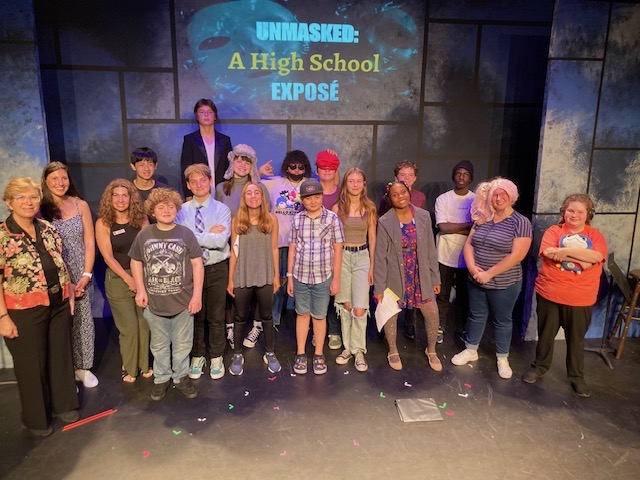
As a result, much of my work focused on expanding employment opportunities for autistic individuals. Then, when Josh graduated from California State University, Fullerton with a degree in Television and Cinema Arts, I began looking more closely at the entertainment industry itself. What I realized was that many employment programs for autistic individuals were very broad and generalized. They often didn’t align with people’s actual passions, talents, or career goals, and because of that, they weren’t always successful.
That realization led to another idea: creating a dedicated initiative focused specifically on increasing opportunities for autistic individuals within the entertainment industry. I began sharing the concept with others and quickly found like-minded professionals, advocates, educators, and industry leaders who believed in the mission. In May 2022, we officially launched Autism In Entertainment, and since then, we’ve been working to create meaningful pathways into entertainment careers through advocacy, partnerships, education, mentorship, and employment opportunities.
Has it been a smooth road?
Not at all — but meaningful work rarely is. Building partnerships and changing industry culture takes time, persistence, and relationship-building. There have certainly been challenges around awareness, funding, and helping people understand that neurodivergent talent is a tremendous asset to the entertainment industry.
At the same time, we’ve also had to navigate a number of major industry-wide disruptions that directly impacted our work. While we were planning our conference, the Writers Guild and SAG-AFTRA strikes brought much of the entertainment industry to a standstill. More recently, changing attitudes toward DEI initiatives and shifts in funding following the 2024 election created additional uncertainty for many organizations focused on inclusion and advocacy. The Eaton and Palisades fires were also incredibly disruptive for many people and communities connected to the industry.
Beyond that, the entertainment business itself is rapidly evolving — with major shifts from traditional television and theatrical models toward streaming platforms, and now the growing impact of artificial intelligence. All of these changes have made it even more challenging to keep organizations and employers focused on inclusion and workforce development.
But despite those obstacles, I’ve also been fortunate to work alongside incredible advocates, educators, employers, families, and community leaders who believe deeply in this mission. Those collaborations, relationships, and shared commitment to creating opportunities are what continue to move the work forward.
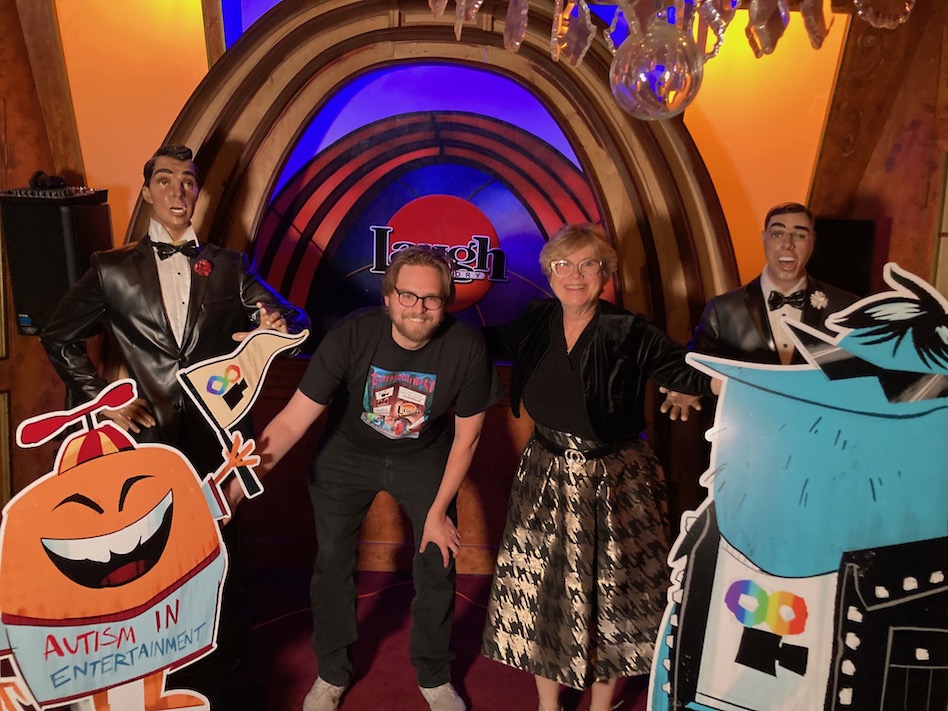
Could you tell us more about your life and career?
Much of my life and career has centered around community-building, advocacy, and helping create opportunities for people who are often overlooked. I grew up in Pacific Palisades surrounded by the entertainment industry, so storytelling and creativity were always part of the environment around me.
Professionally, though, I initially chose a different path and built a career in high tech. I graduated from the University of California, Los Angeles, with a degree in Math and Computer Science, and later earned my MBA from Carnegie Mellon University. Over the course of more than thirty years, I worked in high-tech marketing for both major companies and startups, including Intel, Veritas Technologies, and Symantec. That experience taught me how to build organizations, develop partnerships, communicate strategically, and bring people together around a shared mission.
At the same time, much of my personal journey became deeply connected to autism advocacy through my son Joshua and through my involvement in the autism community. Over time, those two worlds — business and advocacy — really came together. Through Autism In Entertainment, I’ve had the opportunity to combine my professional background, my passion for inclusion, and my belief in the power of storytelling to help create meaningful career pathways for neurodivergent individuals.
What motivates me most is seeing talented people gain confidence, build careers, and feel that they truly belong in an industry that shapes culture and influences how people see one another.
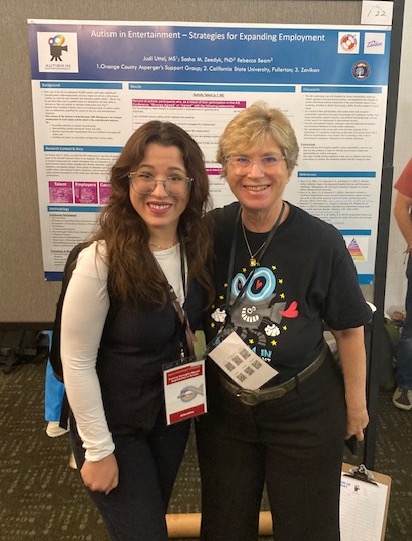
What do you think goodness is?
To me, goodness is about how we treat people — especially people who may not always feel seen or included. It’s about empathy, integrity, and creating opportunities for others to succeed. Sometimes goodness is something very simple: listening, encouraging someone, opening a door, making space at the table.
Who are you outside of your professional life?
Outside of work, I really value family, friendships, community, and experiences that bring people together. Much of what motivates me personally comes from the relationships I’ve built over the years — both within my family and through the incredible communities I’ve been fortunate to be part of. I also have a dog named Ellie, who brings a lot of joy and balance to life.
I genuinely enjoy connecting people and helping others succeed, and that carries through both personally and professionally. I enjoy travel, entertainment, creative experiences, and learning from different perspectives and cultures. I’ve always believed that some of the most meaningful moments in life come from shared experiences, conversations, and the relationships we build along the way.
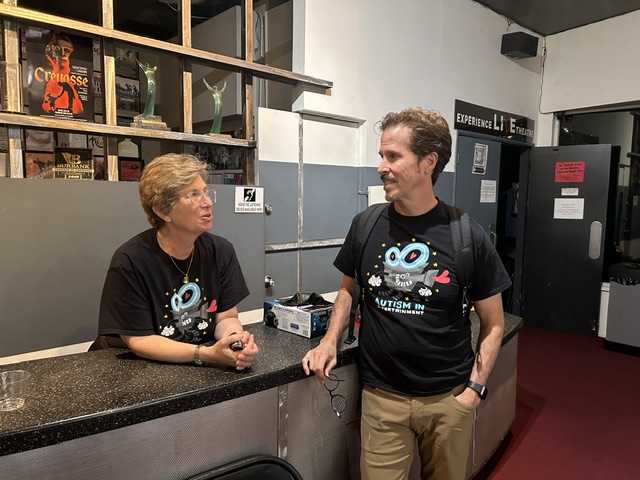
Are you interested in environmental issues?
Yes, I think environmental issues affect all of us, and I believe we all have a responsibility to think about sustainability and the long-term impact of our decisions. I also think there’s a connection between environmental responsibility and social responsibility — both are ultimately about creating a healthier and more inclusive future for the next generation.
Do you think the world is not a good place right now?
I try to make the world better by helping create opportunities for people who may otherwise be overlooked. A big part of my work is building bridges — between employers and talent, between advocacy and industry, and between people who want to help but may not know where to start. Even small opportunities can change the direction of someone’s life and career.
How can we all make the world better?
I think we make the world better by being willing to listen to one another and by creating opportunities instead of barriers. Inclusion isn’t just about saying the right things — it’s about mentorship, hiring, accessibility, and making sure people genuinely belong. Small actions matter. One conversation, one opportunity, or one act of support can have a ripple effect.
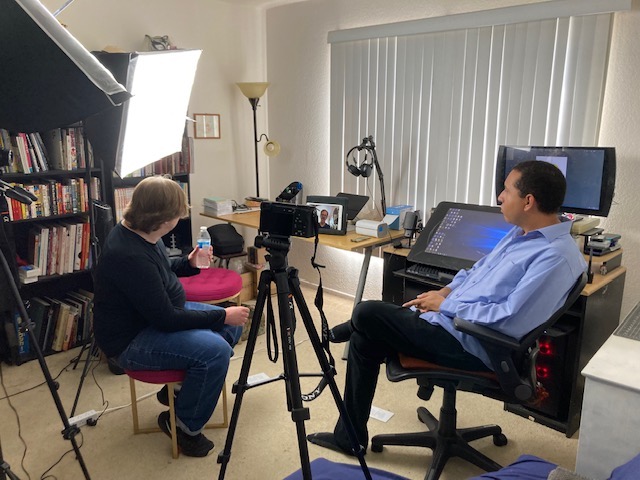
How can science and spirituality coexist?
I don’t see science and spirituality as opposites. Science helps us understand how the world works, while spirituality often helps people explore meaning, connection, and purpose. I think both can coexist when approached with curiosity, humility, and respect for different perspectives.
If you could go anywhere, where would you go (and why)?
I love traveling and have been fortunate to visit both Asia and Europe, which I’ve really enjoyed because I love experiencing different cultures, history, food, and ways of thinking. But the place that has always been at the top of my bucket list is Israel.
For me, Israel represents so much history, culture, spirituality, and resilience. It’s a place that connects so many different stories, traditions, and historical moments, and I’ve always wanted to experience that firsthand. Unfortunately, I’m not much of a risk-taker when it comes to travel, and it seems like every time I’ve seriously considered going, something has disrupted those plans — whether world events, regional tensions, or other circumstances. But it’s still a place I very much hope to visit someday because I think it would be an incredibly meaningful experience.
Is there anything else you'd like to share with us?
One thing I always want people to understand is that neurodivergent individuals bring enormous creativity, innovation, and perspective to every industry — especially entertainment. Inclusion benefits everyone. The more opportunities we create, the stronger and more representative our communities become.

Website and social media:
https://www.facebook.com/AutismInEntertainment
https://www.youtube.com/@AutismInEntertainment