30 September
Nobel Laureate Ada Yonath, who fought against antibiotic resistance, has passed away 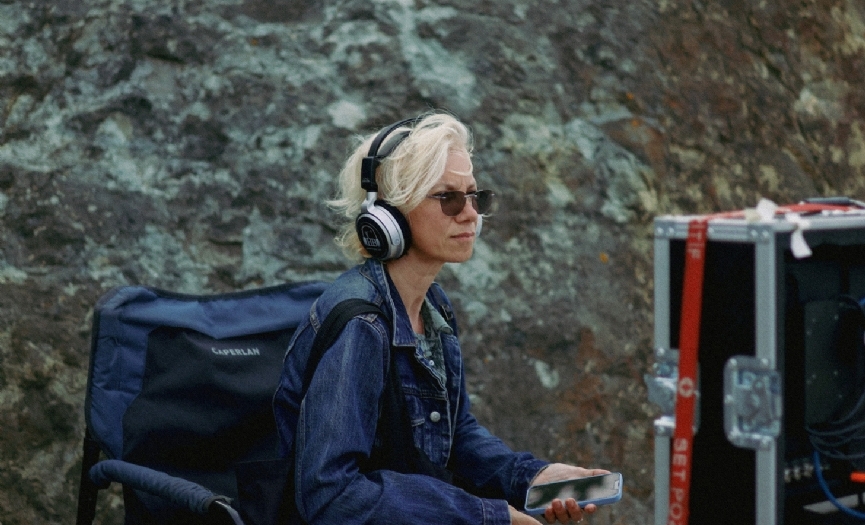
By Bessy ADUT
I first met director, screenwriter, and actress Ayçıl Yeltan during our years at CalArts, where we were both pursuing our artistic journeys. I remember her as a talented actress with a deep curiosity about storytelling. Over the years, I watched her evolve into an accomplished writer and director, developing a distinctive voice behind the camera.
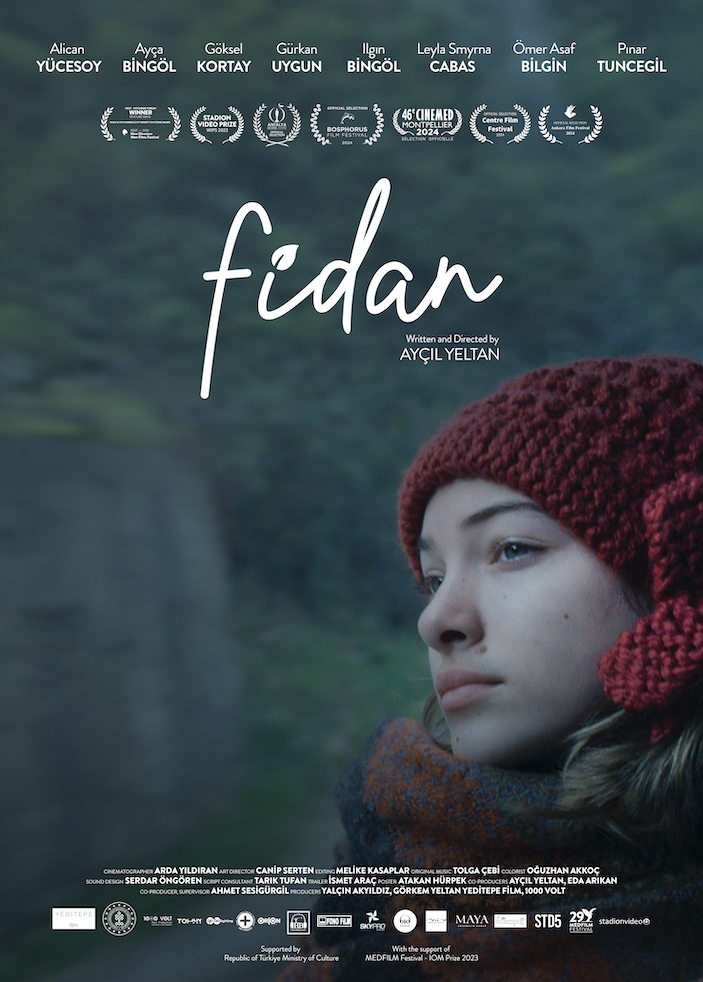
Her debut feature film, Fidan, has received international recognition, screened at film festivals around the world, earned numerous awards, and connected with audiences across cultures. Beyond its festival journey, the film also became part of an initiative that helped raise university scholarships for approximately sixty young women in rural Türkiye, demonstrating how cinema can create meaningful impact beyond the screen.
As fellow CalArts alumni and filmmakers, I was delighted to reconnect with Ayçıl to talk about Fidan, the creative journey behind the film, the remarkable people who helped bring it to life, and her continuing passion for telling deeply human stories.
Watch the official trailer:
https://vimeo.com/947886481
After earning degrees in Music and Theater from Ankara and Istanbul State Conservatories, Ayçıl Yeltan began acting at the Dormen Theater in Türkiye. She received her MFA in Acting from CalArts on scholarship and has performed in stage, film, and TV productions across Istanbul, New York, Hamburg and Los Angeles.
Her debut feature film “Fidan” won multiple awards, including Best Editing and Best Supporting Actress at the 61st Antalya Golden Orange Film Festival, and three special mentions at Cinema d’iDEA Film Festival. It was selected by major international festivals and supported by the Turkish Ministry of Culture. The film won other awards in the making, such as a film score award at the Fest Pitching Forum in Portugal, and a prize for post-production in the work in progress program at Med Film Festival in Rome.
Her short film “Topanga” earned six international awards, including two Audience Awards for Best Short Film (2019–2020).
As an educator, Yeltan has taught acting since 2006 at institutions such as CalArts, UCLA Recreation, Olympic College Film School, and Chicago Actors’ Studio. She currently teaches at her Screen Acting Studio in Chicago.
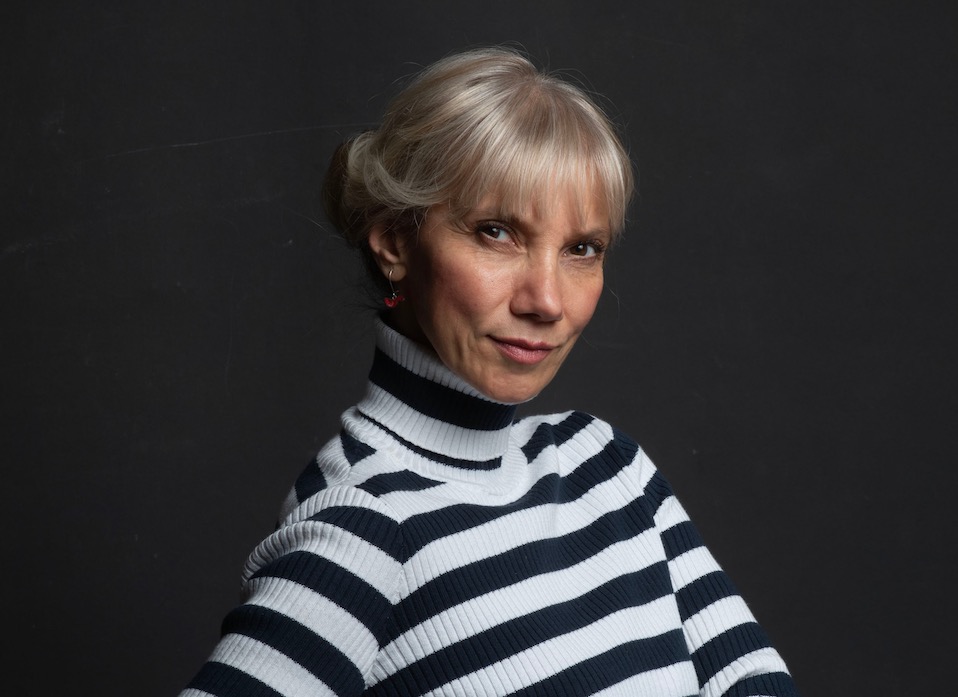
I remember you from our CalArts days as an actress. Then, years later, I started hearing about your work as a screenwriter and director, and eventually about Fidan. How did that evolution happen?
I don't think I ever set out to become a director or a screenwriter. I simply wanted to tell stories.
My artistic journey actually began with music. I studied cello professionally at the conservatory, and music became my first language. Looking back, I realize it taught me how powerful silence, rhythm, and emotion can be. Those lessons still influence the way I make films today. Then acting became my focus, and through acting I became fascinated by storytelling from a different perspective.
I had a story I wanted to tell, so I made my first short film. It was screened at film festivals and received award nominations. That experience gave me the confidence to tell another story. My second short film went on to receive six international awards. At that point, I remember thinking, "Maybe I really can do this."
That's when I began working on my first feature film. It wasn't a carefully planned career move. It was simply the next story I felt I had to tell. And that's how Fidan was born.
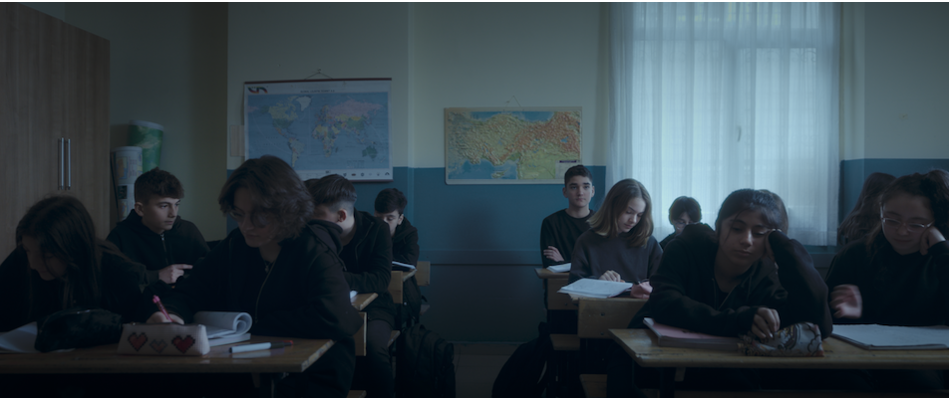
Fidan has had a remarkable journey, from international film festivals to helping support educational opportunities for young women in Türkiye. Looking back, what part of that journey has stayed with you the most?
The first word that comes to mind is gratitude.
Making an independent feature film is never a one-person journey. Looking back, what stays with me most is the people who believed in Fidan and poured their hearts into it.
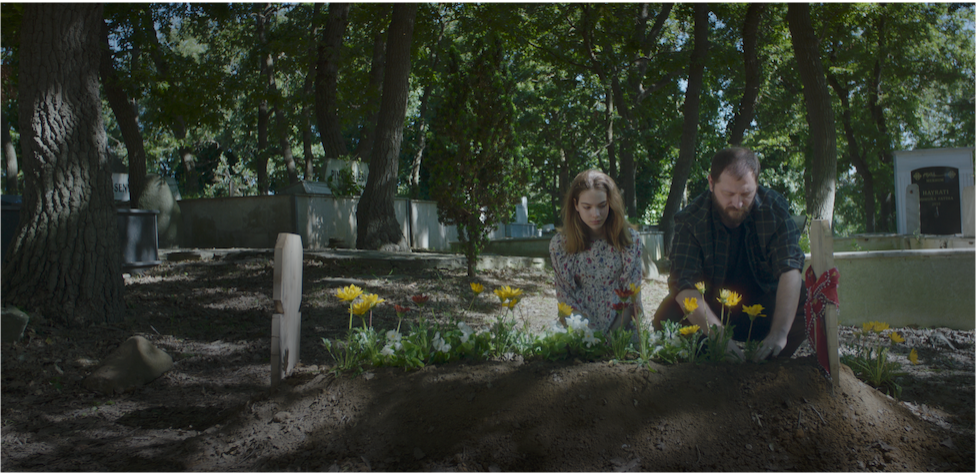
There is something magical about filmmaking. I have a strong belief that films almost make themselves if they truly want to be told and shared with the world. When a story falls into your heart and you want to bring it into the world, somehow the right people appear along the journey. The stars align. Some are people you have known your whole life, like our composer Tolga Çebi, who has been my friend since our years at the Ankara State Conservatory. Others are people you meet along the way, like our cinematographer Arda Yıldıran, our art director Canip Serten, and so many more cast and crew members whose talent, generosity, and hard work made this film possible. Above all, I am deeply grateful to my producers, Görkem Yeltan and Yalçın Akyıldız. Without their ongoing belief and incredible efforts, Fidan simply would not exist.
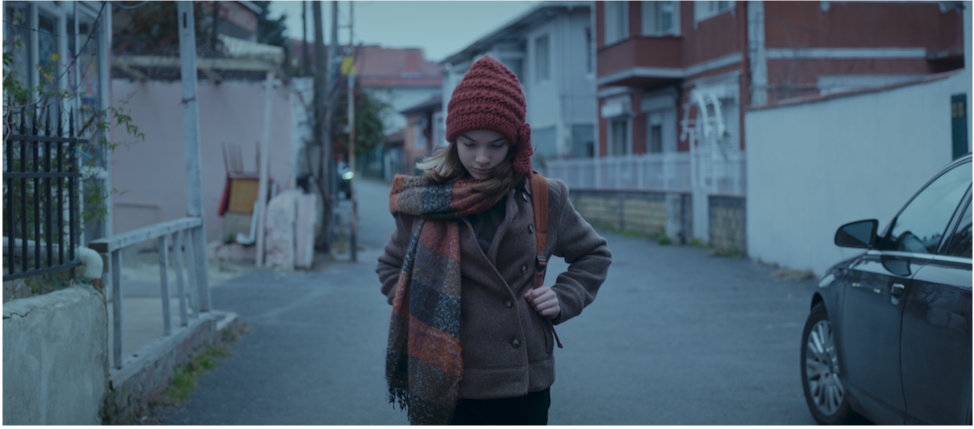
Of course, I’m grateful that Fidan traveled to festivals, won awards, and reached audiences in theaters. But the scholarships we helped raise for girls' education became the most meaningful part of its journey. As a filmmaker, I couldn't have imagined a more meaningful outcome.
Also audience members from completely different cultures shared their own stories with me. Those conversations reminded me that although Fidan is rooted in a specific place, its emotions are universal.
Looking back, I realize Fidan gave me much more than my first feature film. It strengthened my belief that storytelling has the power to connect people in magical ways.
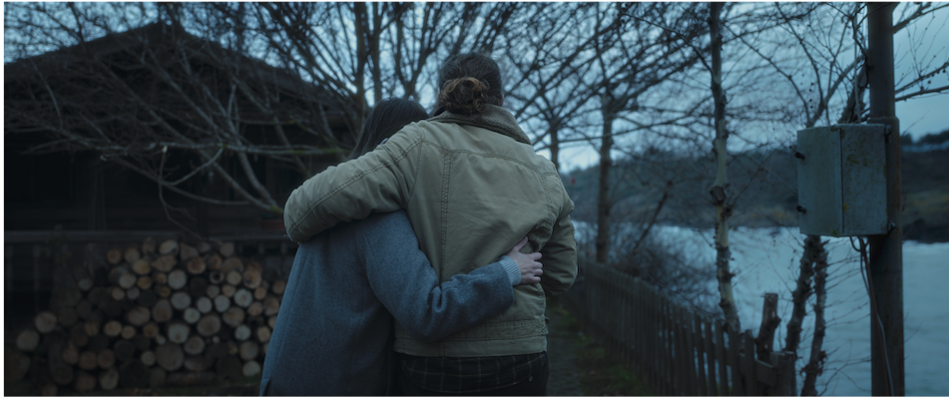
Where did Fidan begin?
Fidan didn't begin as a completed screenplay. It began with a feeling.
There was a question I kept returning to: What does it mean to make a choice when every option comes with a form of loss, especially when you are very young?
As I reflected on that question, I found myself drawing from stories of women I know, within my own family, among friends, and from my broader cultural memory. Especially the women of Anatolia, where I come from, whose strength is often quiet, collective, and deeply rooted in endurance.
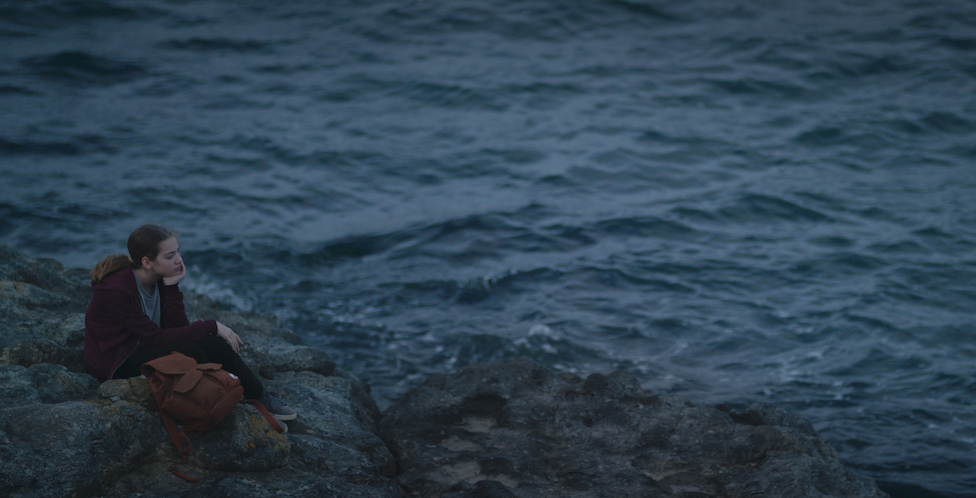
I became interested in the support system between women, how generations of women carry one another, protect one another, and sometimes make extraordinary sacrifices without ever naming them.
From there, Fidan slowly began to take shape. It became my way of honoring that invisible strength and the quiet power of women who continue supporting each other, even when the world around them feels uncertain.
I would say Fidan gradually became a story I simply needed to tell.
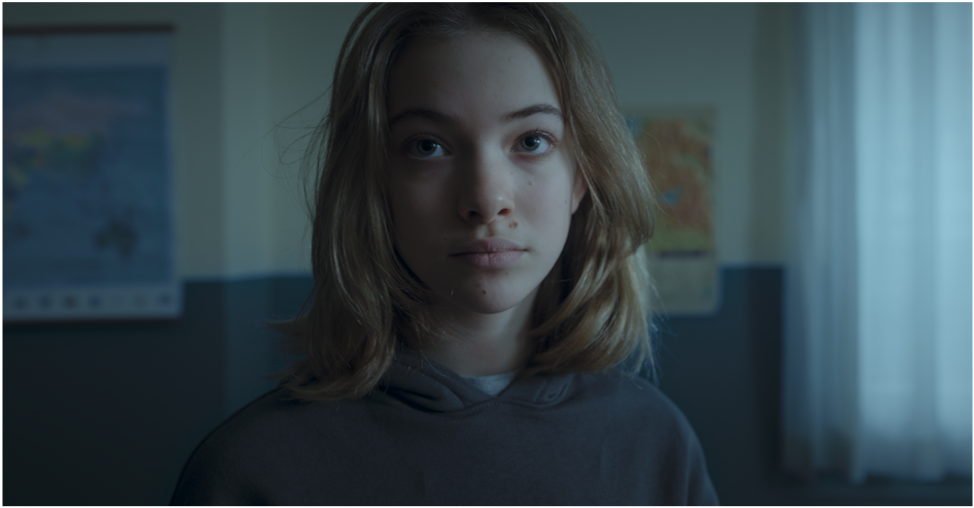
How did you cast the film? How did you find the young girl?
I already had Ayça Bingöl and Gürkan Uygun in mind for their roles. They were my classmates in theater school, and I had the pleasure of sharing the stage with them in Dormen Theatre Productions. Having Göksel Kortay join us was also very special, as I had worked with her at Dormen Theatre as well. Alican Yücesoy, Pınar Tuncegil, and Ilgın Bingöl joined later. Fidan, was portrayed by Leyla Smyrna Cabas, we found her a year before the production, and I immediately knew she was right for the role. It was her very first acting experience, and I believe she has a bright future ahead of her.
Closing
As our conversation came to an end, I was reminded of the same artistic curiosity I first encountered years ago at CalArts. Ayçıl Yeltan's journey reflects a lifelong commitment to storytelling, whether through music, acting, or filmmaking. Her thoughtful reflections on Fidan reveal not only the dedication required to bring an independent feature to life, but also her deep appreciation for the many collaborators who made the film possible.
With another feature already in development, Ayçıl continues to explore new creative paths while remaining grounded in stories that celebrate our shared humanity. I look forward to welcoming her to my podcast, Searching for Goodness, when she visits Los Angeles, where our conversation about cinema, creativity, and what connects us as human beings will continue.