18 September
Gamze Terra and A Warm Gaze 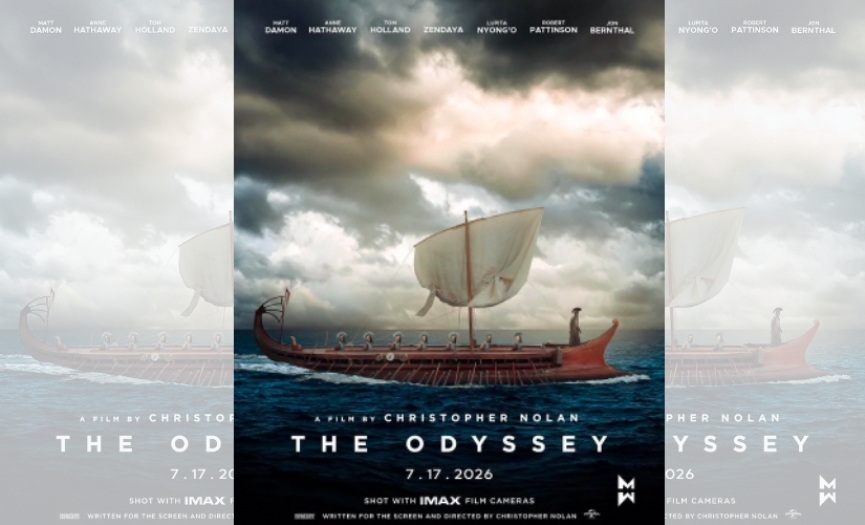
By Bessy ADUT
A Story That Has Endured for Nearly Three Thousand Years
Few literary works have influenced world storytelling as profoundly as Homer's The Odyssey. Believed to have been composed around the eighth century BCE, the epic poem has inspired countless novels, plays, paintings, operas, films, and television series. It is more than the story of a warrior returning home after the Trojan War. It is a meditation on perseverance, temptation, identity, loyalty, and the enduring hope that no matter how impossible the journey becomes, home is always worth fighting for.
Adapting such a monumental work for modern audiences is no easy task. Every filmmaker must decide whether to remain faithful to the source material or reinterpret it through a contemporary lens. Christopher Nolan chooses a path somewhere in between, honoring the mythology while crafting a cinematic experience that feels distinctly his own.
Watching The Odyssey at the historic Aero Theatre in Santa Monica in 70 mm reminded me why Nolan continues to champion film projection and theatrical exhibition. While I still hope to experience it again in IMAX, the 70 mm presentation already demonstrated why this is a film designed for the largest screen possible. Every frame felt expansive and immersive, inviting audiences into a world where myth and history coexist.
A World Between Reality and Myth
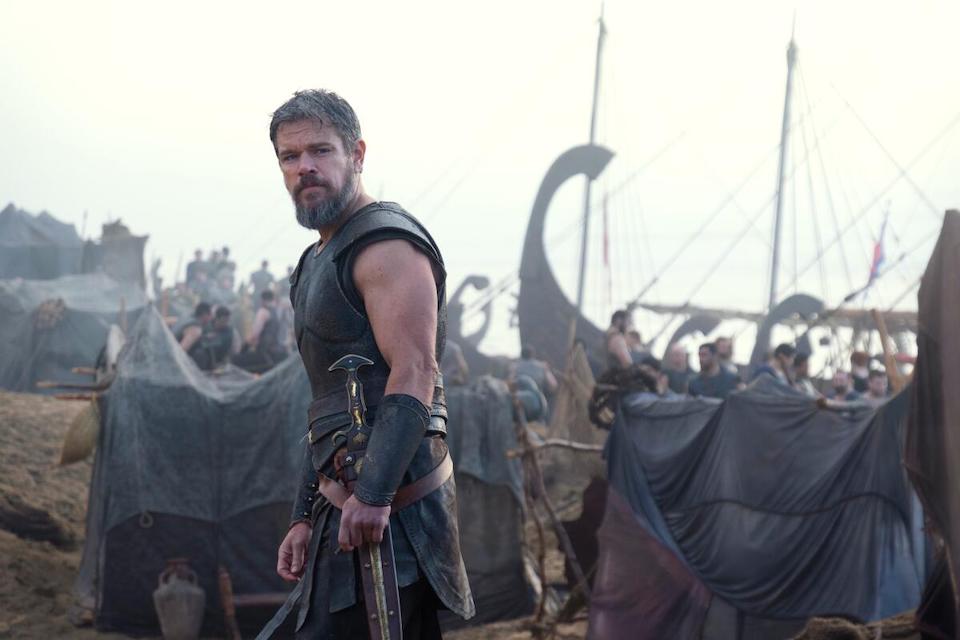
One of the film's greatest accomplishments is its ability to exist between reality and fantasy. Rather than treating mythology as simple spectacle, Nolan presents ancient legends with remarkable sincerity. The gods feel mysterious rather than omnipotent. The monsters inspire awe without becoming overwhelming visual effects showcases. The world feels believable precisely because it never tries to explain away its mythology.
As viewers, we are invited to accept both the human and the supernatural. Ancient Greece becomes a place where monsters, prophecies, divine intervention, and human suffering naturally coexist.
That balance kept me fully immersed from beginning to end. Every island, every kingdom, and every encounter felt like discovering another chapter in an ancient world filled with danger and wonder. Nolan trusts his audience to embrace the unknown, allowing the mythology to retain the mystery that has captivated readers for centuries.
An Ensemble Worthy of an Epic
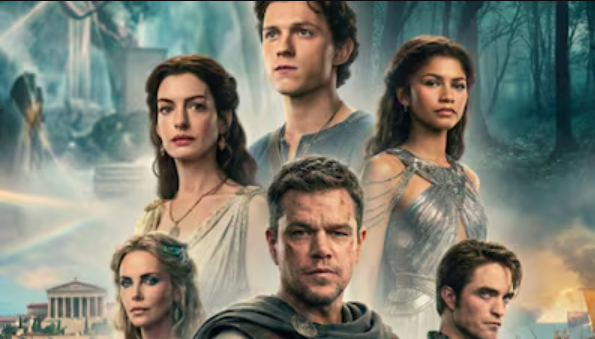
Epic stories require unforgettable characters, and The Odyssey assembles one of the strongest ensembles of the year.
Matt Damon delivers a compelling Odysseus whose greatest strength is not physical power but endurance. He portrays a man burdened by years of war, impossible decisions, and the constant longing to return home.
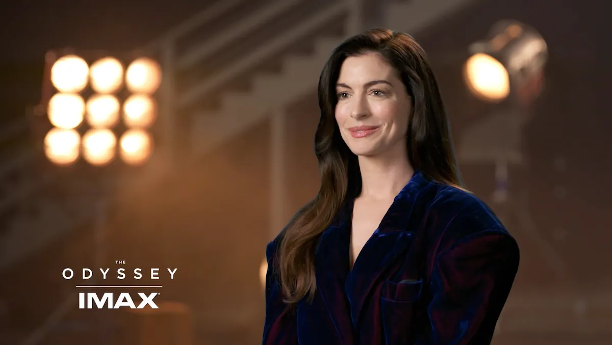
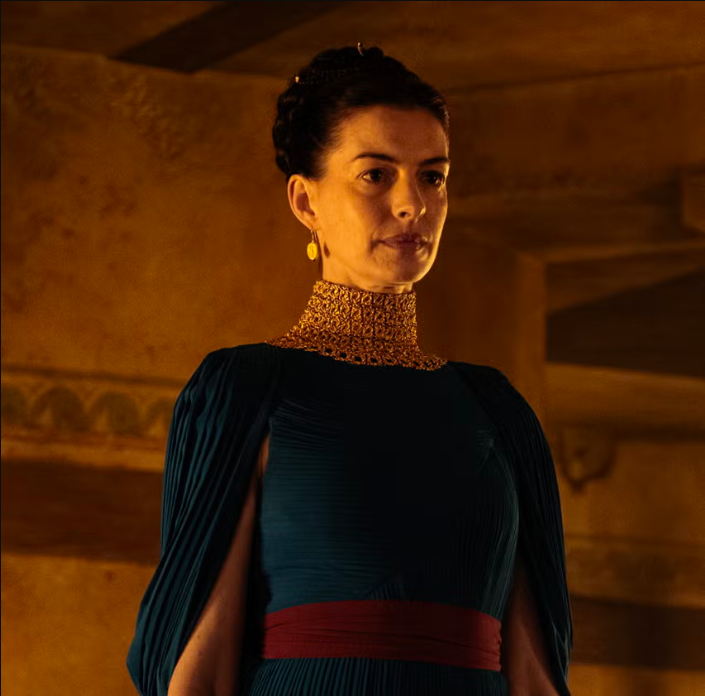
Anne Hathaway brings quiet intelligence and emotional resilience to Penelope. Rather than portraying her simply as the faithful wife waiting in Ithaca, she gives the character dignity, patience, and remarkable inner strength.
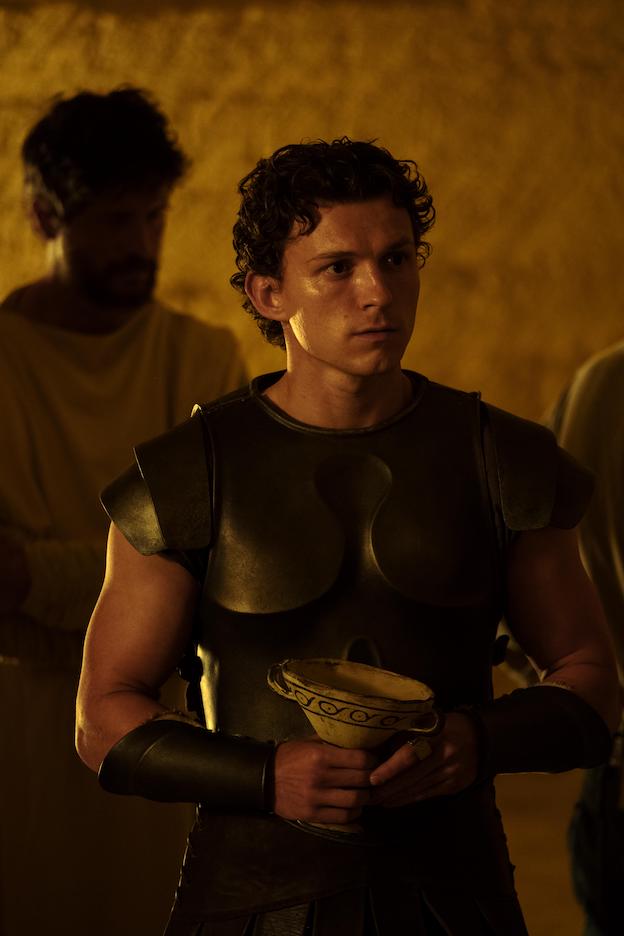
Tom Holland continues to mature as an actor, bringing vulnerability to Telemachus while allowing the audience to understand the enormous shadow cast by his absent father.
Zendaya possesses exactly the kind of screen presence needed for a goddess. She appears graceful, mysterious, and appropriately otherworldly without overshadowing the human story.
Charlize Theron leaves one of the film's most compassionate impressions. Her scenes, particularly those involving Odysseus' healing, provide welcome emotional stillness amid the relentless hardships of his journey.
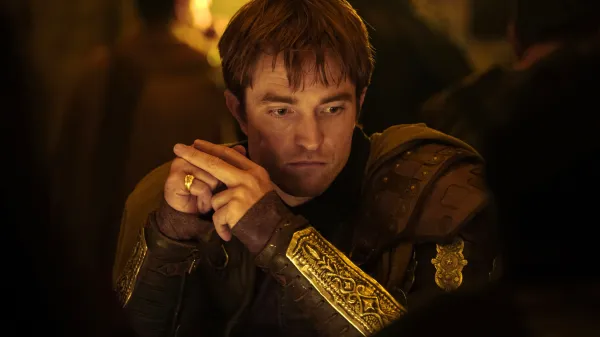
Robert Pattinson delivers one of my favorite performances in the film. His antagonist is intelligent, calculating, and genuinely unsettling. Rather than relying on exaggerated cruelty, Pattinson creates tension through confidence and restraint.
Mia Goth complements him beautifully. Together they create a memorable antagonistic presence that adds another layer of danger to Odysseus' already impossible journey.
The Third Act Delivers the Greatest Rewards
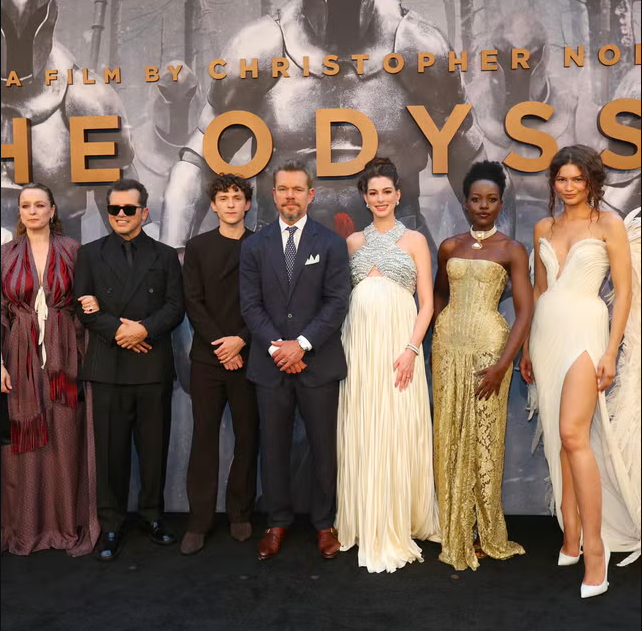
Although the entire journey remains engaging, I found the third act to be the film's strongest section.
The narrative accelerates naturally as years of hardship finally converge. The action becomes more intense, the emotional stakes grow higher, and every decision feels increasingly consequential.
By this point, the audience has traveled such a long road alongside Odysseus that every victory carries genuine emotional weight. Nolan avoids empty spectacle by ensuring the action always serves the story.
I especially appreciated the film's hopeful conclusion. After witnessing so much suffering, loss, temptation, and sacrifice, the ending feels emotionally earned rather than simply convenient.
The Mythological Moments That Stayed With Me
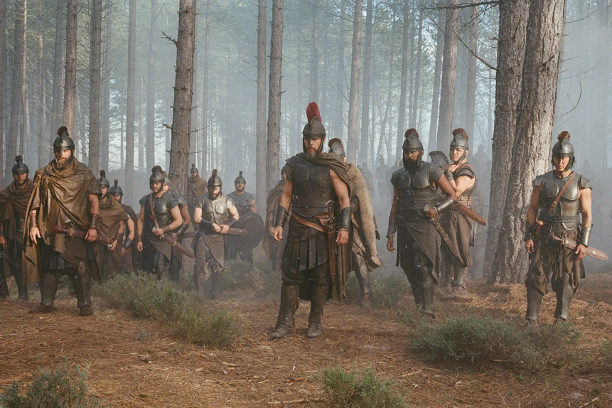
Some of my favorite sequences come directly from Greek mythology.
Circe transforming Odysseus' men into pigs remains one of the film's most memorable passages. The sequence captures the strange beauty and unpredictability that define ancient mythology.
The encounters with the dead are equally haunting. These scenes remind audiences that The Odyssey has never simply been an adventure story. It is also about confronting mortality, regret, and the consequences of one's past.
The creatures throughout the film are beautifully realized. Nolan treats them as integral parts of the narrative rather than visual distractions, allowing mythology itself to become another character.
What I Wish Had Been Included
No adaptation can include every beloved moment from Homer's epic, and inevitably some omissions stood out.
The one I missed most was the encounter with the Sirens. They remain among the most iconic figures in Greek mythology, and after experiencing so many extraordinary monsters throughout the film, I hoped we would spend more time with them. Their hypnotic voices have fascinated readers for centuries, and hearing Nolan's interpretation of that sequence would have been unforgettable. I also found myself wishing we had seen more of the sea's mythical wonders, perhaps even an imaginative interpretation of mermaids to further expand the film's already rich fantasy world.
Another omission I personally missed was Penelope's famous bed.
In Homer's poem, Odysseus proves his identity because he alone knows that their marriage bed cannot possibly be moved. He built it around the trunk of a living olive tree, making it a permanent symbol of their marriage and shared life. It is one of the most intimate and meaningful moments in classical literature, representing a love so deeply rooted that it literally cannot be uprooted. I had hoped to witness that scene on screen, and its absence left me slightly disappointed.
I also felt that a touch more humor could have strengthened the emotional rhythm of the film. The original epic contains moments of wit and irony that balance its darker passages. A few additional lighter scenes would have made the characters feel even more human while giving the audience occasional moments to breathe.
Cinema Was Made for Stories Like This
Christopher Nolan has become one of the strongest advocates for the theatrical experience, and The Odyssey is another compelling argument in his favor.
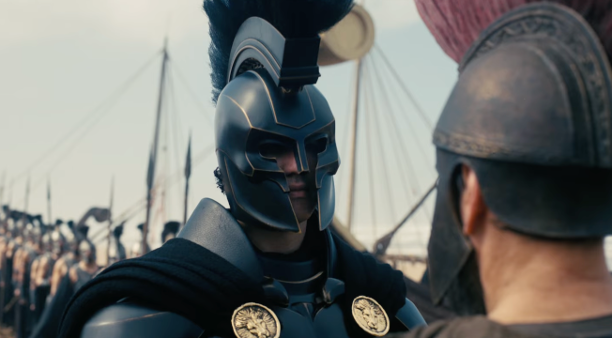
Like Interstellar, Dunkirk, and Oppenheimer, this is a film conceived for the biggest screen possible. Nolan once again collaborated with cinematographer Hoyte van Hoytema, editor Jennifer Lame, and composer Ludwig Göransson, whose combined artistry creates an experience that is both technically extraordinary and emotionally immersive.
The large format cinematography captures extraordinary detail across sweeping landscapes. The production design and costumes transport audiences to an ancient civilization without sacrificing authenticity, while Göransson's score provides both grandeur and intimacy.
It is therefore unsurprising that IMAX presentations have become one of the film's greatest attractions. Audiences have embraced premium large format screenings, helping propel The Odyssey to impressive box office success. At a time when streaming continues to reshape viewing habits, Nolan once again demonstrates that audiences are still eager to leave home when filmmakers create genuine cinematic events.
Why This Story Still Matters
Nearly three thousand years after Homer first imagined Odysseus' voyage, his story continues to resonate because its themes remain profoundly human.
The desire to return home, to reunite with loved ones after hardship, to remain faithful despite temptation, and to rediscover one's identity after years of struggle are experiences that transcend time and culture. Whether we think of soldiers returning from war, immigrants building new lives, refugees longing for the homes they lost, or anyone searching for belonging after adversity, The Odyssey reminds us that every journey is ultimately about finding our way back to ourselves.
That timeless emotional truth is what transforms Homer's poem from an ancient adventure into a universal story that still speaks to modern audiences.
Behind the Scenes
One of the most remarkable aspects of The Odyssey is its commitment to practical filmmaking. Rather than relying exclusively on digital environments, the production traveled across multiple countries to capture landscapes reminiscent of the ancient Mediterranean, reinforcing Christopher Nolan's long-held preference for photographing real locations whenever possible.
The film also reunites Nolan with many of his closest creative collaborators. Cinematographer Hoyte van Hoytema, editor Jennifer Lame, and composer Ludwig Göransson once again combine their talents to create a film that feels both intimate and monumental.
Large format photography remains central to Nolan's vision. While I greatly enjoyed experiencing the film in 70 mm at the Aero Theatre, The Odyssey is clearly designed to shine in IMAX as well, where the scale of the imagery and the immersive sound can be appreciated at their fullest.
Perhaps most importantly, the film demonstrates that audiences still crave shared cinematic experiences. Its impressive box office performance, driven in large part by premium format screenings, serves as another reminder that theaters continue to thrive when filmmakers create stories that truly demand the biggest screen possible.
Final Thoughts
Christopher Nolan's The Odyssey may not recreate every cherished scene from Homer's masterpiece, but it captures something even more essential: its enduring spirit.
Beautifully photographed, impeccably acted, emotionally satisfying, and visually breathtaking, the film succeeds as both intimate character study and grand mythological spectacle. While I would have welcomed more of the Sirens, the symbolic scene of Penelope's bed, and a little more humor, those omissions never diminish the wonder of the journey itself.
Like Odysseus, audiences leave the theater having traveled through worlds filled with monsters, gods, temptation, hope, and impossible choices. It is a reminder that the greatest adventures are not simply about where we go, but about who we become along the way.
Christopher Nolan has once again delivered a film that deserves to be experienced in theaters, preferably in 70 mm or IMAX, where its craftsmanship can be fully appreciated. Nearly three thousand years after Homer first told this remarkable story, The Odyssey proves that great myths never grow old. They simply find new generations ready to set sail.
Rating: ★★★★½ out of ★★★★★