23 October
Yakacık in Jewish Memory: From Wartime Fear to a Place of Tranquility 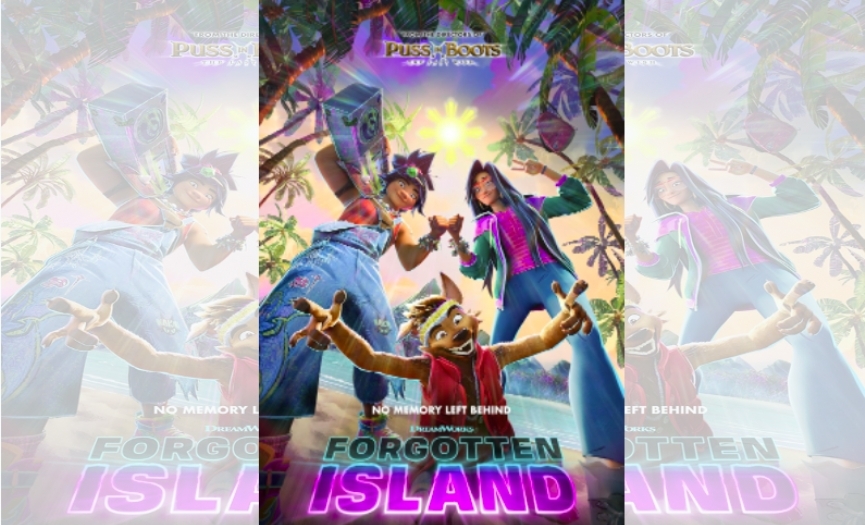
By Bessy ADUT
Some films take you on an adventure. Others take you back to the most beautiful chapter of your life. Forgotten Island did both for me.
DreamWorks Animation’s latest fantasy comedy, written and directed by Joel Crawford and Januel Mercado, is a vibrant, imaginative, and surprisingly emotional journey into friendship, memory, and the bittersweet experience of growing up. Set in the Philippines during the 1990s, the film draws inspiration from Filipino mythology while exploring something universal: the fear of losing the people who once made our world feel complete.
What many audiences may not realize is just how deeply rooted this animated adventure is in Filipino culture. And for me, that connection made the experience even more personal.
I used to be married to a Filipino doctor, so hearing the characters speak Tagalog brought back familiar memories. I found myself smiling at the cultural references, the warmth of the characters, and, of course, the love of karaoke! Anyone who has spent time around Filipino families may recognize just how enthusiastically karaoke can bring people together.
But beyond those familiar details, what truly stayed with me was the friendship at the heart of the story.
Two Outsiders, One Extraordinary Friendship
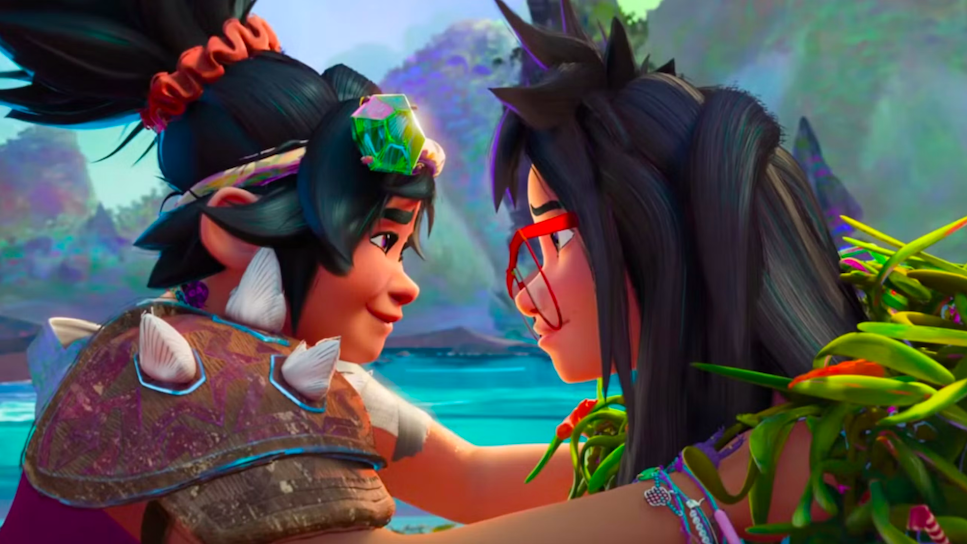
The story follows Jo Yuson and Raissa Molina, two young girls who form an unlikely friendship after connecting over their shared experience of feeling like outsiders.
Jo is a spirited girl with a vivid imagination and a fascination with Nakali, a mysterious island she first learns about through her grandmother, Fatima. When her classmates ridicule her stories, Raissa stands up for her, beginning a friendship that grows through childhood adventures, shared secrets, and the creation of their own little world.
As the girls grow older, their lives begin to move in different directions. With adulthood approaching, difficult decisions and the possibility of separation threaten the friendship they once believed would last unchanged forever.
Then, a magical discovery transports them into the very world they grew up hearing about: Nakali, a fantastical island inhabited by extraordinary creatures drawn from Filipino folklore.
What follows is an imaginative adventure filled with humor, danger, unexpected friendships, and emotional challenges that force the girls to confront their fears about growing up and growing apart.
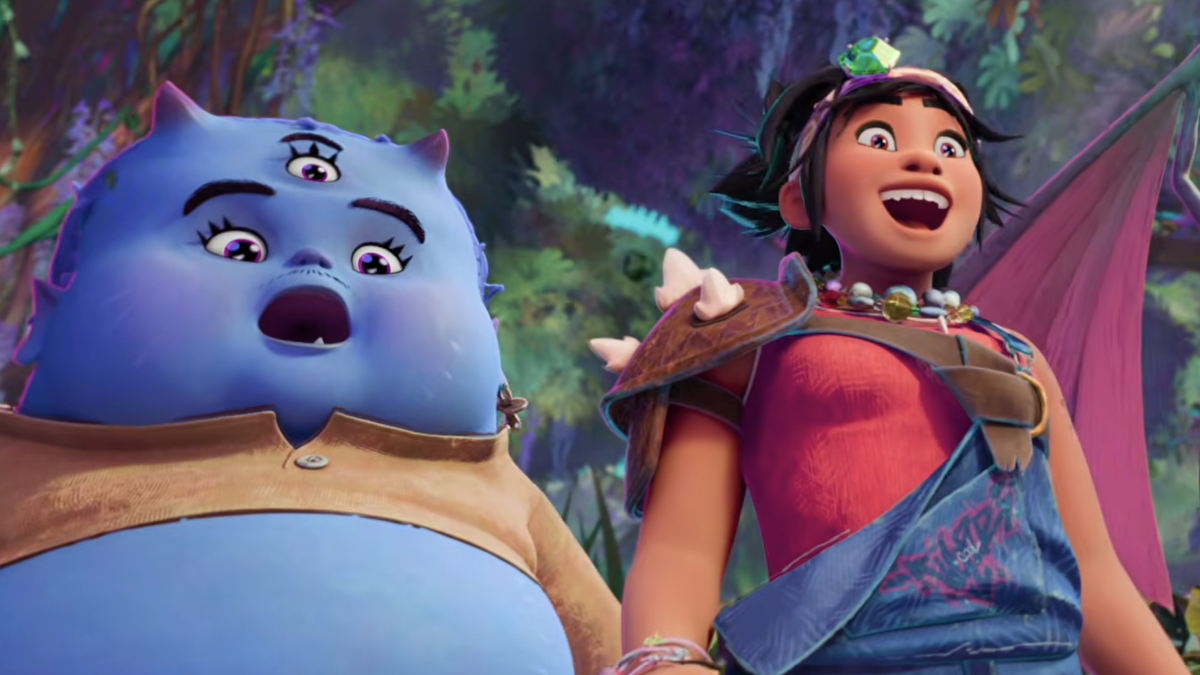
Without revealing too much, the film’s greatest strength lies in how it uses fantasy to explore something profoundly relatable. Childhood friendships often feel permanent, but adulthood introduces choices that can change even our closest relationships.
I particularly enjoyed the character development. Jo and Raissa are not flawless heroines, and that makes them more interesting. Their insecurities, fears, and emotional reactions feel recognizable, especially for anyone who has experienced the complicated transition from childhood into adulthood.
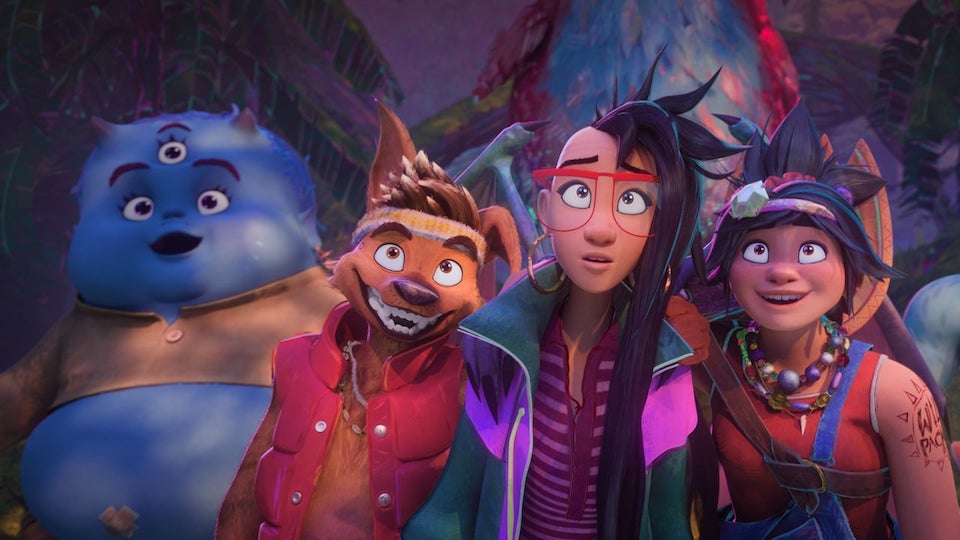
The supporting characters also bring their own personalities and motivations into the story, making Nakali feel like a living world rather than merely a collection of colorful fantasy creatures.
The Magic of Finding Someone Who Understands You
Perhaps the most personal aspect of Forgotten Island for me was the bond between its two young heroines.
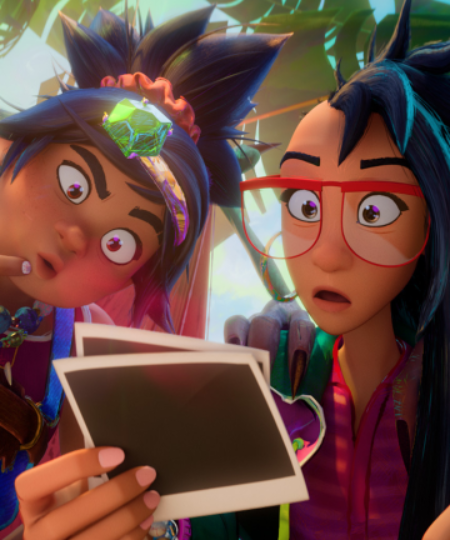
Jo and Raissa connect because they understand what it feels like to be different. They are outsiders who find comfort in each other’s company, creating a friendship built on imagination, loyalty, and the freedom to be themselves.
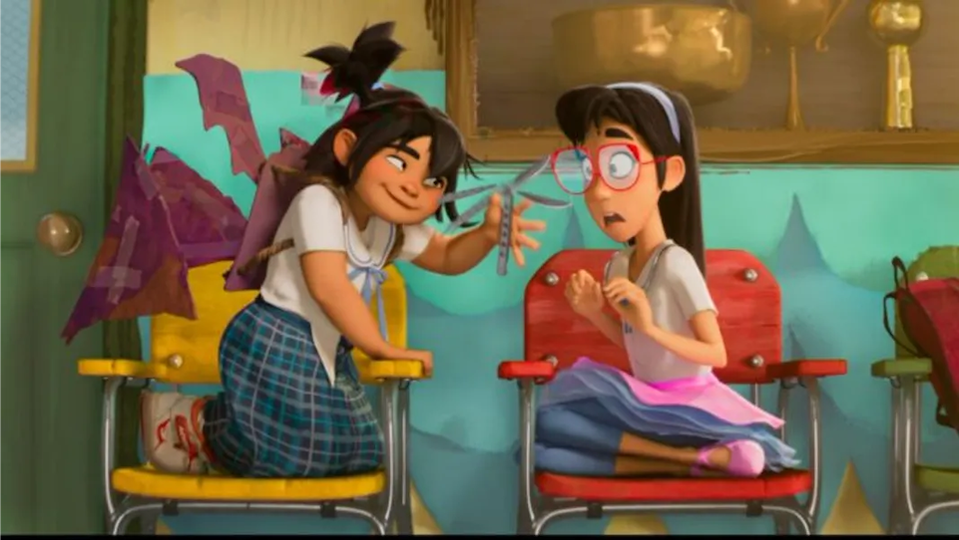
There is something incredibly powerful about finding another person who understands you at an age when the world doesn’t always make sense.
Their friendship reminded me of my own childhood and my best friend, Eser Levi.
Watching the girls explore their imaginary worlds, share adventures, and navigate their friendship brought back some of my happiest memories. I remembered our laughter, our imagination, and that wonderful feeling of being inseparable.
When you’re young, you rarely think about how quickly time passes. You don’t imagine that one day your adventures will become memories or that the person who knows you better than anyone might eventually follow a different path.
You simply live in the moment.
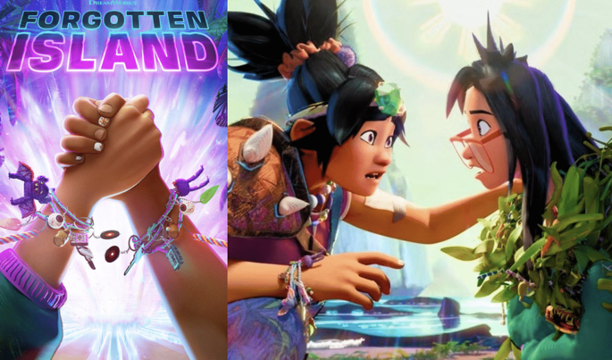
I also loved the symbolism of the girls’ matching charm bracelets, which represent meaningful moments in their friendship. It is a small but effective storytelling detail, reminding us how ordinary objects can become extraordinary when they carry personal memories.
For me, the film captured something that animated stories don’t always explore with such emotional clarity: the private universe that two childhood friends can create together, and how difficult it can be to imagine that universe changing.
Filipino Folklore Gets the DreamWorks Treatment
One of the most refreshing aspects of Forgotten Island is its cultural identity.
The island of Nakali takes its name from nakalimutan, the Tagalog word for “forgotten,” and the film introduces audiences to creatures and legends inspired by Philippine mythology, including the fearsome manananggal.
Rather than treating folklore as an exotic backdrop, the filmmakers build their fantasy around stories that are part of Filipino cultural heritage.
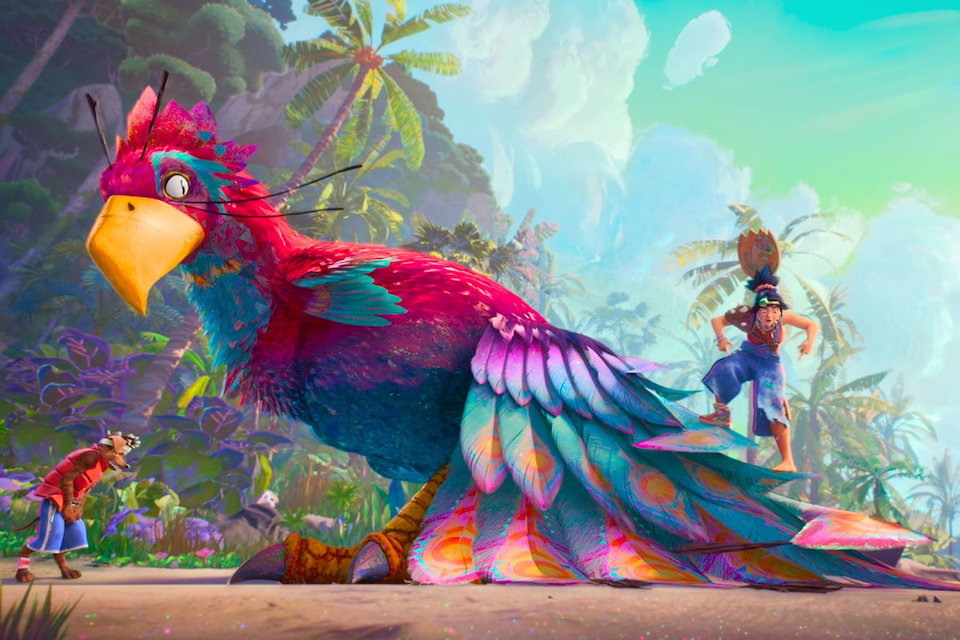
The result is a world that feels distinctive, unpredictable, and rich with possibilities.
I especially appreciate that a major Hollywood animation studio has embraced a story so closely connected to a culture that has not always received this level of visibility in mainstream animated filmmaking.
For audiences unfamiliar with Filipino mythology, the film offers an entertaining introduction to its imaginative traditions. For viewers who grew up hearing these stories, there is an added pleasure in seeing them brought to life on such a large cinematic canvas.
And that cultural connection extends far beyond the screenplay.
A Visual Feast With a Nostalgic Twist
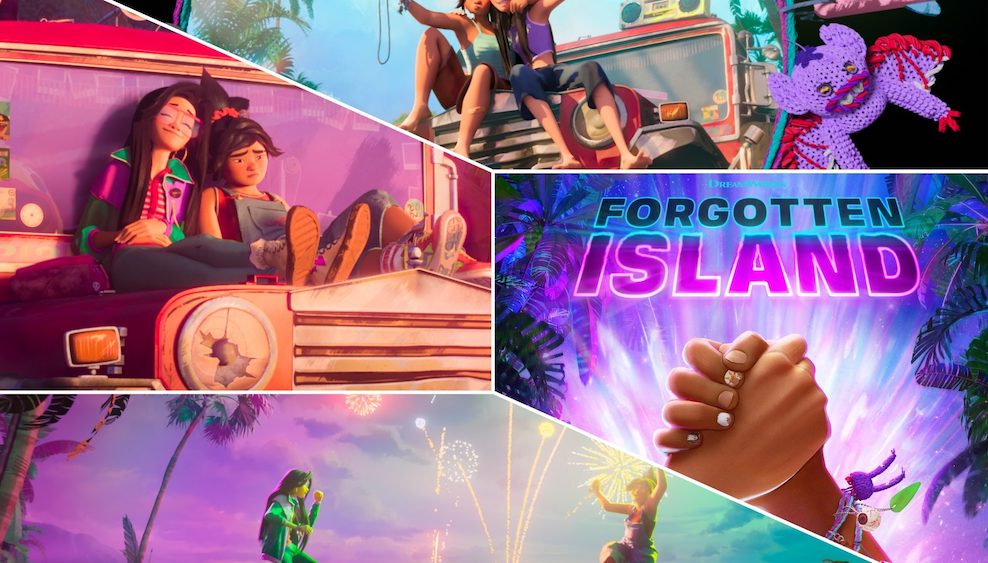
Visually, Forgotten Island is among the film’s greatest achievements.
Its animation shares some of the expressive, stylized energy of DreamWorks’ Puss in Boots: The Last Wish, which Crawford also directed, but it develops its own visual personality through Filipino artistic influences and the graphic design aesthetics of the 1990s.
One of the most interesting creative decisions is the film’s movement between contemporary computer-generated animation and anime-inspired 2D sequences.
These stylistic shifts appear during flashbacks, with the visual approach changing according to the characters’ memories. It’s a clever way to make the animation itself part of the storytelling rather than simply a vehicle for the action.
The influence of anime classics such as Dragon Ball Z and Sailor Moon, along with the visual language of Street Fighter, adds a playful sense of nostalgia.
As someone who appreciates animation as an art form, I enjoyed how these contrasting techniques gave the film a distinctive rhythm and personality.
Another detail worth celebrating is the contribution of Filipino animators.
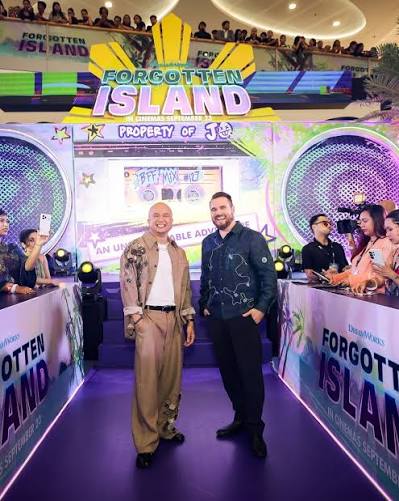
Manila-based Snipple Animation worked on the stylized 2D sequences, while Sony Pictures Imageworks contributed to selected shots. Crawford and Mercado have emphasized that Filipino culture was not simply an influence on the production but a foundation for its creative identity.
As a filmmaker, I find that especially meaningful.
Representation isn’t only about which cultures appear on screen. It’s also about the artists, animators, performers, and storytellers whose creative perspectives help shape what audiences ultimately experience.
In Forgotten Island, that commitment can be seen throughout the film’s visual design.
Filipino Voices Bring the Fantasy to Life
The voice cast is another important part of the film’s cultural identity, featuring a predominantly Filipino and Filipino-American ensemble.
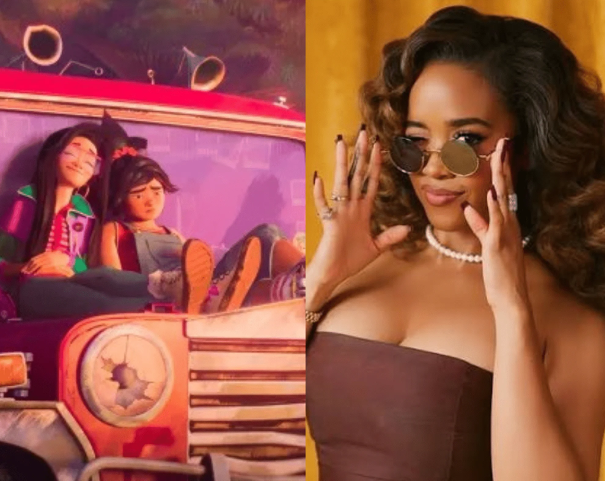
H.E.R. voices Jo, while Liza Soberano brings Raissa to life. Their performances give the central friendship its emotional foundation, balancing humor, vulnerability, and the youthful energy of two girls trying to understand themselves and each other.
The supporting cast includes Dave Franco, Manny Jacinto, Jenny Slate, Lea Salonga, Jo Koy, Dolly de Leon, and Ronny Chieng.
It’s an impressive collection of talent, and I appreciate how the casting brings together internationally recognized performers while giving Filipino voices a prominent place in a major DreamWorks production.
The characters are entertaining, but what makes them memorable is that their personalities and emotional journeys contribute to the larger themes of belonging, friendship, and change.
A Soundtrack Rooted in Filipino Musical Traditions
The music also deserves recognition for how thoughtfully it connects the fantasy to Filipino heritage.
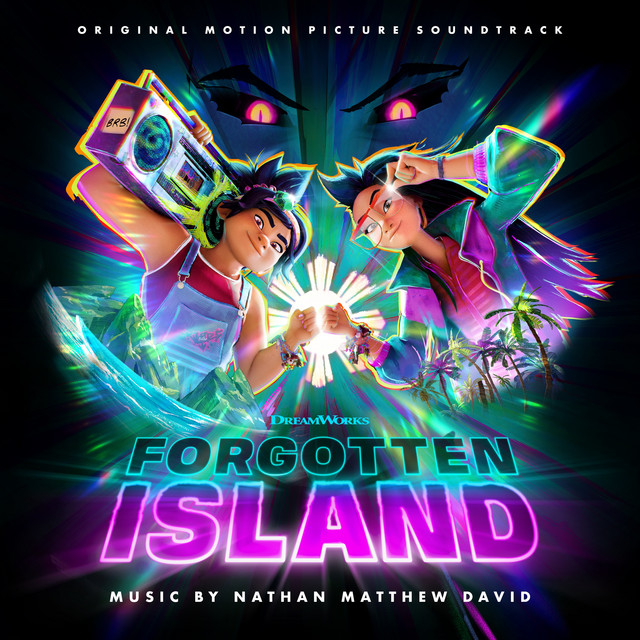
Composer Nathan Matthew David traveled throughout the Philippines to research indigenous musical traditions, including visits to Cordillera, Kalinga, and the T’boli community in Lake Sebu.
The score incorporates distinctive traditional sounds, including the historic Bamboo Organ of Las Piñas and recordings of gong and kulintang instruments performed by musician Farid Guinomla.
Recorded at London’s Abbey Road Studios, the score also features vocals by Lea Salonga.
The soundtrack brings together traditional influences and contemporary Filipino and Filipino-connected musical talent, including BINI, SB19, Francis Magalona, Ruby Ibarra, Sophia Laforteza of KATSEYE, H.E.R., and Liza Soberano.
I appreciate that the filmmakers approached the music with the same cultural curiosity that informs the animation and storytelling.
Rather than relying entirely on a conventional Hollywood fantasy sound, the score draws from musical traditions that help give Nakali its own identity.
It’s another example of how the film’s cultural roots influence the entire production, from its visuals and characters to the sounds that accompany their journey.
Why Does a Film This Charming Deserve a Bigger Audience?
Despite the film’s creativity and emotional appeal, I was disappointed to learn that Forgotten Island has struggled to attract a larger audience at the box office.
It’s unfortunate because I believe this is exactly the kind of animated storytelling that deserves more attention: a film with a distinctive cultural identity, imaginative world-building, appealing characters, and an emotional story that resonates beyond its intended younger audience.
Not every animated film needs to reinvent the medium, but I appreciate those that take creative risks while remaining accessible and entertaining.
Forgotten Island offers the spectacle and humor expected from a DreamWorks adventure, but it also has something personal to say about growing up.
The film understands that friendship isn’t always simple. Sometimes the people we love most are also the people whose changing lives challenge us to grow.
And that is a lesson that resonates just as strongly with adults as it does with children.
I would especially recommend this film to best friends, sisters, and girlfriends who have shared their own adventures and growing pains.
If you have ever felt like an outsider, found someone who understood your imagination, or created an entire world of memories with a childhood friend, there is a good chance you will recognize something of yourself in Jo and Raissa.
You don’t need to be Filipino or familiar with Philippine mythology to appreciate the film. Its cultural specificity is one of its strengths, while its emotional themes are universal.
Final Thoughts
Forgotten Island is one of my favorite animated films of 2026.
I loved its imaginative world, colorful characters, expressive animation, culturally rich music, and the thoughtful way its character arcs explore the transition from childhood into adulthood.
But more than anything, I loved how it made me feel.
It brought back some of the happiest memories of my childhood with Eser Levi, reminding me of our adventures, our imagination, and the extraordinary gift of having a true friend who understands your world.
That personal connection is what made the film so special to me.
I genuinely hope more people discover it, because its celebration of Filipino culture and its heartfelt exploration of friendship deserve a wider audience.
I recommend Forgotten Island to both children and adults. Younger viewers can enjoy the fantasy, comedy, and magical creatures, while older audiences may find themselves reconnecting with the innocence, joy, and bittersweet memories of growing up.
And if you can, watch it with your best friend, your sister, or someone who made your childhood unforgettable.
Sometimes the most magical part of a movie isn’t the world it creates, but the memories it brings back.
For me, Forgotten Island was exactly that kind of magic.