
9 November
You Can See Everything 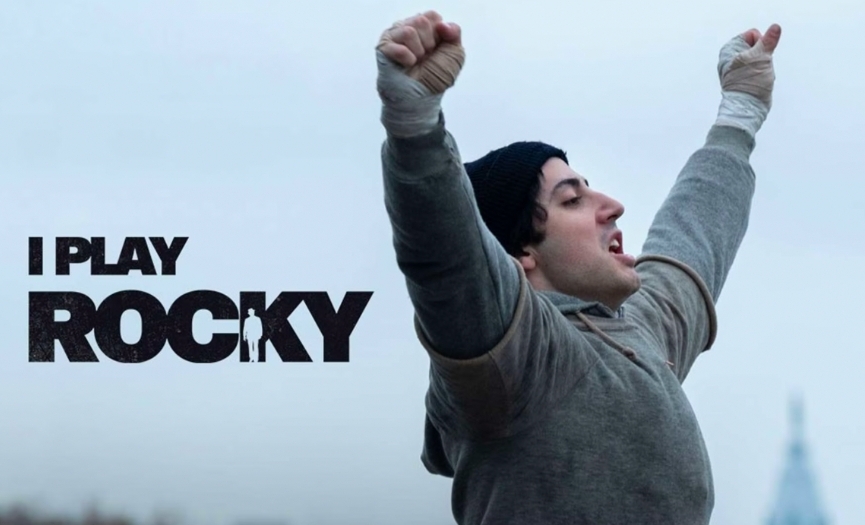
By Bessy ADUT
Before Rocky Balboa became one of cinema’s most beloved underdogs, Sylvester Stallone had to fight his own battles in Hollywood. Directed by Peter Farrelly (Green Book) and written by Peter Gamble, I Play Rocky (2026) revisits the extraordinary circumstances behind the making of the Academy Award-winning classic Rocky (1976). Nearly fifty years later, this biographical drama reminds audiences that sometimes the story behind a film can be just as inspiring as the film itself.
Starring Anthony Ippolito as a young Sylvester Stallone, I Play Rocky follows an aspiring actor and screenwriter struggling to establish himself in an industry that repeatedly rejects him. Facing financial hardship, professional disappointment, and doubts about his abilities, Stallone refuses to abandon his ambitions. His determination to write his own screenplay and insist on portraying its leading character becomes the driving force of this entertaining and emotionally engaging film.
What makes I Play Rocky particularly compelling is the remarkable parallel between Stallone and his fictional creation. Both are underdogs confronting seemingly impossible odds, determined to prove that they deserve a chance. Yet the film’s appeal extends beyond the familiar message of perseverance. It explores the personal relationships, creative compromises, and collaborative efforts that shape a filmmaker’s journey.
Anthony Ippolito Steps Into Stallone’s Shoes
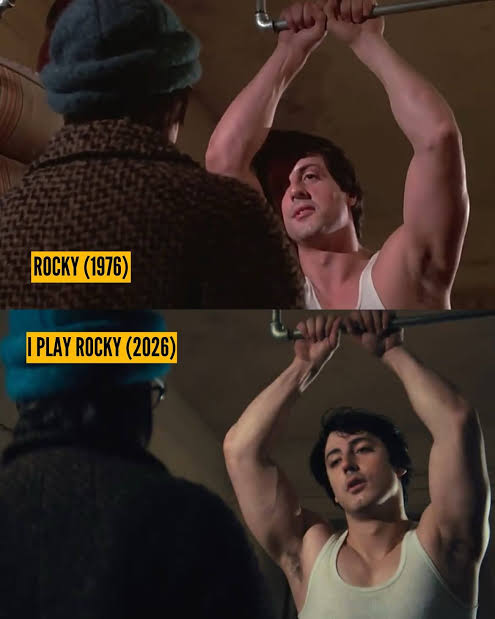
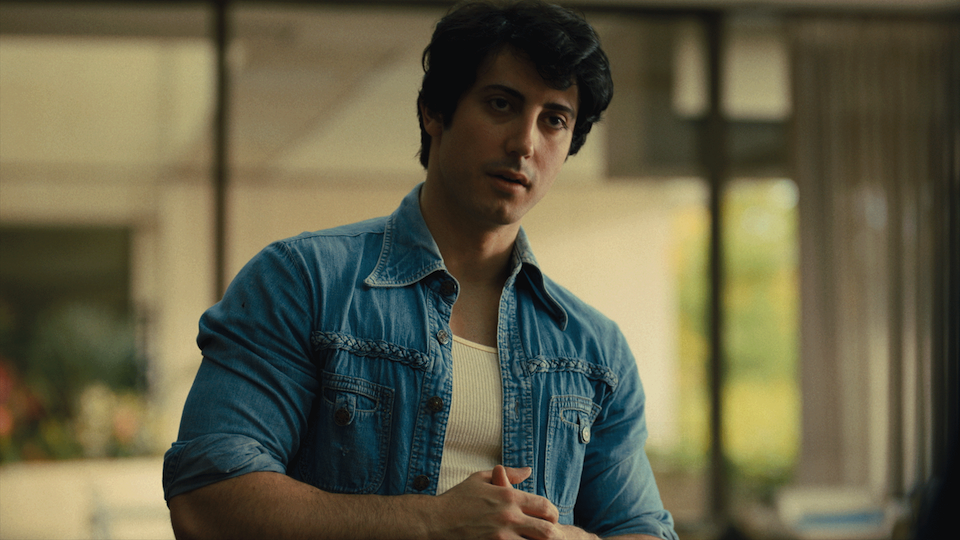
One of the film’s greatest strengths is Anthony Ippolito’s impressive portrayal of the young Stallone. His physical resemblance, distinctive voice, mannerisms, and emotional expression create a convincing transformation. Rather than merely imitating a Hollywood icon, Ippolito captures the vulnerability, frustration, ambition, and determination beneath Stallone’s recognizable personality.
His performance is among the film’s most memorable achievements, and I sincerely hope to see Anthony Ippolito recognized with an Academy Award nomination. His convincing transformation into a young Sylvester Stallone deserves that level of consideration. Portraying such a familiar public figure is challenging, particularly when audiences already have strong associations with the original actor. Ippolito rises to that challenge, making Stallone’s early struggles feel immediate and relatable.
Farrelly surrounds him with a talented supporting cast, including AnnaSophia Robb as Stallone’s first wife, Sasha Czack, and Matt Dillon as his father, Frank Stallone Sr. Both relationships contribute significantly to the emotional foundation of the story.

Behind Every Dream Is a Supportive Partner: Stallone and Sasha’s Creative Partnership
One of the film’s most heartwarming aspects is its portrayal of the supportive relationship between Stallone and his partner, Sasha Czack. Far from being merely a romantic presence in his life, Sasha emerges as an important source of encouragement and creative support during the most uncertain years of his career.
As portrayed in the film, she encourages him to embrace his real name, Sylvester, rather than Mike, and recognizes his potential as a writer when acting opportunities remain scarce. She urges him to write his own screenplay and create a leading role for himself instead of waiting for Hollywood to offer him one. Her belief in his abilities becomes a powerful reminder of how much a supportive partner can influence an artist’s confidence and direction.
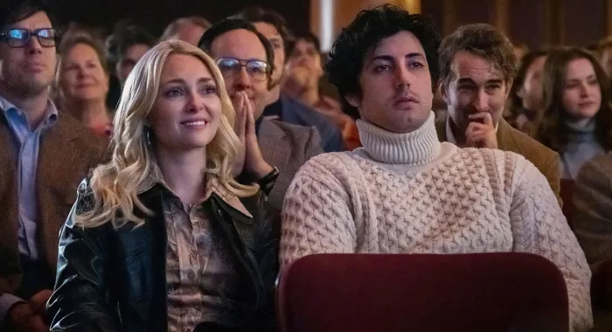
What makes their relationship especially touching is that Sasha’s support goes beyond words. She types his scripts, helps him prepare for his role, and participates in the creative process while the couple navigates financial difficulties and an uncertain future. Their partnership demonstrates that pursuing an artistic dream is rarely a solitary journey. Behind one person’s determination, there may be another person’s equally meaningful dedication, patience, and belief.
AnnaSophia Robb brings warmth and sincerity to Sasha, making their relationship one of the film’s emotional highlights. The romance is not simply a subplot but an essential part of the story’s exploration of perseverance, love, and collaboration.
Equally significant is Stallone’s complicated relationship with his father. Matt Dillon’s portrayal of Frank introduces a deeper emotional dimension, revealing how criticism, disappointment, and the desire for parental approval can influence an artist’s identity.
Another memorable element is the inclusion of Butkus, Stallone’s beloved dog. Although many fans are familiar with the story, seeing this relationship dramatized adds warmth and humanity to the narrative.

Finding Emotional Truth Through Performance
One of the most powerful aspects of I Play Rocky is its exploration of how an actor can draw upon personal memories and emotional experiences to create an authentic performance.
The film illustrates how Stallone’s complicated relationship with his father becomes a source of emotional truth in his acting, with Sasha’s encouragement and support helping him connect those personal experiences to his character.
From my own acting experience, I found this particularly meaningful. Reaching into a personal memory, discovering an authentic emotion, and allowing that emotional truth to inform a performance can be an incredibly powerful process. It is often what separates a technically competent performance from one that genuinely moves an audience.
What makes this element so compelling is the connection between the artist’s personal life and creative expression. The film demonstrates how experiences that once caused pain or uncertainty can become meaningful artistic material when approached with vulnerability and honesty.
For actors and filmmakers, this is one of the film’s most valuable insights: authenticity cannot always be manufactured through technique alone. Sometimes, the most powerful moments emerge when an artist finds something deeply personal and real to bring to the work.
A Winning Balance of Humor and Drama
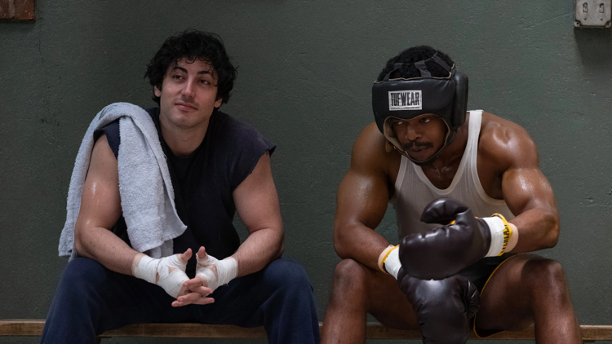
One of the qualities that makes I Play Rocky so enjoyable is its ability to blend different genres and emotions into a cohesive cinematic experience. Although the film tells a story of struggle, rejection, and personal sacrifice, it never becomes overwhelmingly heavy. Instead, Farrelly incorporates plenty of humor and genuinely amusing moments that provide welcome relief from the drama.
The comedic scenes feel like a natural extension of the characters and their circumstances, allowing audiences to laugh even as they sympathize with Stallone’s difficulties. This balance of humor and emotional depth is particularly effective, making the characters more human and their experiences more relatable.
The romantic elements bring tenderness and emotional warmth, while the action and energetic filmmaking sequences add excitement and momentum. Together, the comedy, drama, romance, and action create a rich and engaging narrative that continuously draws the audience deeper into the story.
Farrelly’s background in comedy serves the material particularly well. His ability to find humor in difficult situations complements the dramatic storytelling, giving I Play Rocky a distinctive charm that separates it from more conventional biographical dramas.

The Art of Filmmaking Against the Odds
For filmmakers, I Play Rocky offers something particularly rewarding: an opportunity to revisit the practical realities of independent-minded filmmaking within the Hollywood studio system of the 1970s.
The film explores how limited resources, tight production schedules, camera choices, directorial decisions, and unexpected obstacles influenced the creation of Rocky. These behind-the-scenes details are among its most fascinating aspects, illustrating how creativity often emerges from limitations rather than unlimited financial resources.
Jay Duplass portrays director John G. Avildsen, while P. J. Byrne and Toby Kebbell play producers Irwin Winkler and Robert Chartoff. Their characters highlight the collaborative nature of filmmaking, where artistic ambitions must coexist with financial constraints and production realities.
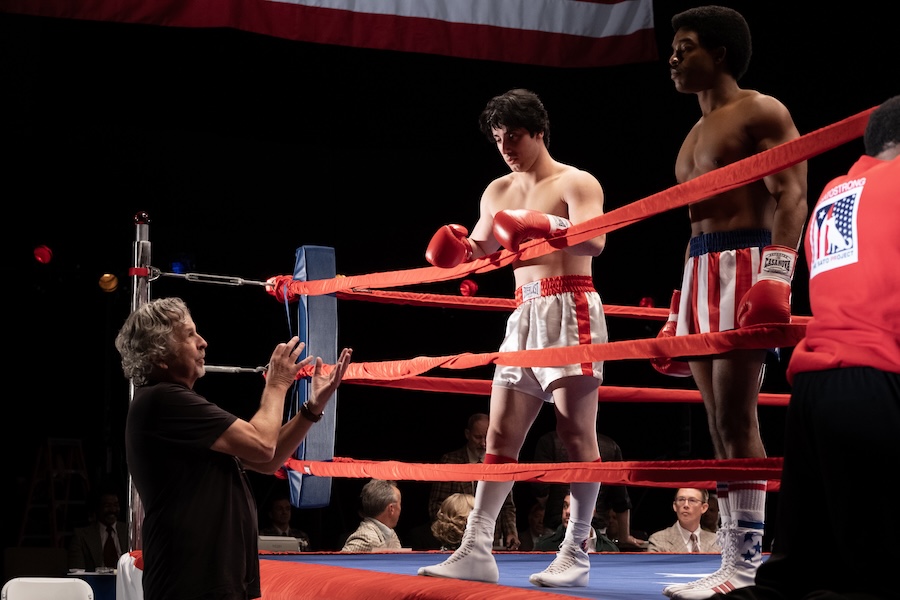
Having worked on film productions myself, I found this aspect particularly relatable. The determination to achieve the best possible results despite a limited budget is a familiar challenge for many filmmakers. Watching these creative and practical decisions unfold makes the film both entertaining and educational.
Farrelly’s direction balances the emotional struggles of Stallone’s personal life with the fascinating process of bringing a screenplay to the screen. The period atmosphere and attention to filmmaking practices of the era provide additional texture, allowing audiences to appreciate not only the finished classic but also the work and uncertainty behind its creation.
The Courage to Believe in Your Own Vision
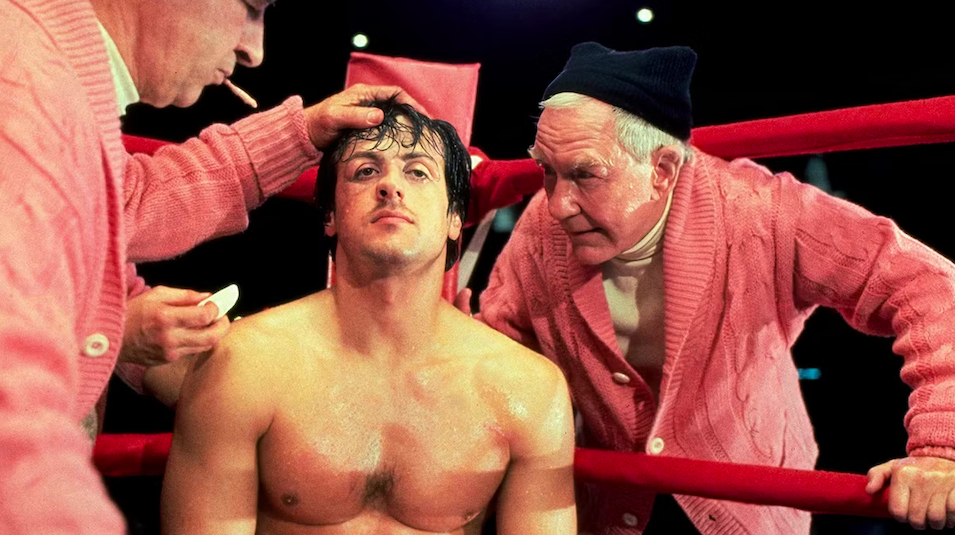
Perhaps the film’s strongest message is the importance of believing in one’s creative vision, even when others question its value.
Stallone’s determination, sometimes bordering on stubbornness, becomes one of his most admirable qualities. His refusal to surrender his aspirations illustrates the difference between simply wanting success and being willing to persevere through the obstacles required to pursue it.
Of course, artistic success is rarely the achievement of one individual alone. I Play Rocky also recognizes the importance of encouragement, collaboration, and the people willing to take chances on an emerging talent. Sasha’s involvement is a particularly meaningful example of how emotional and practical support can help an artist persist through difficult circumstances.
The film is particularly inspiring because its central figure is not presented as someone who begins his career with extraordinary opportunities. Instead, his journey is shaped by rejection, resourcefulness, and the conviction that he has something meaningful to contribute.

A Film Worth Watching, On and Off the Set
I Play Rocky is more than a nostalgic tribute to one of Hollywood’s most recognizable franchises. It is an affectionate, engaging, and uplifting exploration of the determination required to transform an artistic dream into reality.
While audiences familiar with Rocky will undoubtedly appreciate the references to the original classic, the film remains accessible to viewers who simply enjoy a compelling human story.
I particularly recommend I Play Rocky to filmmakers, screenwriters, actors, and anyone pursuing a creative career. Its behind-the-scenes perspective offers valuable insights into the challenges of filmmaking, while its combination of humor, romance, action, and drama makes it equally appealing to general audiences.

With Anthony Ippolito’s outstanding performance, Peter Farrelly’s engaging direction, and its remarkable balance of humor, romance, action, and drama, I Play Rocky delivers an enjoyable, inspiring, and emotionally rewarding cinematic experience. I expect the film to receive recognition during the upcoming Academy Awards season, and I would be delighted to see it earn multiple Oscar nominations, particularly for its acting and storytelling.
Ultimately, the film reminds us that before the world can believe in an artist’s vision, the artist must first find the courage to believe in it. Just as importantly, it celebrates the people who recognize that vision and help nurture it along the way.
And sometimes, the greatest victory is simply refusing to give up.

Film Information
I Play Rocky (2026)
Director: Peter Farrelly
Screenwriter: Peter Gamble
Starring: Anthony Ippolito, AnnaSophia Robb, Matt Dillon, Toby Kebbell, P. J. Byrne, Jay Duplass, Stephan James, Tracy Letts
Genre: Biographical Drama
Distributor: Amazon MGM Studios