29 October
´Forgotten Island´: DreamWorks´ Filipino Fantasy Is a Beautiful Reminder of the Friendships That Shape Us 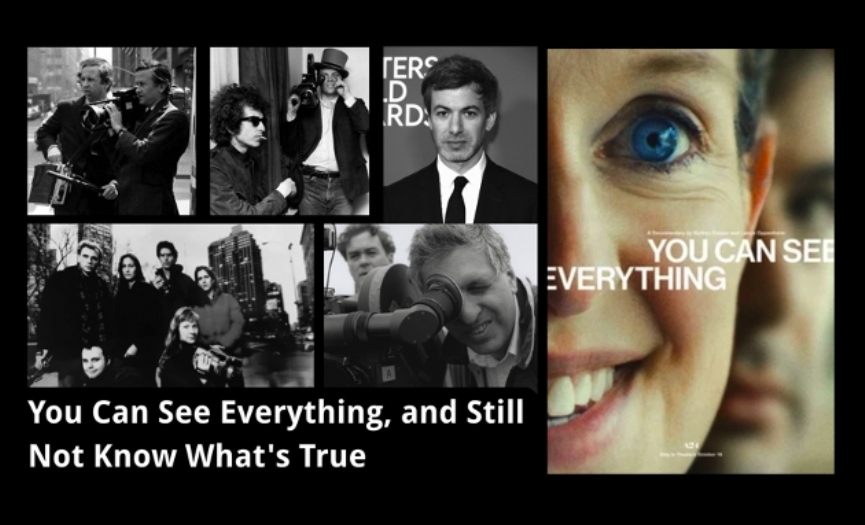
By Bessy ADUT
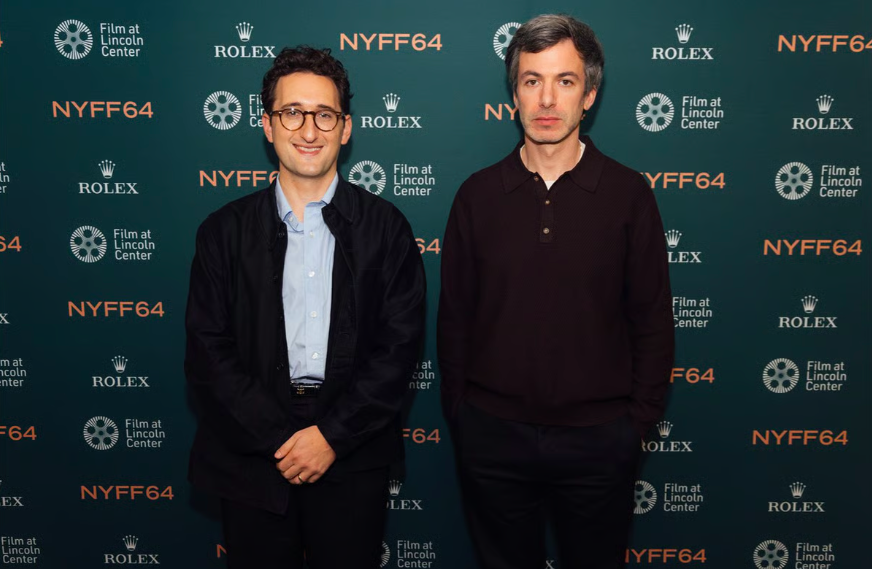
You Can See Everything (2026) is an American meta-documentary directed by Nathan Fielder, making his feature directorial debut, alongside Lance Oppenheim. The film follows Elizabeth Holmes, the founder of the now-defunct health technology company Theranos, and her partner, Billy Evans, who invite a film crew to document their lives in the weeks leading up to Holmes beginning her federal prison sentence for defrauding investors. The film premiered as a secret screening at the 53rd Telluride Film Festival on September 6, 2026, before receiving a theatrical release through A24 on October 16.
Between Documentary and Fiction
Although widely described as a meta-documentary, I found myself questioning whether You Can See Everything was entirely a documentary in the traditional sense. It felt closer to a docu-fiction, an intriguing blend of reality and constructed storytelling that deliberately blurs the boundaries between the two.
Interestingly, this was one of the aspects I enjoyed most. Having been interested in exploring a similar hybrid approach for my own Searching for Goodness film adaptation, I was excited to see how far filmmakers could push these boundaries. I have even been considering calling my own approach a “Peace Docu-Fiction.”
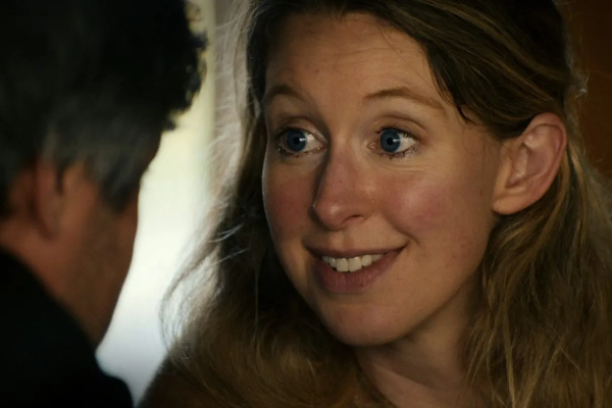
The film is certainly interesting. You see everything, and somehow, you are still not entirely sure what is true and what isn’t. Elizabeth Holmes comes across as either genuinely innocent or exceptionally convincing at playing innocent. I bought it. However, there were moments when my suspicions kicked in.
When the Truth Becomes Questionable
SPOILER ALERT: The following sections discuss specific scenes, revelations, and the film’s ending.
The first was when Elizabeth claimed she had never lied. Come on. Everybody lies. Whoever says they have never lied is probably lying about that, too. The second was Billy’s assertion that they never argue. I didn’t buy that either. These seemingly small statements made me question how much of their relationship and their respective accounts we were actually being shown.
Another detail I found particularly suspicious was the story about how Elizabeth and Billy first met. Elizabeth was reportedly wearing enormous glasses because a dog had bitten her face. I simply didn’t believe that explanation. I found myself wondering whether someone had actually punched her in the face. Was it Billy? Someone else? Had she been threatened, perhaps even involving her children, and forced to take the blame for something that had happened to her?
If I were investigating this story, I would certainly pursue that lead. We never saw this dog, nor did the subject seem to come up again. The explanation was left hanging, and I couldn’t help questioning it. Sometimes what a documentary doesn’t investigate becomes just as interesting as what it chooses to show.
A Woman Caught in Someone Else’s Narrative?
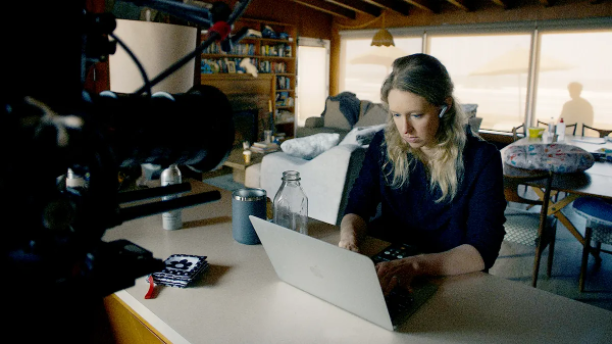
I also became increasingly interested in the possibility that Elizabeth was far more vulnerable and trusting than she appeared. The revelations about Billy managing her Twitter account without her knowledge and putting her image on billboards were particularly strange. How much of her public identity was actually under her control? Was she aware of everything happening behind her back?
I started wondering whether, whatever went wrong in their lives, Elizabeth had ultimately been thrown under the bus by people she trusted.
I also developed an uncomfortable feeling that Elizabeth might have been emotionally and psychologically mistreated by her partner. This is not something I can establish from watching a film, but it was an underlying impression I couldn’t shake. Perhaps she had accepted or tolerated more than she otherwise would have because Billy was ultimately going to be the person caring for their children, maintaining their relationship with her, and bringing them to visit her in prison.
I wondered whether her circumstances had left her feeling that she had little choice but to trust him, even when things seemed questionable.
I recognize that some of this interpretation may come from my own experiences and even my own trauma response. Nevertheless, I believe no one, woman or man, should place such blind trust in a partner that they surrender their independence, their judgment, or their awareness of what is happening around them.
I also felt that Elizabeth looked at the journalist with a certain hope, almost as if she believed he might somehow save her. But he couldn’t.
What made me saddest throughout the film was the children. They were the most innocent people in this entire situation, and the prospect of their separation from their mother was heartbreaking.
A Three-Hour Investigation: What Actually Happened?
For anyone who finds the film’s nearly three-hour narrative difficult to follow, the story takes several unexpected turns.
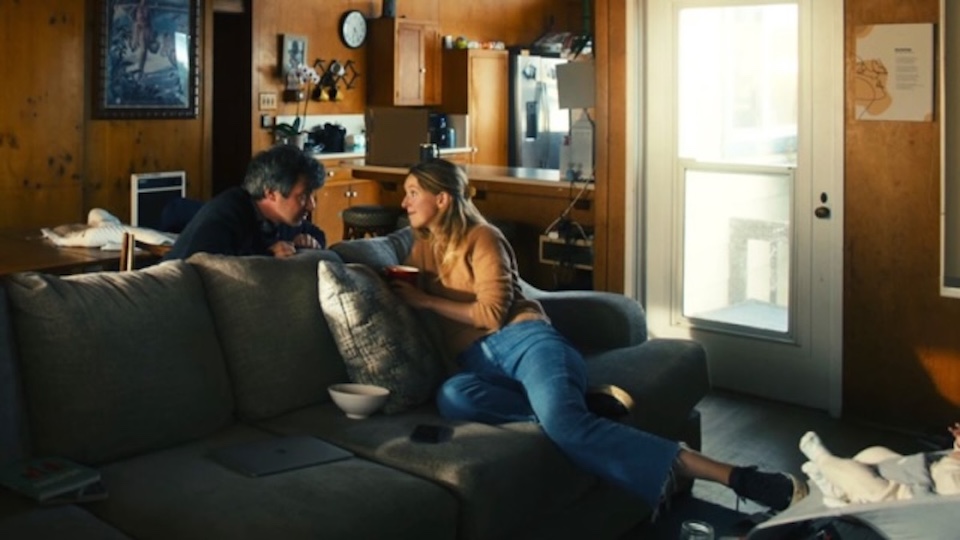
It begins in 2023, just 34 days before Elizabeth is scheduled to report to prison to serve her sentence for defrauding investors through Theranos. Elizabeth and Billy invite Nathan Fielder and Lance Oppenheim to document their lives at a rented beach house in Del Mar, California.
From the beginning, Fielder seems unconvinced by the couple’s explanations. When he questions Elizabeth about Theranos’s defective blood-testing technology and her claims about its capabilities, she denies intentionally misleading anyone, suggesting that her statements were misunderstood. The couple even attempts to pitch a new version of the device to prospective investors.
In one particularly unusual scene, Fielder shows them the famous Abbott and Costello comedy routine “Who’s on First?” to illustrate his frustration with communicating with Elizabeth. She initially says she finds it funny but then claims she doesn’t understand the joke when questioned further. Billy explains that Elizabeth simply thinks differently.
Fielder also shows the couple The Dropout, the television miniseries starring Amanda Seyfried as Elizabeth. Elizabeth becomes visibly distressed and asks to stop watching. Shortly before entering prison, she has her body scanned in 3D, expressing concern about how her likeness might be used in the future. She eventually reports to Federal Prison Camp Bryan in Texas, while Billy and their two children relocate to be closer to her.
The story then jumps forward two years. Filming resumes as Fielder follows Billy’s development of a new company, Haemanthus. This is where the dynamics become increasingly uncomfortable. Billy appears controlling, refusing to help Fielder communicate with Elizabeth in prison, licensing her image for billboards and an AI-generated model, and abruptly ending Fielder’s interview with a company engineer who suggests Elizabeth may have lied in the past.
As Fielder becomes increasingly suspicious, he brings Amanda Seyfried back into the project, asking her to reprise her role as Elizabeth in dramatized reenactments of events that the filmmakers could not capture on camera.
One particularly revealing reenactment concerns a meeting early in the production, when Billy allegedly requested a share of the documentary’s profits while Elizabeth was in another room. The filmmakers eventually agreed to a profit-sharing arrangement with him. Later, however, Elizabeth mentioned that she would receive no money from the documentary, raising questions about whether she knew about the agreement.
Fielder and Seyfried begin investigating further, uncovering more examples of Billy controlling Elizabeth’s public image, including impersonating her on X and posting things she would supposedly never say herself.
When they confront Billy at his home, he explains that he has power of attorney over Elizabeth and claims that many of his social media posts are based on emails she sends him from prison. He also expresses concerns about being followed and reveals that he carries a gun.
Eventually, frustrated by Billy’s interference, Fielder visits Elizabeth in prison. He later reenacts their meeting with Seyfried. According to Fielder, Elizabeth complained that Seyfried’s portrayal of her in The Dropout had caused her to be bullied by other inmates. Seyfried is surprised but defends her performance and the creative liberties taken by the series.
Elizabeth maintains that she approves of Billy’s activities while she is incarcerated, although she remains vague about how much she knows about his financial decisions. She admits that she prefers leaving those matters to him, particularly given the hundreds of millions of dollars she owes in restitution.
The film also captures an emotional reunion between Elizabeth and Billy during one of his prison visits with their children. Fielder interprets their tearful embrace as genuine affection, leaving the audience with yet another complicated question: Whatever else may be happening between them, is there still love?
In one of the film’s final twists, Amanda Seyfried questions whether Fielder himself has become too sympathetic toward Elizabeth, potentially compromising his objectivity as a filmmaker and investigator.
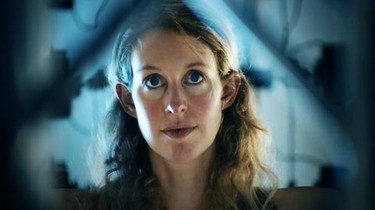
Amanda Seyfried: Playing a Character Who Is Still Alive
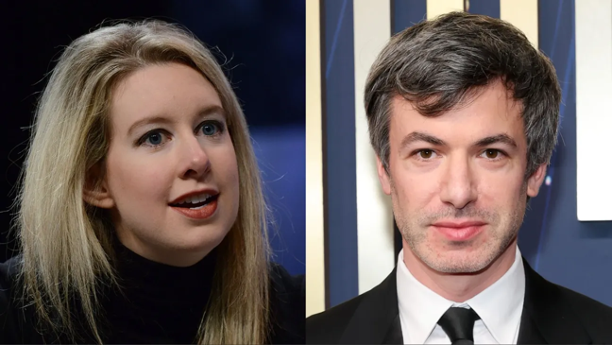
I cannot think of a better actress to portray Elizabeth Holmes than Amanda Seyfried. With her big eyes and blonde hair, she is an inspired casting choice. Seyfried plays Elizabeth remarkably naturally, capturing the mannerisms and peculiarities that make the character so recognizable.
But there is another interesting dimension to her participation. Seyfried is not simply an actress recreating someone else’s life; she is also a person with her own opinions, experiences, and boundaries.
When Elizabeth reportedly complains that Seyfried’s portrayal in The Dropout resulted in bullying from fellow inmates, Seyfried is understandably taken aback. She defends her performance and the dramatic liberties taken by the series.
I found this particularly interesting because Elizabeth seems to struggle with the distinction between herself and the character portrayed on screen. Yet Seyfried is an actress, not a spokesperson for Elizabeth Holmes. She is entitled to her own interpretation, her own opinions, and her own artistic choices.
The situation raises an interesting question about the responsibilities of actors portraying real people, especially when those people are still alive and able to respond to their portrayals.
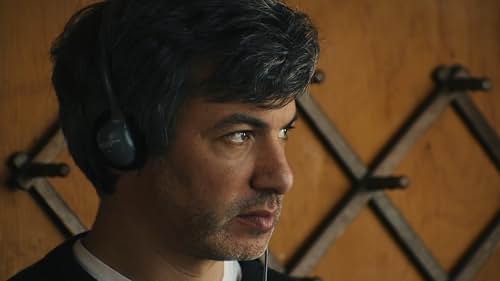
When the Filmmaker Becomes the Detective
I genuinely enjoyed watching Nathan Fielder take on the role of a detective within his own documentary. His presence and investigative approach added another dimension to the film. Rather than simply observing events, he becomes part of the unfolding story, questioning the people involved and following the inconsistencies.
It makes the audience participate in the investigation, too. You start looking for clues, questioning explanations, and wondering what might have happened outside the frame.
This is where the film becomes particularly fascinating. The filmmaker is no longer simply documenting reality; he is actively interacting with it, testing it, reconstructing it, and sometimes becoming part of the very story he is trying to understand.
The Ethical Question Behind the Camera
However, my biggest disappointment with the film came from an ethical decision involving the filmmakers and Billy.
Billy had negotiated a share of the film’s backend profits in exchange for allowing the production crew into their home, giving them extraordinary access to the family’s private lives, even allowing them to live there and document their final days together before Elizabeth went to prison.
When the director discovered that Elizabeth was unaware of this financial arrangement, he went all the way to prison to persuade Billy to relinquish his share of the profits.
The gesture was seemingly presented as an ethical intervention. Yet, I found the whole situation rather uncomfortable. In fact, it felt greedy to me, despite being wrapped in an ethical mask.
These people had children and were already dealing with enormous financial difficulties and debt. Why couldn’t some of that money have gone toward the children? Why was relinquishing the financial benefit automatically considered the morally superior decision? I would have preferred to see that money go to the family, particularly the children, who were already facing so much uncertainty.
I didn’t like that decision, and I wish the filmmakers had considered the children’s future before making what appeared to be an ethical statement.
The Final Word: Who Really Benefits?
The film concludes with on-screen disclosures revealing that Billy relinquished his profit-sharing agreement before the documentary’s release. It also addresses a disputed statement attributed to Elizabeth by The New York Times journalist Amy Chozick, concerning the idea that Amanda Seyfried was portraying a character Elizabeth herself had created. Chozick stands by the remark, while Elizabeth and Billy dispute it.
And here is where I found the ending particularly strange.
After nearly three hours of examining manipulation, dishonesty, financial exploitation, personal responsibility, and the ethics of documentary filmmaking, the film returns to the question of profits as one of its final statements.
I understand why the filmmakers wanted to disclose the financial arrangement and clarify that Billy ultimately gave up his share. Transparency matters, particularly when a documentary is questioning the motives and honesty of its subjects.
But I couldn’t help feeling that the emphasis on the profit-sharing agreement became somewhat self-congratulatory. It felt as though the filmmakers wanted the audience to leave with the impression that an ethical issue had been resolved simply because Billy relinquished his financial claim.
I still disagree with that decision. Why couldn’t the money have benefited the children? Given the family’s financial circumstances, wouldn’t that have been a more meaningful outcome?
There is something ironic about spending three hours questioning the morality of other people’s decisions, only to end with a financial disclosure that left me questioning the filmmakers’ own sense of priorities. After all, these children are the ones who will have to live with the consequences long after the cameras have stopped rolling.
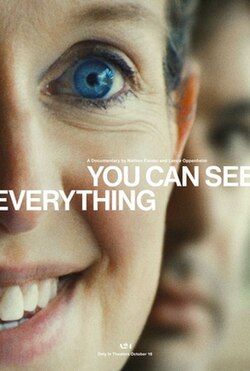
Seeing Everything Doesn’t Mean Knowing Everything
Ultimately, You Can See Everything left me with mixed feelings, but in a good film, sometimes being unsettled is precisely the point. I liked it, even though several of its ethical choices and unanswered questions bothered me. It is an unusual cinematic experience that challenges the audience’s understanding of truth, manipulation, performance, and the responsibilities of documentary filmmaking.
I also wouldn’t be surprised to see this film among the Academy Award nominees. It is certainly one of the more intriguing cinematic experiments of the year.
Perhaps the most interesting question it leaves behind is this: When a camera is allowed to see everything, does that mean we are actually seeing the truth?